Laying hens have no sweat glands and are prone to heat stress: five key points for prevention and control in summer
Heat stress in laying hens refers to a sharp rise in the bird's internal body temperature and subsequent functional disorder when the temperature exceeds the upper limit of the comfort zone. When summer arrives, because laying hens are kept at high stocking density and chickens have no sweat glands and a relatively high core body temperature, if the ambient temperature and humidity are too high, drinking water is insufficient, and especially if ventilation is poor, the birds have difficulty dissipating heat and are prone to heat stress. The signs of heat stress in laying hens include: listlessness, elevated body temperature, stretching the neck and breathing with the beak open, reduced feed intake, and an increase in soft-shelled and broken-shelled eggs, resulting in major economic losses. To prevent heat stress in laying hens, the following points should be observed:
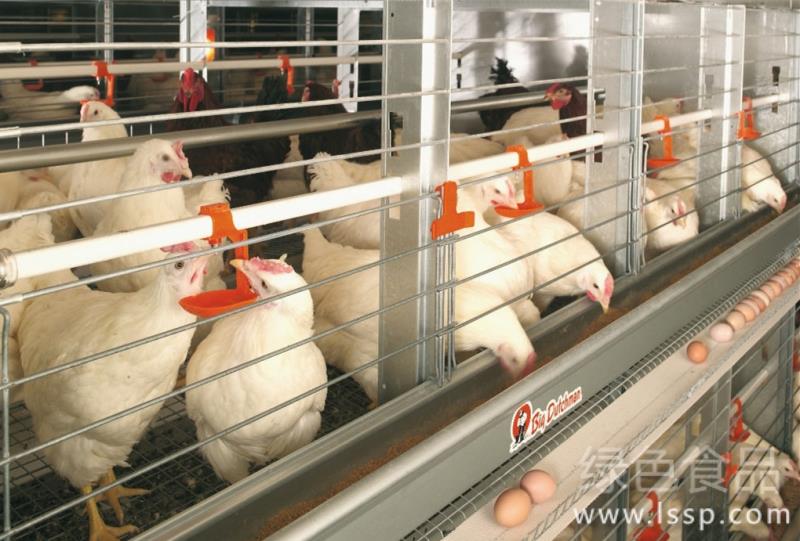
Laying hens
1. Reduce stocking density: laying hens naturally dissipate heat evenly into the environment, and flocks kept at lower density help reduce this heat burden, so in summer the flock density should be lowered to reduce heat stress.
2. Anti-stress medication: during high temperatures, add 100-150 mg of vitamin C per kilogram of feed; add 0.1%-0.2% baking soda to the drinking water, or add electrolytic multivitamins or zinc bacitracin, etc., all of which have good effects on helping laying hens resist heat stress.
3. The drinking water supplied to laying hens must be adequate and clean, and the water temperature should be as low as possible.
4. Strengthen ventilation and air flow rate. Moving air can carry away the thin layer of hot air near the laying hens, allowing the birds' heat to dissipate quickly. Fans or ceiling fans must be installed in the poultry house so that the air movement inside the house is as ideal as possible. For this reason, all ventilation equipment should be kept clean and in working condition. Take advantage of the slightly cooler nighttime hours to ventilate continuously, keeping the laying hens cool, which helps compensate for and stimulate the birds' feed intake the next day.
5. Strengthen feeding management: in summer, pay attention to hygiene, disinfection and disease prevention. Work such as vaccination and moving laying hen flocks should also be concentrated in the morning or evening when the air is relatively cool, to reduce additional stress from vaccination, flock transfer and similar procedures.