-
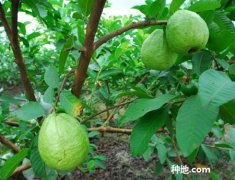
Guava Cultivation Techniques and Planting Time Explained in Detail
Organic Guava Cultivation: Selection and Maintenance of Environmental Conditions. Guava is cultivated over a considerable area in central and southern Taiwan, China, and is one of the important tropical fruit trees. Organic guava cultivation first requires good environmental conditions; the selected orchard must not have air pollution, water
-
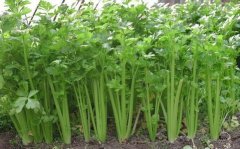
Celery Planting Methods and Cultivation Techniques Explained in Detail
Organic Celery Cultivation Methods Varieties Celery has slender, hollow leaf stalks and a strong fragrance, and can be used for stir-frying, boiling and as a seasoning. Varieties can be divided into local types: Tianwei variety (green leaves, white stalks), green tube, summer celery; and Western types (divided into green and yellow). The Tianwei variety has light green leaf stalks, few fibers, many branches, excellent quality, a strong fragrance and is not easily subject to rot.
-

How to Choose a Half-Feed Combine Harvester? Principles, Advantages, and Key Points for Use and Maintenance Explained
Half-feed combine harvesters have a high threshing rate, cause little breakage, and keep the straw intact, making them suitable for rice harvesting. This article introduces their working principles, the differences from full-feed models, and key points for purchase, trial harvesting, and daily maintenance, helping growers choose and use their harvesters well.
-

Key Points and Operation Methods of Cucumber Seedling Grafting Technique Explained
Cucumber Seedling Grafting Technique
-
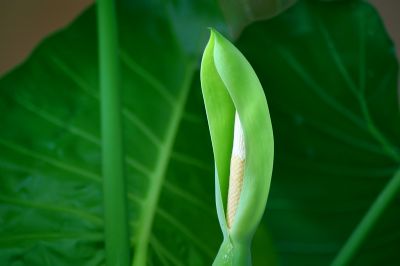
How to Grow Alocasia (Dumb Cane Elephant Ear)? 8 Common Cultivation Questions Explained
Alocasia (Alocasia macrorrhizos) is a common indoor plant, a perennial herbaceous plant. Its stem is fairly thick and sturdy, and it has a noticeable effect on removing dust. People in Guangdong call Alocasia "wolf's bane". The reason is that Alocasia is toxic, so if there are children at home and you want to grow Alocasia, you need to be especially careful.
-
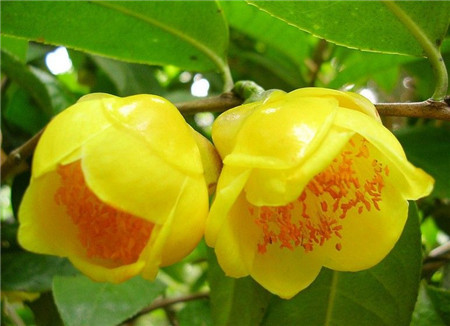
What are the cultivation methods for camellias? Explained in one article
Camellia is a relatively common flower in daily life. The cultivation methods of camellia are divided into ground planting and pot planting. Among the cultivation methods of camellia, pot planting is further divided into garden cultivation and nursery cultivation. Among the cultivation methods of camellia, ground planting is also divided into garden cultivation and nursery cultivation.
-
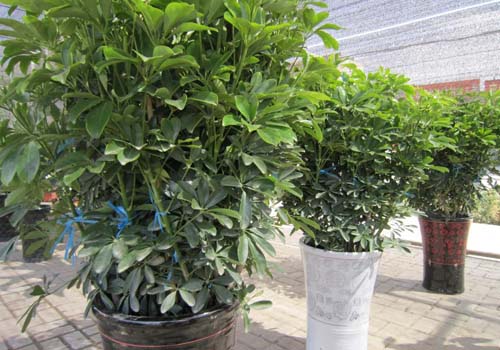
How to grow the Peace Tree? Cultivation methods and precautions explained in one go
The Peace Tree is a foliage plant loved by many flower enthusiasts in recent years. It is an evergreen small tree of the genus Cinnamomum in the Lauraceae family. Its real name is Lanyu cinnamon (Cinnamomum kotoense), and it was originally mostly produced on Lanyu Island. Its other aliases include Hongtouyu cinnamon, Hongtoushan cinnamon, Fanglanshan cinnamon, large-leaf cinnamon, Taiwan cinnamon, etc. After many flower enthusiasts get one,
-
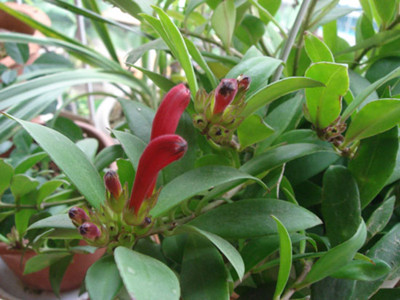
Lipstick Plant Care Guide: Growing Methods and Precautions Explained
The lipstick plant is a perennial evergreen trailing succulent herbaceous plant. Because its flowers closely resemble red lips, it is called the lipstick plant. Although it looks similar to spider plant, the lipstick plant is actually a member of the Aizoaceae family. This article introduces the growing methods and precautions for the lipstick plant.
-

Plum Blossom Cultivation Key Points and Care Techniques Explained
1. Planting In the south it can be planted in the ground; in the Yellow River basin, cold-hardy varieties can also be planted in the ground, but in cold northern regions they should be grown in pots and overwintered indoors. Planting can be done anytime from after leaf fall to before spring bud break. To improve the survival rate, avoid damaging the root system and transplant with a soil ball. For ground planting, choose a spot sheltered from the wind and facing the sun
-
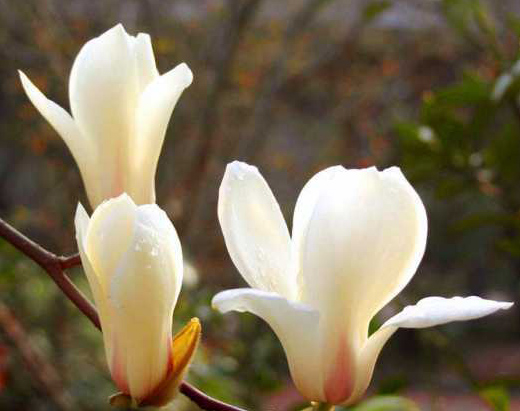
What are the key points of magnolia cultivation and management? Explained clearly in one article
Magnolia is also known as white magnolia. It is a deciduous tree. The flowers are large, pure white, and delicately fragrant. The calyx and petals are difficult to distinguish, 9 in total, and they open before the leaves. Other commonly cultivated plants of the same genus include purple magnolia, Zhusha magnolia, night-fragrant magnolia, and southern magnolia. ① The planting site for magnolia should be chosen to be wind-sheltered, sunny, with high and dry terrain
条件筛选