How to grow the Peace Tree? Cultivation methods and precautions explained in one go
The Peace Tree is a foliage plant loved by many flower enthusiasts in recent years. It is an evergreen small tree of the genus Cinnamomum in the Lauraceae family. Its real name is Lanyu cinnamon (Cinnamomum kotoense), and it was originally mostly produced on Lanyu Island. Its other aliases include Hongtouyu cinnamon, Hongtoushan cinnamon, Fanglanshan cinnamon, large-leaf cinnamon, Taiwan cinnamon, etc. After many flower enthusiasts get one, they do not know the cultivation methods of the Peace Tree. Here we introduce how to cultivate the Peace Tree through various aspects such as temperature, humidity, and watering for Peace Tree cultivation.
1. Temperature
The suitable growth temperature for the Peace Tree is 20°C to 30°C. Small trees are not tolerant of low temperatures. If frost lasts more than 5 days, plants maintained or cultivated in the open field are prone to bark frost cracking, withered branches and leaves, and even the whole plant freezing to death. Whether it is a small number of plants in household pots or large-scale commercial production cultivation, in winter the greenhouse temperature should be maintained at no lower than 5°C so that the leaves can always remain beautifully green. Larger plants can endure short periods of low temperatures around 0°C when there is no cold wind blowing in the greenhouse. For potted plants in the Yangtze River basin, it is advisable to move them into the greenhouse before the arrival of Frost's Descent, and move them out after Qingming the following year. Take care to prevent cold damage that may be caused by late frost or a cold spell in late spring. In midsummer, after the temperature exceeds 32°C, shading with a shed and spraying water on the leaves should be provided to increase humidity and lower temperature, so that they can maintain vigorous growth.
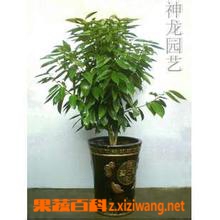
1. The Peace Tree is a high-temperature plant, and its living environment should be around 25°C. Small trees are not cold-tolerant, so it is best to choose spring when first starting to grow it.
2. In winter, the Peace Tree should be moved back indoors for cultivation, and in summer when the temperature is too high, it needs watering.
3. The Peace Tree needs fairly good sunlight, and it is also relatively shade-tolerant. Its sunlight requirements vary as the sapling grows. When it is a seedling, it can grow in a shady place, and after about 4 years of growth, once it has grown larger, it needs sufficient sunlight, which allows it to grow better.4. After the beginning of autumn, the amount of watering should be controlled. If there is standing water in the potting soil, it can easily cause the lower leaves of the sapling to turn yellow and fall off, and in severe cases it can cause root rot and death of the plant. So pay attention to this point.
Cultivation methods for the Peace Tree
Temperature: Its suitable growth temperature is 20°C to 30°C. Small trees are not tolerant of low temperatures. If frost lasts more than 5 days, plants maintained or cultivated in the open field are prone to bark frost cracking, withered branches and leaves, and even the whole plant freezing to death. Whether it is a small number of plants in household pots or large-scale commercial production cultivation, in winter the greenhouse temperature should be maintained at no lower than 5°C so that the leaves can always remain beautifully green. Larger plants can endure short periods of low temperatures around 0°C when there is no cold wind blowing in the greenhouse.
Light: Lanyu cinnamon needs fairly good light, but it is also relatively shade-tolerant. Its light requirements change with age. Young trees are shade-tolerant. For 3-year-old to 5-year-old plants, under shaded conditions, plant height grows quickly. For 6-year-old to 10-year-old plants, relatively sufficient light is required.
Water: Lanyu cinnamon requires an environment with moist potting soil. For this reason, potted plants should always keep the potting soil moist, but there must be no standing water. The relative humidity of the environment is best kept above 80%. In the high-temperature season of summer or in autumn when the air is relatively dry, including during the period in winter when it is placed indoors, water should often be sprayed on the leaves and the surrounding environment to create a relatively humid local micro-environment for it and promote its robust growth.
Soil: For potted or bag-cultivated Lanyu cinnamon, it is advisable to use loose, breathable, well-drained, fertile acidic culture soil or leaf mold rich in organic matter. If the potting soil is compacted or the pH value is above 7.5, it will also cause the plant's leaves to turn yellow, seriously poor growth, and reduced sprouting ability, and will affect sprouting and renewal, and even shorten its cultivation lifespan.