Celery Planting Methods and Cultivation Techniques Explained in Detail
Organic Celery Cultivation Methods
Varieties
Celery has slender, hollow leaf stalks and a strong fragrance, and can be used for stir-frying, boiling and as a seasoning. Varieties can be divided into local types: Tianwei variety (green leaves, white stalks), green tube, summer celery; and Western types (divided into green and yellow). The Tianwei variety has light green leaf stalks, few fibers, many branches, excellent quality, a strong fragrance and is not easily subject to rot. Hainan green: summer celery, with dark green leaves, thick and plump stalks, crisp and fragrant quality, somewhat heat-tolerant and does not bolt.
Purchasing Seeds
Can be purchased in late July
Choosing a Site
It is more suited to slightly acidic soil, and sandy loam or loam containing plenty of humus, with good drainage being preferable.
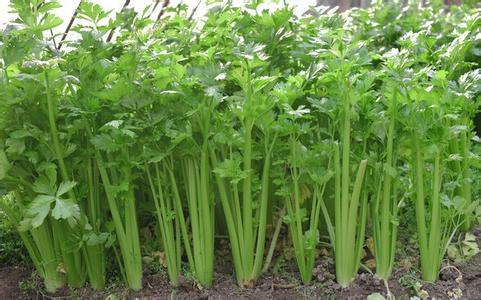
Preparing the Field
After preparing the land, apply base fertilizer in mid-July and mix it into the field; a spacing of 12*12cm can be used.
Sowing
Sow in mid to late August. Because the plants are small and require dense planting, the seeds can be sown directly in the field and then covered with a layer of soil.
Cultivating, Weeding, Topdressing
Cultivating and weeding should be carried out while the weeds are still small and have not yet spread, and topdressing should be applied afterward. Fully rotted compost can be used as topdressing and scattered on both sides of the plants. Because celery is a shallow-rooted crop, when cultivating and weeding do not turn the soil too much, so as to avoid damaging the roots and affecting their growth.
Harvesting
Celery can be harvested 30-50 days after transplanting. The tender stems and leaf stalks of celery have a distinctive fragrance and are rich in vitamin A and vitamin C, making it a good food for weight loss and lowering blood pressure.
Pests and Diseases
Black heart disease is relatively likely to occur due to calcium deficiency, or cracked stem disease due to boron deficiency. As for pests, aphids and cutworms occur, so attention should be paid to their prevention and control.