-

-
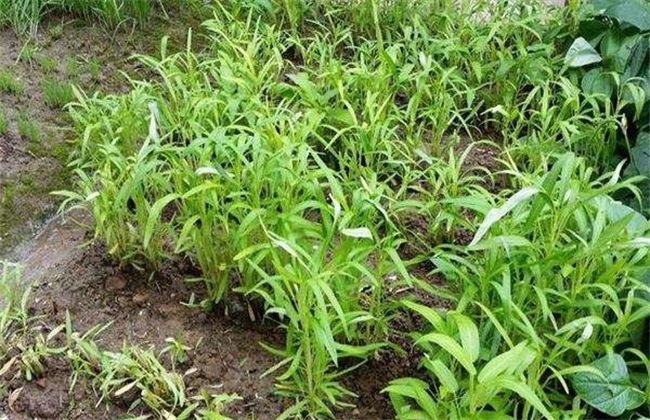
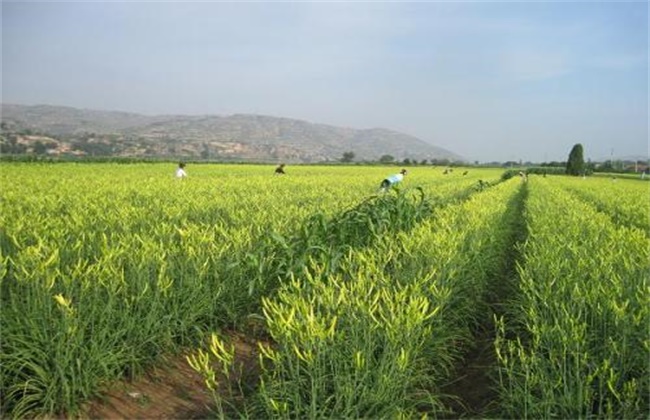
Water Spinach Cultivation Techniques Explained: The Full Process from Sowing to Harvest
Water Spinach Cultivation Techniques
-
Why Do Orchids Get Yellow Leaves and Burnt Tips? Causes and Prevention Measures Explained
Causes of Yellow Leaves and Burnt Tips in Orchids and Prevention Measures
-
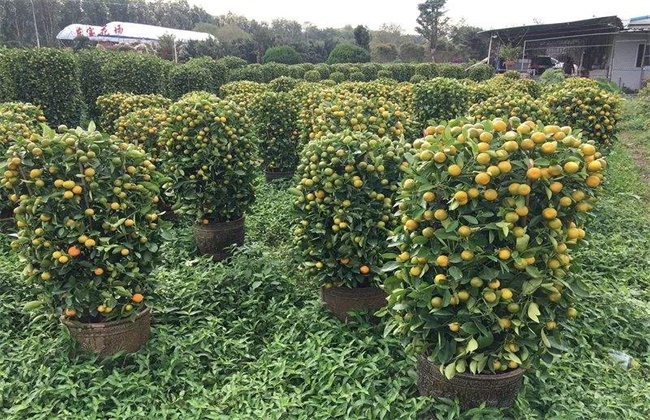
What to Do About Premature Decline in Calamondin? Causes and Prevention Measures Explained
Causes of Premature Decline in Calamondin and Prevention Measures
-
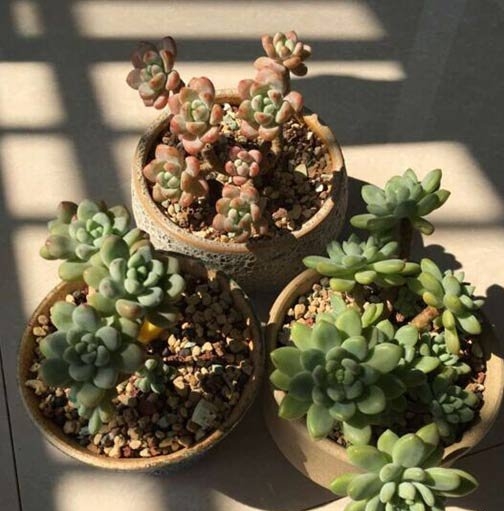
Differences between Laura and Pachyveria 'Clavifolia' and 'Rochii', explained with multiple comparison photos
Laura, Pachyveria 'Clavifolia' and 'Rochii' - some people say these three are one and the same succulent, while others can earnestly list out exactly what makes them different and tell them apart with perfect clarity. So what exactly are the differences between Laura, Pachyveria 'Clavifolia' and 'Rochii'?
-
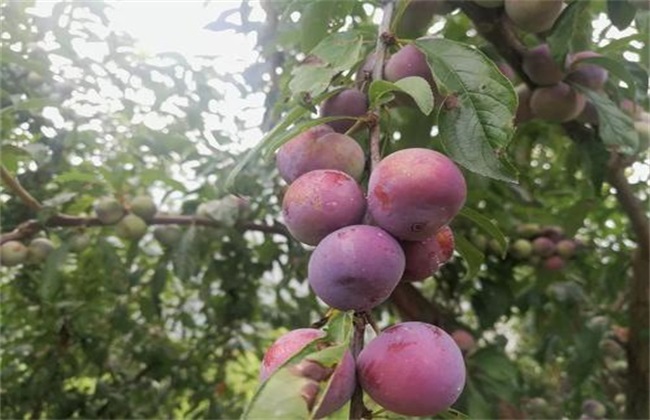
How to manage plum trees after harvest? Key technical points explained
Management points after plum harvest
-
-
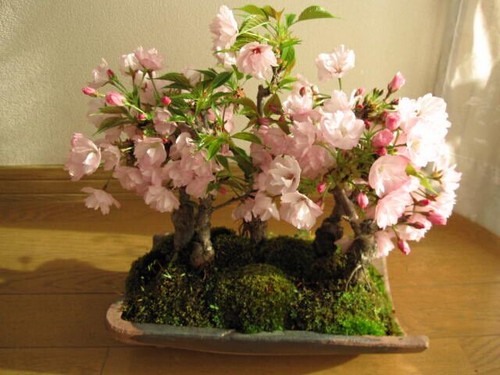
The Symbolism and Flower Language of Cherry Blossoms Explained
The life of a cherry blossom is very short. There is a folk saying: "cherry blossoms last 7 days," meaning that a single cherry blossom takes about 7 days from opening to withering, and the entire tree takes about 16 days from blooming to fully fading, creating the characteristic of blooming and falling at the same time. It is precisely this trait that gives cherry blossoms such great charm.
-
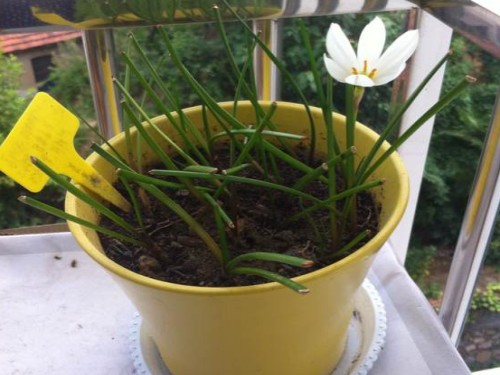
What are the differences between Zephyranthes candida and Zephyranthes carinata? Key points for identifying the plants explained
Zephyranthes candida and Zephyranthes carinata look very similar. In daily life, when we see Zephyranthes candida and Zephyranthes carinata, if we do not look carefully, everyone will think they are the same plant. People may also think that Zephyranthes candida is another name for Zephyranthes carinata, but that is not the case. Today we will introduce Zephyranthes candida and Zephyranthes carinata.
-
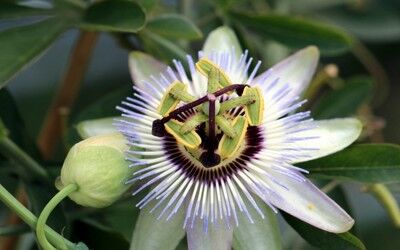
Morphological Characteristics, Growing Environment and Flower Language of the Clock Flower Explained
The flower language of plants lets you understand the morphological characteristics of the clock flower and its growing environment. The clock flower is a member of the turnera family, an evergreen vine that grows in the tropical rainforests of South America; its shape closely resembles the face of a clock, which is why it is called the "clock
条件筛选