Water Spinach Cultivation Techniques Explained: The Full Process from Sowing to Harvest
Water spinach, also known as ong choy, was originally a vegetable native to East Asia, and now it is widely cultivated in our country. It is mainly concentrated in the south, and cultivation in the north is uncommon. Water spinach has a very large market demand in our country, so the cultivation area is also continuously expanding. So how exactly should water spinach be grown? Below, the editor brings you the cultivation techniques for water spinach. Let's take a look!
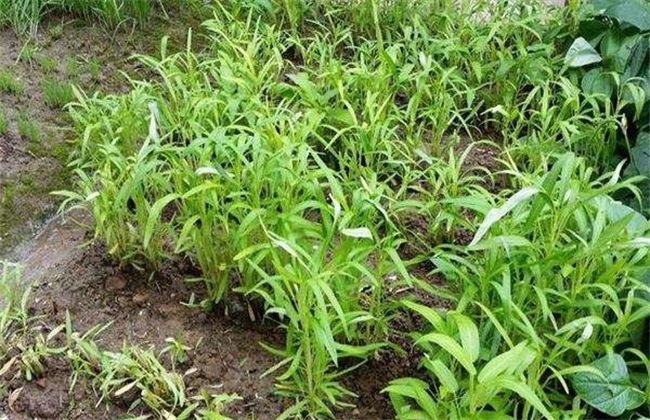
1. Seed treatment
Water spinach seeds need to be soaked before planting, because water spinach seeds are relatively hard. If sown without treatment, the seeds will have difficulty absorbing water, the germination rate will be extremely low, and they may even fail to germinate. Moreover, if low temperatures and the rainy season occur, the seeds are also prone to rotting. Therefore, before sowing, we should soak the seeds for one day, and after sowing, cover them with a layer of fine soil to promote seed germination and root growth. Then cover appropriately for sowing, and after about a week, seedlings can emerge.
2. Sowing and raising seedlings
There are two methods for growing water spinach: direct sowing and transplanting. Adjust the planting time according to the growing region. If planting in North China, the sowing time is generally gradually carried out around Qingming Festival. If cultivating under protected conditions, the planting time can be appropriately advanced. For direct sowing, hole sowing is mainly used, with the spacing between sowing holes controlled at about 18 cm, about 3 seeds sown per hole, and the seed rate kept at 10 kg/mu. When the seedlings grow to about 3 cm, carry out thinning, then control the density and transplant at the right time.
3. Fertilizer and water management
After water spinach is transplanted and survives, cultivation and weeding should be done well. This can not only increase soil temperature, but also facilitate the soil's absorption of fertilizer. About 30 days after transplanting, summer begins, and at this time the temperature gradually rises. The growth rate of water spinach will also accelerate, so its demand for water and fertilizer is relatively large, and therefore the amount of fertilization and watering should be increased. The topdressing fertilizer should mainly be nitrogen fertilizer, and the concentration should be well controlled to avoid fertilizer burn to the seedlings. The soil should be kept moist, especially in high-temperature seasons, and watering should be done well to ensure the growth of stems and leaves.
4. Pest and disease control
Pest and disease control in water spinach cultivation is also very important. If control is improper, it will have a very large impact on the yield and quality of water spinach. Common pests and diseases of water spinach include anthracnose, cabbage caterpillar, and so on. We should focus on prevention and enhance the disease resistance of water spinach. Regularly disinfect the vegetable garden, do good work in cultivation and weeding, and control the amount of water and fertilizer well, so as to avoid excessive water and fertilizer actually affecting the growth of water spinach.
The above is a brief introduction to water spinach cultivation techniques. The cultivation techniques for water spinach are actually not difficult; the main thing is to pay attention to doing good work in water and fertilizer management, pest and disease control, and so on. That is all for today's introduction. This article is for reference only, and I hope it can help everyone!