The differences between plantains and bananas and how to care for them, explained clearly in one go
Plantains and bananas are both large perennial herbaceous plants of the genus Musa in the family Musaceae, and they are very common in the warm, humid regions of the south. They look similar and are closely related, so many people often cannot tell them apart. In fact, the two differ somewhat in fruit shape, taste and growth habits.
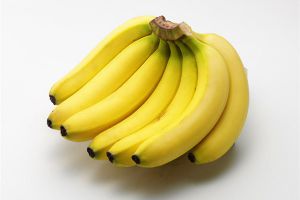
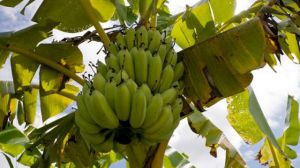
In terms of fruit, bananas are generally curved like a crescent moon, with relatively thin skins, and when ripe the flesh is soft, glutinous and sweet. Plantain fruits are relatively shorter and thicker, slightly tapered at both ends, with slightly thicker skins, and they taste sweet with a hint of sourness or have a milder flavor. In terms of the plant, plantain leaves are usually broader and larger, the growth is more robust, and cold tolerance is generally slightly stronger than that of bananas.
As for care, both prefer a warm, humid environment with plenty of sunlight, and are suitable for planting in deep, loose, fertile and well-drained soil. During the growing season, keep up the water supply and add nutrients appropriately, while avoiding long-term waterlogging to prevent root rot. When temperatures drop in winter, protect them from the cold in time; bananas in particular are afraid of freezing, and after being frozen their leaves easily turn yellow and dry up.
Besides the fruit being edible, banana peels and plantain peels can also be composted and used as flower fertilizer, supplying nutrients to the plants and flowers at home, which is a method commonly used by many gardening enthusiasts. In addition, plantain leaves are broad and graceful in form, so planting them in a courtyard also has a nice ornamental effect.
Related reading