What to Do About Premature Decline in Calamondin? Causes and Prevention Measures Explained
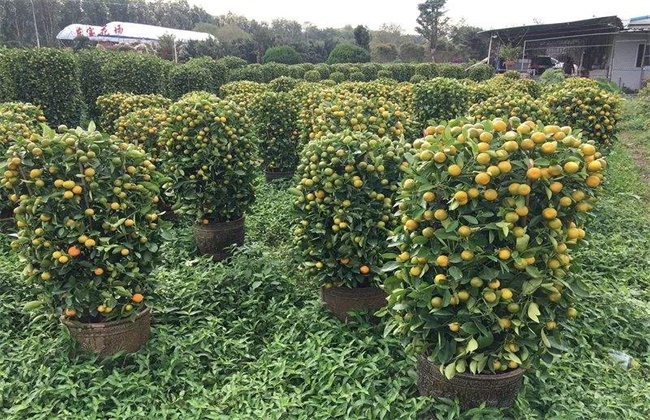
Calamondin is a subtropical evergreen fruit variety. During the Chinese New Year, placing a pair of oranges by the bedside or on the table carries the meaning of great fortune and good luck arriving, making it an essential fruit for festivals. Calamondin also has a relatively high yield, but it is very prone to premature decline. So what causes this premature decline? And how can it be prevented? Let's take a look together.
1. Substandard seedlings
Many farmers, in order to save a little money, rush to plant seedlings of unknown origin, knowing nothing about whether the fruit seedlings have been quarantined, or whether they are old, weak, or diseased seedlings. This is the first cause of premature decline.
Prevention measures: When buying seedlings, first understand the situation of the seedlings and whether they come from an epidemic area. Second, choose healthy new seedlings. If they are old, weak, or diseased seedlings, do not take them. For diseased seedlings, you can spray them with pesticide for control before planting.
2. Rushed planting and careless management
Some fruit growers rush to plant without proper planning and land preparation, and do not understand the soil deeply. Some choose sandy soil that drains water and leaches fertilizer, or soil that is too compacted, all of which can cause premature decline in calamondin later on.
Prevention measures: Do the preparatory work before planting, choose a good planting site, and after preparing the land and applying fertilizer, plant at a reasonable density. Generally, 90-100 plants per mu is appropriate. If the soil fertility is average, you can plant slightly less densely to ensure healthy growth.
3. High groundwater level
For farmers planting in paddy fields, because some paddy fields drain poorly, after a few years of planting, the root system grows and extends into the groundwater. The roots rot from being soaked in water for a long time, causing the leaves to turn yellow and the plant to decline prematurely. However, some farmers think it is caused by a lack of fertilizer and increase the amount and frequency of fertilization, only to find it is all in vain.
Prevention measures: Water management must be done well. Understand the growth characteristics of citrus and manage water differently as the seasons change. In orchards with a high groundwater level, drainage ditches must be dug well to drain water and reduce waterlogging in time. In mountain orchards, ring ditches should be opened well to prevent mountain floods from scouring the soil and causing soil erosion.
4. Phytotoxicity
Some farmers, in order to start weeding, use large amounts of herbicide year after year, causing phytotoxicity in calamondin and triggering premature decline.
Prevention measures: Apply more organic fertilizer and phosphorus and potassium fertilizer to improve the plant's stress resistance and disease resistance. Use herbicides as little as possible, and when using them, pay attention to the dose and concentration. Use biological control methods to prevent and control pests and diseases, and produce green fruit.
The above is an introduction to the causes of premature decline in calamondin and prevention measures. We hope it can help you. To learn more related knowledge, please follow us.