-
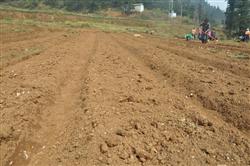
Isatis root planting methods and cultivation techniques explained in detail
How is Isatis root cultivated? Please provide the process. For the method of cultivating the medicinal herb Isatis root, you can refer to the following methods: Selection of Isatis root cultivation site: Isatis root is not suitable for planting in low-temperature waterlogged land, as it is prone to root rot after waterlogging. In order to reduce the occurrence of pests and diseases, it is advisable to ridge-cultivate with gramineous and leguminous plants. If the soil is fertile,...
-
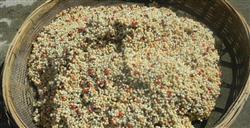
How to Propagate Paris polyphylla? Common Propagation Methods and Techniques Explained in Detail
How to propagate Paris polyphylla? What are the propagation methods for Paris polyphylla? Experienced readers are also asked to help introduce them. The propagation methods for Paris polyphylla generally include two: seed propagation and rhizome propagation. Zhongdiwang has specially compiled the two propagation methods for Paris polyphylla, listed in detail below for readers' reference. Paris polyphylla seed propagation method...
-
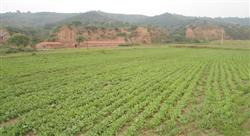
How do you manage skullcap (Scutellaria baicalensis) cultivation? Key technical points explained
How do you manage the cultivation of the medicinal herb skullcap (Scutellaria baicalensis) well? Does any netizen have advice to share? Zhongdiwang has compiled the management methods for the medicinal herb skullcap (Scutellaria baicalensis), listed below for netizens' reference. 1. Thinning and final thinning of skullcap (Scutellaria baicalensis): When the skullcap (Scutellaria baicalensis) seedlings are 5-7 cm tall, carry out thinning, and at the same time stagger the final thinning at a plant spacing of 6-8 cm, leaving...
-

How to manage mint cultivation? Key technical points and methods explained
How to manage mint well? Please explain in detail. 1. Mint management methods. 1. Mint seedling preparation: After transplanting in early April, when the seedlings are 10 cm tall, fill in gaps, keeping plant spacing at about 15 cm, that is, leaving 20,000 to 30,000 plants per mu. 2. Cultivation and weeding: Carry out cultivation and weeding 3 times between March and April. Because mint...
-
What pests and diseases affect Pinellia ternata? Key points on cultivation techniques explained
What pests and diseases affect Pinellia ternata? How do you prevent and control pests and diseases in Pinellia ternata? Please, readers, help explain. The pests and diseases of Pinellia ternata include root rot, viral disease and the red hawk moth; for detailed control methods, refer to the following list: 1. Harm and control methods of root rot in Pinellia ternata: root rot occurs easily in the hot season when water accumulates in the field...
-
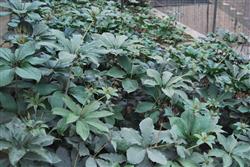
Paris polyphylla cultivation techniques shared, with practical methods explained in detail
Paris polyphylla is a perennial herbaceous plant with a long growth cycle; it takes 8 to 10 years from sowing to harvest. It is one of the main ingredients of state-protected traditional Chinese medicines such as "Yunnan Baiyao" and "Gongxuening". In recent years, with continuously increasing demand, the harvesting rate has far exceeded the rate of natural growth, causing Paris polyphylla resources to become sc...
-
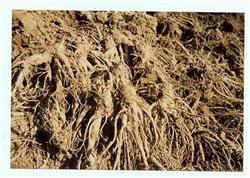
How to Grow Angelica sinensis for High Yield? Key Technical Points Explained
How to grow Angelica sinensis for high yield? Methods explained. Angelica sinensis, also known as Qin Gui, Minshan Gui, Xi Danggui, and Yun Gui, contains various volatile oils, with main components including n-butylenyl phthalide, ligustilide, carvacrol, angelica aromatic ketone, palmitic acid, sesquiterpene A, B, etc. The root is used as medicine, with effects of regulating menstruation and relieving pain, moistening dryness and lubricating the intestines, ...
-
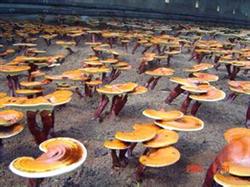
How to cultivate reishi mushroom for high yield? Key techniques explained
How can reishi mushroom be cultivated for high yield? Please explain in detail. Reishi mushroom is also known as reishi herb and immortal herb. It is a precious large medicinal fungus, with its fruiting bodies and spores used for medicinal purposes. It has the effects of nourishing and strengthening the body and prolonging life. Clinically, it can treat neurasthenia, chronic bronchitis, stomach disease, liver disease, high...
-
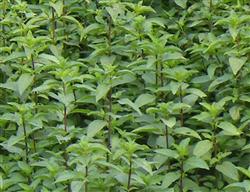
How to manage mint before and after emergence? Key technical points explained in detail
Based on many years of large-scale mint cultivation practice, effectively strengthening field management before and after the emergence of first-cut mint is an effective measure to achieve high yield, high quality and high efficiency. It can increase mint crude oil by l-1.5 kg per mu, with a net profit increase of about 100 yuan. 1. Clear ditches and improve soil moisture conditions to reduce field humidity. Mint is both afraid of drought and intolerant of waterlogging, and soil...
-
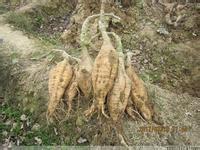
Characteristics and Artificial Cultivation Techniques of Wild Kudzu Root Explained
I. Characteristics. Kudzu root has strong adaptability, does not demand strict climate or geographical conditions, and is easy to cultivate. It is suited to a warm and humid growing environment. Kudzu root likes warmth and tolerates heat; when the average daily temperature reaches about 12°C, it begins to sprout; the suitable average daily temperature for growth is 20-33°C; 25-30°C is suitable for tuberous root formation, and 15-20°C is suitable for tuberous root...
条件筛选