-
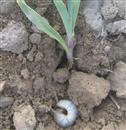
What are soil-dwelling pests? Common species explained clearly in one go
What are soil-dwelling pests? What do the damage symptoms look like? We ask knowledgeable readers to help explain. Soil-dwelling pests generally refer to pests that live in the soil for their whole life or for a certain stage of their life, mainly feeding on the underground parts of crops, seeds, seedlings or the main stem near the soil surface, causing affected crops to wilt and grow slowly...
-
How effective is paraquat as a herbicide? Explained clearly in one article
How effective is paraquat? How should paraquat be used for good results? At the request of readers, Zhongdi Network has compiled the characteristics and usage methods of the herbicide paraquat, listed below for readers' reference. Characteristics of paraquat: 1. Kills anything green on contact - weeds and crops alike are wiped out. 2. Fast weed-killing speed...
-
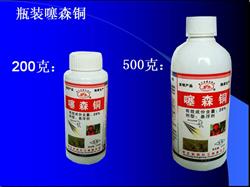
How should copper-based fungicides be used properly? Key points of application explained
How should copper-based fungicides be used properly? Please explain the application method. Copper-based fungicides, as one of the important fungicides, have the characteristics of being the earliest developed and applied, the longest used, the largest application area, the best sterilization effect, and the most uses. Copper-based fungicides can prevent and control both fungal diseases and...
-
What is the difference between glyphosate and glufosinate? Explained clearly in one article
What is the difference between glyphosate and glufosinate? Compared with glyphosate, glufosinate acts faster, and it can also control some weeds that have developed resistance to glyphosate. Glufosinate is a phosphinic acid non-selective contact herbicide and a glutamine synthetase inhibitor with partial systemic activity. After application...
-
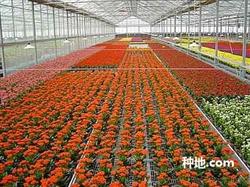
What are plant growth regulators? Explained clearly in one article
What growth regulators are commonly used on flowers? Please advise. Plant growth-regulating substances are divided into plant hormones produced internally by plants and chemically synthesized substances with hormone-like activity. As long as a trace amount of such a substance is present, it can promote or inhibit the growth and development of plants, but excessive use can also cause...
-
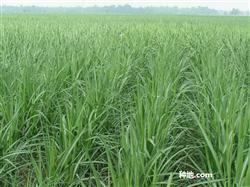
How to use herbicides scientifically? Key methods explained
How to use herbicides in sugarcane fields? I would like to ask about the chemical herbicide varieties commonly used in sugarcane fields: atrazine, simazine, oxadiazon, diuron, linuron, fluometuron, alachlor, haloxyfop, sugarcane amide, paraquat, glyphosate, etc. However, based on field observations and farmers' opinions, the safest and most efficient is the 55% sugarcane...
-

Are scale insects harmful to humans? Explained clearly in one article
Are scale insects harmful to humans?
-

-

Pesticide Classification and Common Knowledge Explained in Detail, These Facts You May Not Know
Pesticides refer to substances used to prevent, eliminate, or control diseases, insects, weeds and other harmful organisms that harm agriculture and forestry, as well as to purposefully regulate, control, and inf...
-
Pesticide Formulation Types Explained and Complete Comparison Table
I had some matters to deal with a while ago and could not update in time. Please forgive me, and thank you for your attention and support! Pesticide formulations - the vast majority of technical materials produced by pesticide factories cannot be directly...
条件筛选