How do you manage skullcap (Scutellaria baicalensis) cultivation? Key technical points explained
How do you manage the cultivation of the medicinal herb skullcap (Scutellaria baicalensis) well? Does any netizen have advice to share? Zhongdiwang has compiled the management methods for the medicinal herb skullcap (Scutellaria baicalensis), listed below for netizens' reference. 1. Thinning and final thinning of skullcap (Scutellaria baicalensis): When the skullcap (Scutellaria baicalensis) seedlings are 5-7 cm tall, carry out thinning, and at the same time stagger the final thinning at a plant spacing of 6-8 cm, leaving...
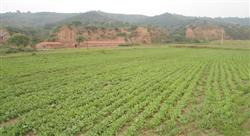 How do you manage the cultivation of the medicinal herb skullcap (Scutellaria baicalensis) well? Does any netizen have advice to share?
Zhongdiwang has compiled the management methods for the medicinal herb skullcap (Scutellaria baicalensis), listed below for netizens' reference.
1. Thinning and final thinning of skullcap (Scutellaria baicalensis):
When the skullcap (Scutellaria baicalensis) seedlings are 5-7 cm tall, carry out thinning, and at the same time stagger the final thinning at a plant spacing of 6-8 cm, leaving about 60 plants per sq m. Along with thinning and final thinning, you can transplant seedlings to fill gaps where plants are missing, transplanting with soil and watering after planting.
2. Weeding of skullcap (Scutellaria baicalensis):
Skullcap (Scutellaria baicalensis) seedlings grow slowly, so loosening the soil and weeding should be done frequently until the field rows close. In the first year, loosening the soil and weeding are usually needed 3-4 times. After the second year, each spring before the plants green up and emerge, harrow the soil to loosen it; after greening up, cultivate and weed 1-2 times as needed until the rows close.
3. Fertilization of skullcap (Scutellaria baicalensis):
Timely and appropriate application of nitrogen, phosphorus and potassium fertilizer has a significant effect on increasing skullcap (Scutellaria baicalensis) yield; applying nitrogen, phosphorus and potassium together gives the best overall effect. The amount of chemical fertilizer applied as topdressing should not be too large, nitrogen fertilizer should not be applied alone in excess, and when soil moisture is insufficient, topdressing should be accompanied by timely irrigation.
4. Water management for skullcap (Scutellaria baicalensis):
Before emergence and in the early seedling stage, skullcap (Scutellaria baicalensis) should be kept in moist soil. After final thinning, soil moisture content should not be too high; moderate drought helps to harden the seedlings and encourage deep rooting. Once skullcap (Scutellaria baicalensis) is mature, if there is severe drought or insufficient soil moisture at the time of topdressing, irrigate timely and appropriately. Skullcap (Scutellaria baicalensis) is afraid of waterlogging, so during the rainy season, loosen the soil and drain water promptly to prevent waterlogging, so as to reduce disease occurrence and avoid and prevent root rot and death.
5. Pruning of flower branches of skullcap (Scutellaria baicalensis):
For fields where seeds are not harvested, after skullcap (Scutellaria baicalensis) buds appear and before flowering, choose a sunny morning and cut off all flower branches. Cutting off flower branches can reduce nutrient consumption in the aboveground parts, promote nutrient transport to the roots, and increase skullcap (Scutellaria baicalensis) yield.
6. Pest and disease control of skullcap (Scutellaria baicalensis):
The main diseases of skullcap (Scutellaria baicalensis) are root rot, stem base rot and leaf blight. During the growth period of skullcap (Scutellaria baicalensis), cultivate and loosen the soil timely, regulate soil moisture and aeration, and drain water promptly during the rainy season to prevent waterlogging; when disease occurs, spray a 1:1 mixture of 50% carbendazim and 80% zineb at 600-800 times dilution for control; promptly pull out diseased plants and disinfect the diseased holes with lime water. The main insect pest of skullcap (Scutellaria baicalensis) is the skullcap moth; during its occurrence period, spray 90% trichlorfon crystal or 40% dimethoate emulsion at 800-1,000 times dilution for control.
Click to get more skullcap (Scutellaria baicalensis) cultivation techniques
Click to get more medicinal herb cultivation techniques