-
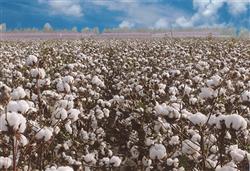
What are the integrated control techniques for cotton pests and diseases?
Topdressing is an important measure for cotton to set more bolls, set large bolls, reduce shedding, and increase yield. However, if topdressing is not done scientifically, it will not achieve the desired effect and sometimes may even produce side effects. In production, cotton topdressing has the following four key points. First, topdress according to the fertilizer requirement pattern. At different growth stages, cotton has different requirements for fertilizer...
-
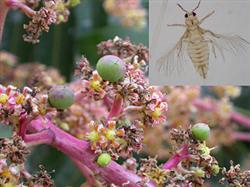
How to prevent and control diseases and pests during the mango flower spike stage? A detailed practical guide
After mango flower spikes are damaged by diseases and pests, the spikes become deformed, flower quality declines, buds drop, flowers dry up, and they cannot bloom or set fruit. The control methods for the diseases and pests harming mango flower spikes are as follows: 1. Anthracnose Anthracnose is the most serious disease harming flower spikes. It strikes as soon as the flower spikes emerge, first appearing as black...
-
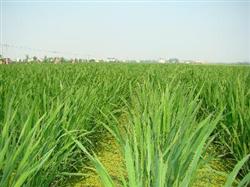
Occurrence Characteristics of Pests and Diseases in High-Mountain Water Bamboo and Integrated Control Techniques
The key points of off-season cultivation techniques for double-cropping water bamboo at low altitudes are introduced as follows: 1. Selection of improved varieties. The Zhejiang Yidianhong water bamboo (a single-cropping type) is selected. 2. Land preparation and seedling raising. Select a field sheltered from wind and facing the sun, with convenient irrigation and drainage and loose, fertile soil, as the seedling bed. In early November, sun-dry the seedlings until they are 60-70% dry, 1...
-
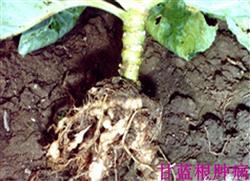
How to prevent and control pests, diseases and weeds during the seedling stage of cabbage-family vegetables
Cabbage clubroot mainly harms cruciferous vegetables. After the disease occurs, the roots swell and become tumor-like, hence the name clubroot disease. Generally, after the main root is infected, it becomes lump-shaped, and after the fine roots, branch roots, lateral roots and fibrous roots are infected, they are mostly locally swollen and deformed. Simple diagnosis: clubroot disease and root-knot nematode disease have similar field symptoms. When distinguishing them, you can dissect...
-
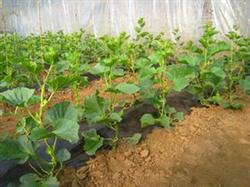
Control Methods for Major Diseases and Pests of Melons
Melon, also known as oriental melon, is one of the high-grade fruits that people love. It belongs to the Cucurbitaceae family, Cucumis genus, melon species, and is an annual herbaceous plant. I. Variety Types and Selection of Improved Varieties Melons are generally divided into two types: thin-skinned melons and thick-skinned melons. Thin-skinned melons, also known as Chinese melons, have thin skin, crisp flesh, and small fruits with a single fruit...
-
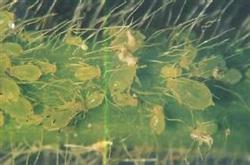
What are the pollution-free soybean diseases and their control methods?
The soybean aphid is one of the major pests of soybean, with adults and nymphs piercing and sucking sap on the top leaves, tender leaves and tender stems of the soybean plant. In severe cases they cover the stems and leaves, and can also attack tender pods, causing stunted plants, reduced fruiting branches and pod numbers, and lower 1000-grain weight; when severe at the seedling stage, the entire plant can die, and in outbreak years if not controlled in time...
-
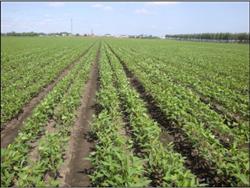
What are the control methods for the three major soybean diseases?
Soybean root rot: This disease can occur and cause damage throughout the entire growth period of soybean, with yield reductions ranging from 25% to 75% or more. The protein content of infected seeds is significantly reduced. The main symptoms are dark brown lesions appearing at the base of the stem and spreading upward to varying degrees to the lower lateral branches, causing the pith of the diseased stem to turn brown, the base of the petiole to constrict...
-
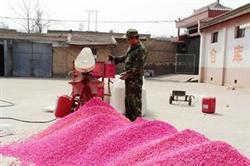
Opinions on the Prevention and Control of Diseases, Insects and Weeds during the Sowing and Seedling Stages of Wheat
Seed dressing of wheat can prevent soil-borne and seed-borne diseases such as take-all, root rot, sheath blight and loose smut, as well as some insect pests. When dressing seed, note the following: 1. The type of pesticide should be determined according to the occurrence of diseases and insect pests. If insect pests occur only slightly during the wheat seedling stage while diseases occur relatively severely, dressing seed with a fungicide alone is sufficient, and there is no need to use an insecticide...
-
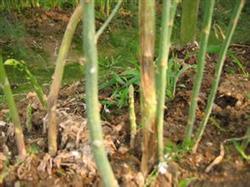
Occurrence Characteristics and Control Methods of Common Asparagus Diseases
I. Asparagus Fusarium Wilt 1. Symptoms. Asparagus fusarium wilt, also known as wilt disease, is a soil-borne disease. Initially, individual plants in the field turn yellow and wilt, and as the disease spreads, the entire plant dies. When young stems are infected, the cladodes and stems turn brown or split longitudinally. Brown lesions can appear on the underground stems and roots of diseased plants, and in later stages the affected parts rot, producing white to pink mold. When young spears are infected, the stems are thin or unable to emerge from the soil.
-
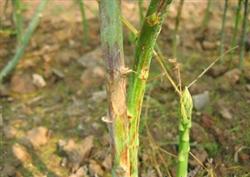
Comprehensive Control Methods and Techniques for Asparagus Pests and Diseases Explained in Detail
For pest and disease control, scientific control measures must be adopted, pollution-free control techniques vigorously promoted, and highly toxic and high-residue pesticides banned, so as to effectively control pest and disease damage while keeping pesticide residues in the product within limits. In control, adopt the measures of "prevention first, comprehensive control" and carry out early prevention in good time. (1) Agricultural...
条件筛选