Symptoms, Damage and Control Methods of Coconut Scale Insects
What is the damage caused by the coconut pest Pseudaulacaspis? How should it be controlled?
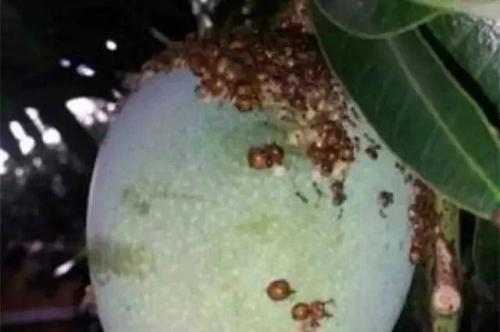
Ecological habits: there may be 10 generations per year, and 1 generation lasts about 33 days. It usually reproduces by parthenogenesis; the mother insect lays eggs under the scale around her body, the egg-laying period is 8 to 10 days, and each female can lay 40 to 155 eggs. It overwinters as an adult. In recent years it has mostly occurred in the dry season, mainly from September of the dry season to May of the following year, but when there is no rain for a long time in summer, it may also break out and cause damage. It has omnivorous feeding habits and very many hosts. Newly hatched larvae can crawl on their own and can be spread to other places by wind, birds, insects and human factors; their distribution and degree of damage are affected by rainfall, wind, temperature, and how well the coconut develops.
Damage symptoms: because the chlorophyll and tissues of the leaves of the damaged plants are destroyed and water is absorbed, they appear withered and yellow; in severe cases they are on the verge of dying, causing an unprecedented major disaster for Taiwan's coconut palms.
Control methods:
1. Improve management so that the coconut develops well; in addition, other crops can be intercropped in the coconut growing area or the ecosystem can be improved, so that natural enemies obtain a good environment and the damage is reduced.
2. Predatory natural enemies of Coccinellidae can be introduced, among which Cryptognatha nodiceps and C. politus are more promising.