-
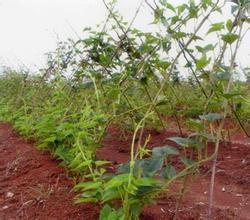
How to grow yam for high yields? New methods help you increase production
1. Shallow topdressing and skillful watering: When fertilizing, apply into the shallow soil layer so the yam roots can absorb it. Shallow topdressing or less topdressing can both ensure high yam yields. Yam fears waterlogging but should not be too dry either; if too dry, it will seriously affect the swelling of the yam. Spray New High Lipid Film to reasonably match water and fertilizer distribution. 2. Build sturdy trellises: After seedlings emerge, set up trellises in time...
-

-
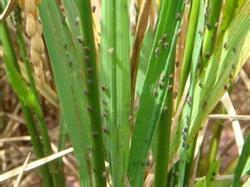
Detailed Explanation of Rice Pest and Disease Identification and Control Methods (Part 2)
The brown planthopper, also known as the brown rice planthopper, is commonly called roundworm, soft-shell roundworm, spindle worm, or midge. Scientific name Nilaparvata lugens (Stal), order Homoptera, family Delphacidae. The brown planthopper is one of the main pests on rice in China, causing damage in all major rice-growing regions across the north and south of the country. Every year it occurs and causes damage mixed with the white-backed planthopper, and the two planthoppers do not...
-
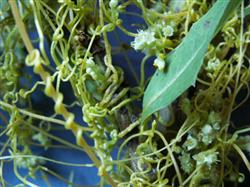
Control Methods for Three Major Soybean Diseases
What does soybean dodder look like? What should you do if soybean dodder appears? Dodder, also called yellow silk vine or tangled silk vine, is a malignant weed. It harms many crops, can cause total loss of soybean yield, and occurs commonly in various regions. (1) Morphology: The stem of soybean dodder is yellow, orange-yellow, or yellow-green, smooth and hairless,...
-
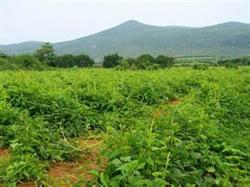
How to prevent diseases in yam during the hot and rainy period?
I. Planting and growth period: generally planted in February-March, and harvesting begins in September-December. II. Main cultivation techniques 1. Soil selection: sandy loam soil that is loose and deep, with a water source for irrigation, should be selected. 2. Preparation and treatment of seedlings (1) Planting with yam cuttings: at present, ...
-

Detailed Guide to Identifying and Controlling Common Hawthorn Diseases
Common Hawthorn Diseases and Their Control
-
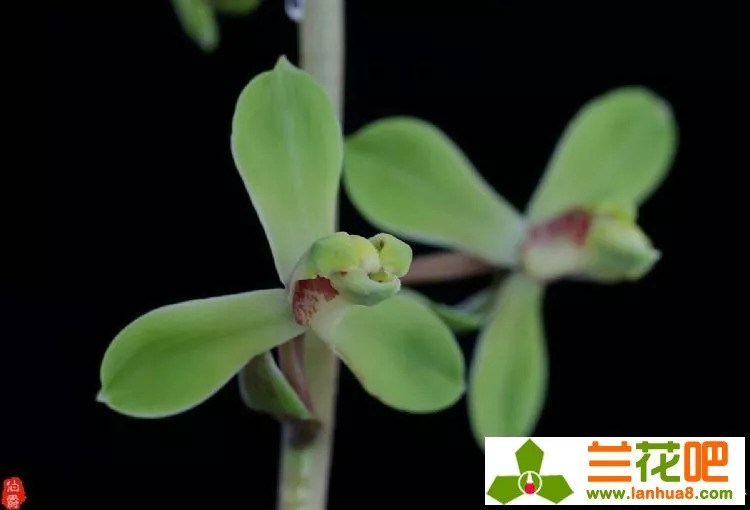
Remember these 3 key points for orchid disease prevention
Promote Chinese orchid culture, spread orchid knowledge. Orchid diseases mostly begin with soggy, stuffy, unclean substrate or overly dry substrate. When the substrate is soggy and stuffy and unclean, air is pushed out, pathogens multiply in large numbers, orchid roots are damaged, and various diseases arise from this, harming the orchid plant. When the substrate is too...
-

How to increase the sprouting rate of orchids? These little tips are very practical
On the question of how to increase the sprouting rate of orchids, the important thing is still to first do the most routine care work for the orchids. On the basis of the most routine care work, then slowly try some new scientific methods. With some new...
-

What exactly is the relationship between tea and disease? Understand it before you drink tea
Data published by institutions such as Case Western Reserve University in the United States, the National Cancer Center of Japan, and Curtin University of Technology in Australia on "research on tea and cancer" shows that people who regularly drink tea have a disease incidence rate more than 60% lower than those who do not drink it often. The price of tea...
-
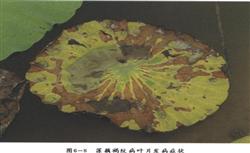
Detailed Guide to Identifying and Controlling Lotus Root Brown Streak Disease Symptoms and Control Methods
Lotus root brown streak disease is widely distributed and occurs in all regions, but it only harms lotus root. 1. Pathogen: This disease is caused by infection with fungi of the genus Alternaria in the Deuteromycotina. The pathogen overwinters in lotus fields as mycelium and chlamydospores with diseased plant residues, and produces conidia under high temperature and high humidity, spreading by wind and rain. 2. Symptoms...
条件筛选