-
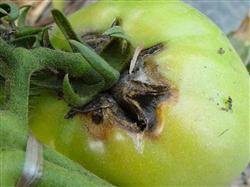
Key Technical Points for Preventing Physiological Diseases of Autumn Tomatoes
Early blight: After onset, concentric ring-patterned lesions appear on the leaf surface, dark brown, water-soaked. Before and after onset, spray with a 500-fold dilution of 70% mancozeb wettable powder, or a 400-fold dilution of 75% chlorothalonil wettable powder, once every 7 days, for 3 to 4 consecutive sprays.
-
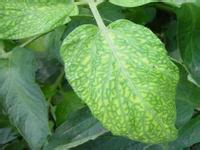
Early prevention and control of autumn tomato virus disease gives good results
Virus disease: In the early stage of the disease, spray with a 500-fold dilution of 20% Virus A wettable powder, or a 1000-fold dilution of potassium permanganate, once every 7 days, for 2 to 3 consecutive sprays.
-
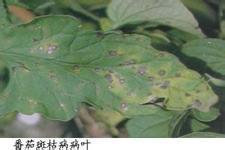
Early prevention and control of autumn tomato leaf spot disease works well
Leaf spot disease: In the early stage of the disease, spray with a 500-fold dilution of 70% mancozeb wettable powder, or a 500-fold dilution of 50% carbendazim wettable powder, once every 7 days, for 3~4 consecutive sprays.
-

The grass you can grow on your roof insulates against sound and prevents leaks, is free of pests and diseases, and is highly effective for treating bites, burns and scalds
Imagine: in the countryside, how beautiful it would be if your roof were completely covered with grass! Some farmers would start to worry about the roof leaking. If you plant Sedum lineare, there is no need to worry at all. Sedum lineare is a succulent...
-
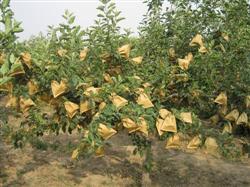
Pest and Disease Control Methods for Pear Trees Before Bagging in Early Spring
The period before and after bud break in early spring is when diseases and pests begin their activity, and once the pear orchard is bagged, spraying becomes considerably more difficult. Therefore, pest and disease control before bagging is the key to pest and disease management in bagged pear orchards. During this period, the focus should be on strengthening control of the pear psylla (Psylla pyrisuga), pear aphid, and red spider mite, among others. (1) Strengthen soil, fertilizer, and water...
-
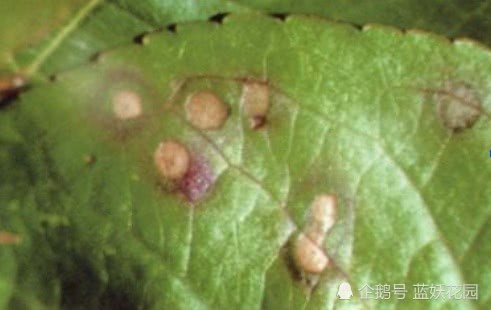
The peony grows weak and spindly - it may have caught this disease
20. Is your peony growing very weak and spindly? Watch out - it may have caught this disease! This is an excerpt from the original "Peony Cultivation" column article by Lan Yao. Yesterday Lan Yao introduced the 4 common major diseases of peonies. Besides those four major diseases mentioned yesterday, there are some other diseases that peonies are also prone to, so today let's continue introducing them.
-
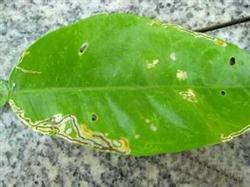
Key Technical Points for Pest and Disease Control in Citrus in Summer and Autumn
1. Whitefly: Both adults and larvae can harm citrus leaves and fruits, sucking sap with piercing-sucking mouthparts and secreting large amounts of honeydew that contaminates leaves and fruits, causing sooty mold. Because whitefly reproduces quickly, has many hosts, and spreads easily, large-scale coordinated control is needed to achieve good results. (1) Control timing: when...
-
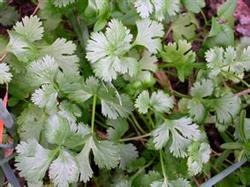
What are the common diseases of cilantro? Detailed explanation of prevention and control methods
Coriander (cilantro) is used as a seasoning vegetable; it is nutritious and simple to cultivate and manage. The key points of coriander cultivation techniques are introduced as follows: Characteristics of coriander. Coriander belongs to the Apiaceae family. It can withstand low temperatures of -1°C to 2°C, and its suitable growing temperature is 17°C to 20°C. Above 20°C it grows slowly, and at 30°C it stops growing. Coriander has requirements for soil...
-
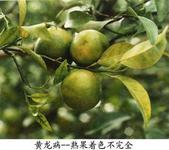
How to identify and control citrus huanglongbing (citrus greening disease)?
I. Symptoms The typical early symptom of a diseased tree is that 1-2 or several shoots with yellowing leaves appear in the deep green canopy. There are two symptom types of these yellowed shoots: one is uniform yellowing of the entire leaf, and the other is a leaf with one patch yellow and one patch green, alternating yellow and green, called the mottled type. The common feature of these two types of leaves...
-
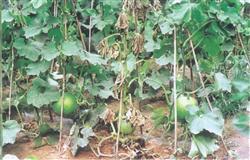
What are the control methods for winter melon pests and diseases?
Fusarium wilt is the most serious disease affecting autumn-planted winter melon. It strikes when the plant begins to flower and set fruit, causing the vines to wither and die. This disease is a fungal disease, and when it occurs severely, it spreads aggressively and rapidly, affecting entire patches and killing whole plants, resulting in heavy losses. Close attention must be paid to its control in order to protect the stems and vines and promote flowering and fruit set....
条件筛选