-
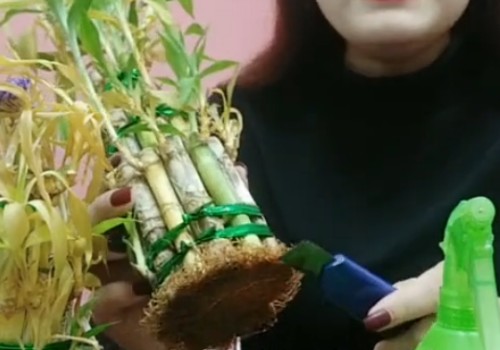
What to do when lucky bamboo roots rot and the water smells? Learn the correct way to handle it
Hydroponic lucky bamboo is best suited for growing indoors, but hydroponic lucky bamboo has a fairly common and fatal drawback: it is very prone to root rot, and then even the water turns putrid and foul-smelling. So what should you do when lucky bamboo roots rot and the water smells? After hydroponic lucky bamboo develops root rot and the water becomes foul
-
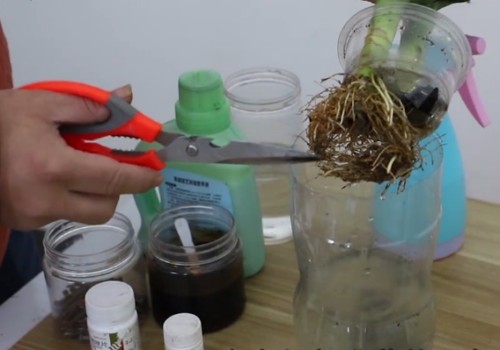
What to Do About Root Rot and Yellow Leaves on Lucky Bamboo? A Detailed Guide to the Correct Treatment
Lucky bamboo (Dracaena sanderiana) is an evergreen ornamental plant, but many growers frequently run into the problem of yellow leaves during care and maintenance. When lucky bamboo develops yellow leaves, the problem usually lies with the roots. It is mainly a case of damage caused by root injury or invasion by viruses and bacteria
-
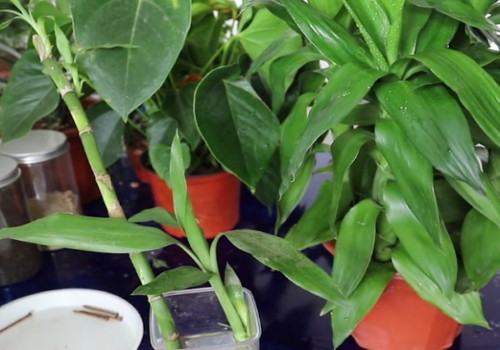
How to prevent yellow leaves on lucky bamboo? Teach you the correct care methods
Many friends love growing lucky bamboo, but this plant is also quite prone to yellowing leaves, while it should normally grow with lush leaves and emerald-green color. When yellow leaves appear, it is inevitably a sight we do not want to see. So, how should you grow lucky bamboo so it does not get yellow leaves? Lucky bamboo developing yellow leaves
-

How to save a schefflera with root rot? Learn the correct treatment method
There is a plant known for its leaves that resemble a duck's foot, and this plant is called the schefflera. Not only that, but this plant also stays green all year round. If you grow it as a potted plant, it can not only decorate and beautify your home environment, but also purify indoor air, giving people a fresh feeling. So
-
What to Do When Schefflera Leaves Turn Yellow and Drop? Learn the Correct Way to Handle It
The evergreen plant Schefflera (umbrella tree) has a lovely name and carries very auspicious meaning as well. Combined with its high ornamental value when grown as a potted plant, it is deeply loved by the public. However, for evergreen ornamental plants, if yellowing and leaf drop occur, it will inevitably greatly reduce the ornamental appeal of the potted plant.
-
-
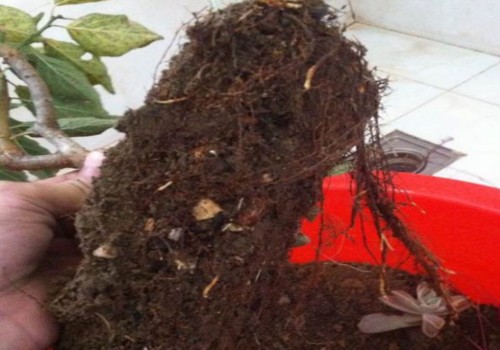
The correct method and operating steps for changing the soil of a plum blossom bonsai
Plum blossom is a flowering plant with fairly strong ornamental value, very suitable for flower viewing. After being trained into a bonsai, it can also be appreciated for its form and even its roots. Moreover, plum blossom is not strict about potting soil; usually, as long as it can meet the conditions of being fertile and loose, breathable and well-draining, it can often survive. But after all, it is grown in a pot
-
What to use to disinfect sago palm root rot? Introduction to the correct treatment method
The sago palm not only has a thick trunk at its rhizome, but also a very developed root system. Generally, we need to prepare a large flower pot to grow it. However, the sago palm is relatively drought-tolerant and afraid of waterlogging, so overwatering easily causes root rot. When root rot occurs, we must take remedial measures in time.
-
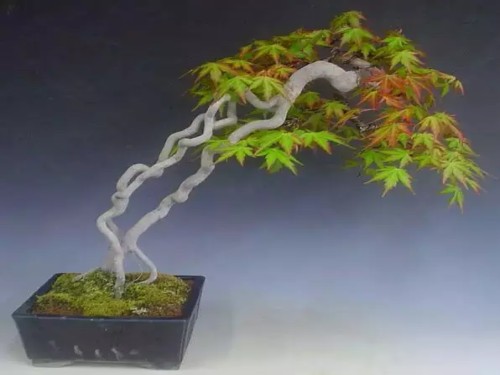
Detailed Explanation of the Correct Methods and Techniques for Exposing Roots in Bonsai
Roots are an important part of tree-stump bonsai; the distribution and shape of the roots directly affect the ornamental value of the bonsai. Through planned cultivation of the tree stump's roots, repotting, changing the soil, and changing the pot year by year, the roots are arranged during this process, the direction of root extension is controlled, and planting continues, gradually exposing the roots above the soil surface
-
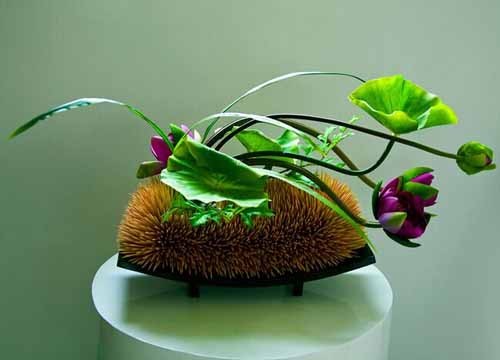
How to plant potted lotus? Learn the correct planting method
For potted lotus, the pot soil is best taken from pond sludge dug in early winter and used after freezing, or select clayey field soil, and plant the lotus rhizomes in early April to early March. Usually 3 nodes are taken as 1 plant, and the buds in the nodes as well as the terminal bud should be complete and undamaged. When planting, first spread 1-2 cm of coarse sand on the bottom of the pot, then fill with 10 cm of soil
条件筛选