-
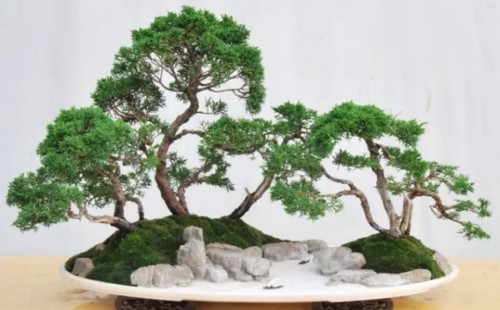
How to water a water-and-land bonsai? Master the correct watering method
In making a water-and-land bonsai, the most crucial part is to set the water level line well, and the water bank line should remain winding and varied, so as to better reflect a natural effect. Besides setting the water level line well, after it is made, watering is also very important in the daily care and management process
-

How to repot a miniature bonsai? Detailed correct method and steps
Repotting a bonsai is mainly done to improve the growing space for the plant's roots, so that the roots do not develop problems due to limited space, and after repotting new nutrients can be added, thereby better promoting plant growth. Not only do ordinary bonsai need regular repotting, even the seemingly very delicate miniature bonsai also need timely repotting
-
-
Analysis of High-Yield Cultivation Techniques for Edible Fungi and Key Points for the Correct Use of Nutrient Solutions
Key Points for the Correct Use of Nutrient Solutions for Edible Fungi
-

How to care for air plants? Learn the correct care method
Have you ever seen a plant curtain? It can even bloom in midair - this is a rare and beautiful sight. The blooming air plant curtain is made from bromeliad-type plants; it needs no soil and no fertilizer, and placed on a flower stand, it blooms red flowers all on its own - absolutely gorgeous! What is a plant curtain? It is said
-
What are the correct methods for growing a potted Radermachera sinica (China doll)?
In its natural state, the Radermachera sinica (China doll) is a medium-sized deciduous tree. Recently, some growers, through careful cultivation, have given it an elegant shape, making it a high-grade potted flower suitable for placement in homes and offices. The roots, leaves and fruit of the Radermachera sinica can be used medicinally, having the effects of cooling the blood, reducing swelling and bringing down fever.
-
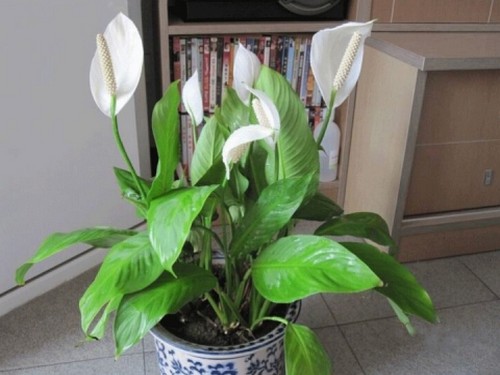
How to care for a peace lily? Master the correct growing methods
The peace lily is an expert at suppressing waste gases exhaled by the human body, such as ammonia and acetone. It can also filter benzene, trichloroethylene, and formaldehyde from the air. Its high transpiration rate can prevent the nasal mucosa from drying out, greatly reducing the likelihood of illness, and it blooms all year round, with a flowering period lasting more than four months, making it an ideal indoor flower.
-
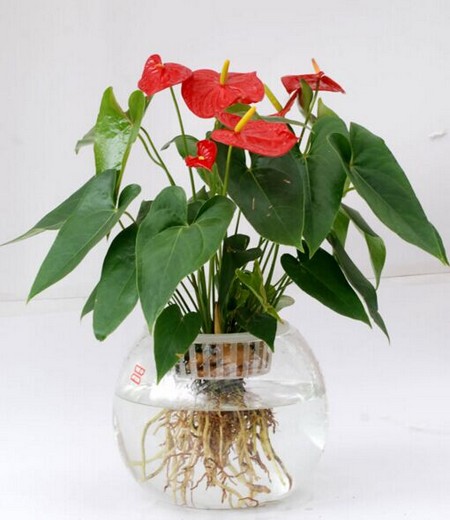
How to grow Anthurium hydroponically? Learn the correct cultivation method
Anthurium is a plant in the Araceae family and also a plant with fairly strong water-loving tendencies. However, growing it hydroponically is somewhat difficult. When growing Anthurium hydroponically, half of the root system should be exposed to the air so that the roots can breathe in the air (as shown in the illustration); otherwise, root rot is very likely to occur. The root system of hydroponic plants grows exposed
-
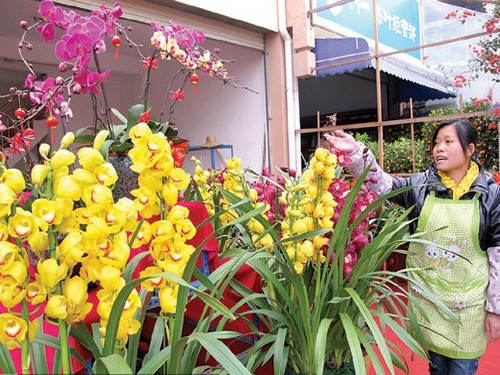
How to grow potted Cymbidium faberi? Learn the correct cultivation methods
The placement of Cymbidium faberi is very important, as it directly affects the growth and development of the orchid. Cymbidium faberi is generally placed outdoors in spring, summer and autumn (in summer, placed in a shaded spot outdoors), and kept indoors in winter. Outdoors, it is best to have open space on all sides with moist air. Indoors, there should be plenty of light, preferably facing south. In this way
-
How to care for a small-leaf banyan bonsai? Teach you the correct care methods
The small-leaf banyan's advantages are its beautiful form, beautiful root base, beautiful branches, beautiful bark color, beautiful leaves, and beautiful aerial roots. The banyan has vigorous roots, dense branches and leaves, grows easily, tolerates pruning, and has a long lifespan. It is also wonderfully varied and uniquely shaped, making it an excellent material for cultivating stump bonsai, and it is highly favored by many bonsai enthusiasts. Nowadays
条件筛选