What to do when lucky bamboo roots rot and the water smells? Learn the correct way to handle it
Hydroponic lucky bamboo is best suited for growing indoors, but hydroponic lucky bamboo has a fairly common and fatal drawback: it is very prone to root rot, and then even the water turns putrid and foul-smelling. So what should you do when lucky bamboo roots rot and the water smells?
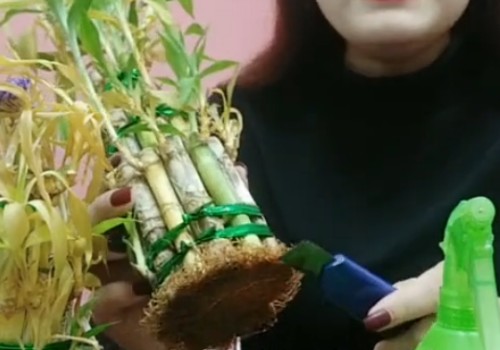
After hydroponic lucky bamboo develops root rot and the water becomes foul, it not only affects the plant's normal growth but also its ornamental value. More importantly, once the water quality spoils, it gives off an unpleasant odor that affects not only body and mind but also health. After all, spoiled water contains quite a few harmful bacteria and even pathogens, and over time it will both pollute the indoor air and possibly carry pathogens out into the space.
When we run into the above problem, we should first promptly take the plant out of the water-growing environment, then use sharp scissors or a utility knife to remove the blackened or rotted roots at the base of the plant. For some roots where the rot cannot be seen, gently pinch them with your hands; if the bottom of the stem feels soft, that means it is rotting.
Once any rotting spot is found, it must be cut off from the base until all the rotted and blackened parts at the bottom of the stem are cleaned away, and generally the cut is made at a 45-degree slant. Then wash the roots clean and sterilize them, and clean the container as well. This increases the contact area between the base and the water, which is better for rooting later and for resuming growth.
Next, fill the cleaned and sterilized container with an appropriate amount of clean water. You can also sprinkle a little bit of salt into the water, which serves as a second sterilization treatment for the plant's roots. Then reinsert the treated lucky bamboo into the container, and place the container and all in a cool, ventilated spot for care.
If all goes smoothly, the plant will re-root after a few days. Once it has successfully rooted, we then apply a little compound fertilizer solution to it. Be sure to control the amount of fertilizer solution well; generally just drip in 1-2 drops at a time. Dripping in too much will make the concentration too high and will likewise harm the plant's roots. This is because the newly sprouted roots are still very tender and weak, and a slight mishap can cause damage, which in turn leads to continued root rot.
Many gardening friends do not know how much water needs to be poured into the container when growing lucky bamboo in water. Actually, we do not need to use too much water; generally about 1/3 of the container's volume is enough. If there is too much water, it instead easily submerges some of the plant's leaves, leading to leaf rot and root rot, and then the water also becomes foul.
Therefore, if we find that hydroponic lucky bamboo has started to smell, we need to change its water promptly and also check whether the roots of the lucky bamboo have rotted. Once root rot is found, trim the roots promptly, or even cut off the roots, then sterilize them and replant.