The Correct Methods and Timing of Pruning Okra Explained
Okra is very commonly grown in China, and as people pay more and more attention to health and wellness, this vegetable with high nutritional value and a unique taste is becoming increasingly popular. When growing okra, if you want to increase the yield, then pruning work is essential. So how should we prune okra when growing it? Today, the editor brings you the pruning techniques for okra, so let's take a look together!
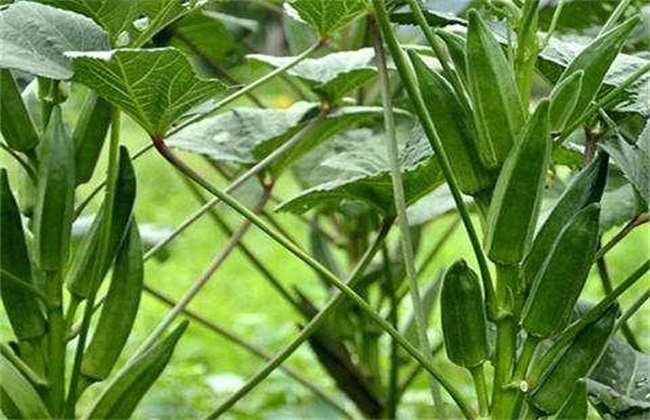
1. Pruning and Topping
Okra has a relatively strong growth capacity, so its branches and leaves grow quickly and it produces a fairly large number of branches. Therefore, when growing okra, whenever the okra grows to about 1 m, it should be pruned. At this time, the main pruning method is topping, cutting off about 20 cm from the top of the branches; mainly, the pruning length should still be reasonably adjusted according to the actual condition of the okra branches. Then appropriately prune the okra's budding shoots to inhibit the growth of vegetative branches. This prevents excessive growth from causing the okra plant to grow leggy, promotes the sprouting of side buds, and increases the fruiting rate of the okra plant.
2. Pruning During the Growing Period
When growing okra, we should pay attention to observing the growth of the okra plant. Especially the growth of the branches: promptly prune some side branches that are growing vigorously and leggy, or are too long and too dense. And be sure to do this regularly, because as just mentioned, okra grows very quickly. So if it is not pruned in time, the branches will grow leggy, causing poor air and light penetration in the field, which affects the flowering and fruiting of okra. However, when pruning we should also pay attention to the intensity, mainly light pruning, and it is enough to keep about three nodes on the side branches; otherwise it will also affect the number of flowers and fruits.
3. Pruning After Harvesting Fruit
We should not only carry out pruning work during the growing period of okra, but also pay attention to appropriate pruning after harvesting fruit. After each fruit harvest, we should promptly remove the old leaves, weak leaves, and diseased leaves on the young fruit branches. Then pay attention to gradually pruning some old branches with a low fruiting rate, to prevent excessive nutrient consumption and increase planting costs. Moreover, this can also concentrate nutrients on the robust branches and provide sufficient nutrients for the subsequent young fruits. This lays the foundation for the plant's flowering and fruiting the following year, but also be careful not to prune heavily, to prevent excessive nutrient consumption.
4. Pruning Precautions
When pruning, we should pay attention to the surrounding environment, and must not prune in cloudy and rainy weather. This is because germs breed in greater numbers on cloudy and rainy days, so if pruning is improper, the wounds are very likely to be infected by germs, causing the wounds to fail to heal in time and gradually rot. This causes plant death and affects planting returns. Also, after pruning we must not immediately water and fertilize, to avoid too much water and nutrients causing nutrient overflow, and it also easily causes the plant to become diseased. So after pruning, we generally need to wait until the pruning wounds gradually heal before carrying out water and fertilizer management.
The above is a brief introduction to how to prune okra. The pruning work of okra is essential in cultivation, so everyone must pay close attention to it. That is all for today's introduction. This article is for reference only. Thank you for reading and supporting.