What to Do About Root Rot and Yellow Leaves on Lucky Bamboo? A Detailed Guide to the Correct Treatment
Lucky bamboo (Dracaena sanderiana) is an evergreen ornamental plant, but many growers frequently run into the problem of yellow leaves during care and maintenance. When lucky bamboo develops yellow leaves, the problem usually lies with the roots. It is mainly a case of damage caused by root injury or invasion by viruses and bacteria.
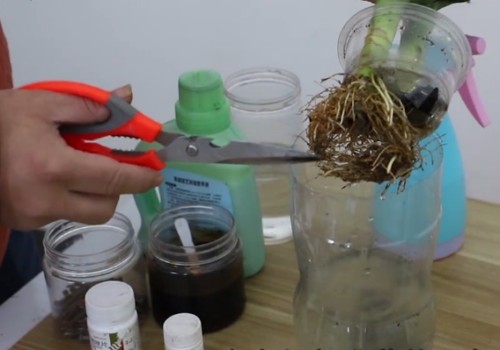
But no matter which way the roots are damaged, the most common outcome is root rot. Once root rot sets in, the plant's ability to absorb nutrients through its roots drops sharply, or is even lost entirely. And when nutrients and water cannot be delivered to the plant normally, the plant is then quite prone to developing yellow leaves.
Therefore, to solve the problem of yellow leaves on lucky bamboo, we first need to deal with the root rot. And whether the lucky bamboo is grown in water or in soil, whenever root rot occurs, the first thing to do is treat the rot. After that, you also need to find out what caused the root rot so you can prevent a similar situation from happening again.
When root rot occurs, first take the plant out, then use sterilized sharp scissors to cut away the rotten parts of the roots. If it is a water-grown lucky bamboo with root rot, the roots will also look wilted. After trimming the roots, promptly soak the roots in a solution diluted from carbendazim or potassium permanganate to disinfect and sterilize them, so as to keep the pathogens from spreading.
After trimming the roots and disinfecting them, promptly reinsert the plant into the bottle or replant it in the potting soil. If a water-grown lucky bamboo lacks nutrients, you can drip a few drops of nutrient solution into the water when you change it later; if it is soil-grown, after it has successfully rooted, also water it with a little nutrient solution to supplement nutrients.
And to prevent the plant from developing root rot and yellow leaves again in the future, we also need to take corresponding preventive measures. Here, the editor recommends three methods to achieve the goal of prevention and control.
1. When watering normally, you can use a rusty iron nail to make rust water, because trace amounts of iron ions dissolve out of the rust water, which can supplement some iron for the lucky bamboo.
2. Take one vitamin C tablet, grind it into powder, dissolve it thoroughly in water, then use it when watering or changing the water. Once vitamin C dissolves in water, the solution naturally becomes weakly acidic, which is exactly what lucky bamboo needs.
3. Take one aspirin tablet, grind it into powder, dissolve it in water and use it the same way as vitamin C. Aspirin is rich in salicylic acid, which can increase the cell division capacity of lucky bamboo and thereby promote rooting.