-
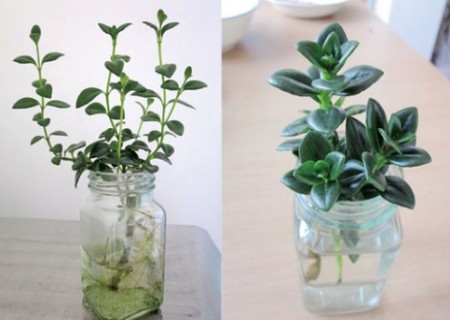
How to grow goldfish plant in water? Detailed guide to the correct method
Water-cultured spider plant is currently one of the most popular indoor foliage plants; placing a small seedling in a clean glass jar can maintain its ornamental value for two to three years. Do you really like the goldfish plant? Even when it is not blooming, you still love its green leaves, right? Recently, flower enthusiasts have been very curious about whether the goldfish plant can be grown in water
-
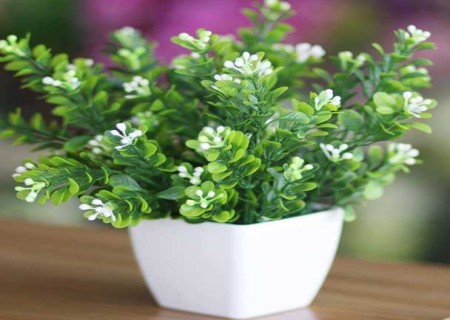
How to grow potted Aglaia odorata? Teach you the correct care methods
With love, life can bloom - this is the symbolic meaning, or flower language, of Aglaia odorata. Not only is its flower language inspiring, Aglaia odorata also has high ornamental value, and it can purify the air and beautify the room, making it very suitable for home potting. So how do you grow Aglaia odorata?
-
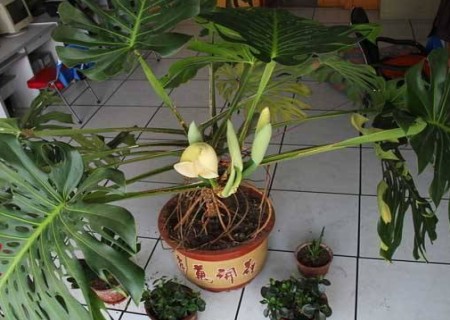
What to do about root rot in Monstera deliciosa? Here's the correct way to handle it
Monstera deliciosa is native to tropical rainforests, so it naturally prefers a warm and humid growing environment. However, when growing Monstera deliciosa in a pot, you must never let water accumulate in the pot, otherwise it will develop root rot just like most other plants, which will in turn inhibit the plant's growth, causing the leaves to turn yellow and droop, and the originally bright green sheen on the leaves will also disappear
-
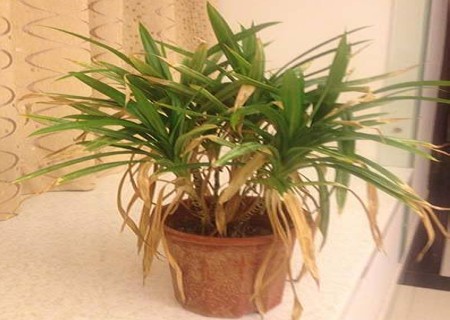
What to Do When a Dragon Tree Has Root Rot? Learn the Correct Way to Handle It
When you notice the leaves of your potted dragon tree drooping and wilting, you may not realize that the plant's root system inside the pot has already rotted. So, what causes root rot? In fact, most potted plants develop root rot due to overwatering, poor drainage in the pot leading to prolonged moisture, and water accumulation.
-
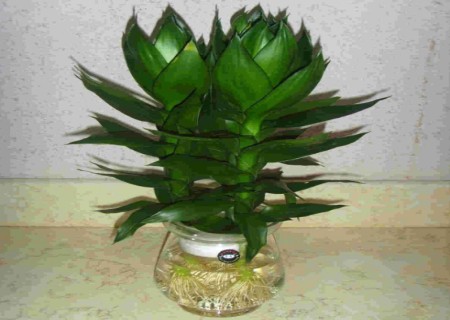
The correct management method for hydroponic Dracaena reflexa
Potted Dracaena reflexa is widely used in home container growing because of its extremely high ornamental value. Its leaves are elegant and graceful, and it is highly shade-tolerant, making it very suitable for indoor foliage appreciation. Not only that, it can also be enjoyed as a hydroponic plant! Dracaena reflexa has bright leaf color and an elegant plant form, and is very popular.
-
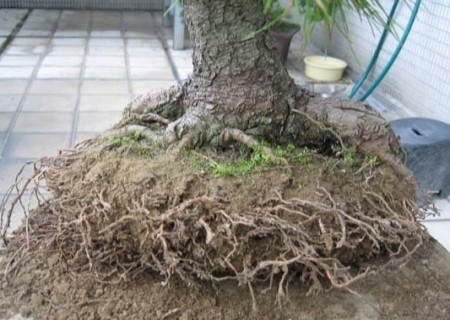
How to repot a pine bonsai? Detailed guide to the correct method
If a pine has been growing in a pot for too long, its root system becomes tangled and crisscrossed, and the potting soil easily breaks down into powder, seriously hindering aeration and drainage while also reducing water retention. In this case, we need to consider repotting the bonsai. Pines can be repotted in spring and autumn.
-
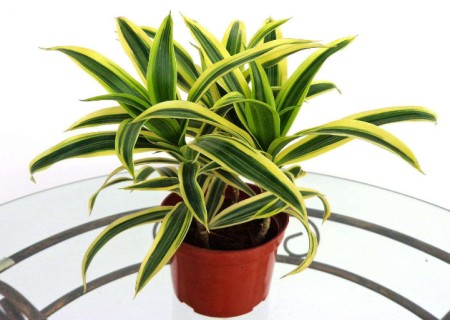
What to Do If Your Potted Dracaena Reflexa Has Root Rot? Here's the Correct Way to Handle It
Recently I heard a plant friend complain that they had potted a batch of flowers and plants at home, and for some unknown reason, two of the Dracaena reflexa plants actually developed root rot. One had already died, and the other was hanging by a thread, probably not long for this world either. Sigh, when this happens and you don't know what to do, it really makes you anxious.
-
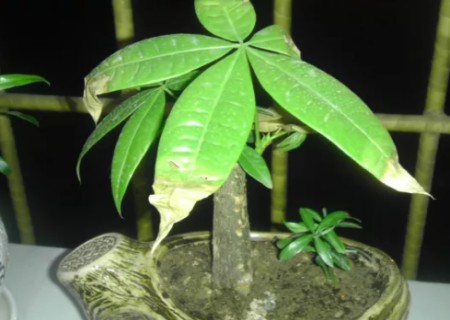
What to Do If Your Money Tree Gets Frostbite? Teach You the Correct Remedial Methods
It is now deep winter, and many plant enthusiasts are worrying about frostbite appearing on their money trees (Pachira aquatica). Indeed, after all, the money tree does not have strong cold resistance. If winter care and management work is not done properly, it can easily lead to frostbite, and in severe cases, it may even freeze to death! Frost damage in money trees
-
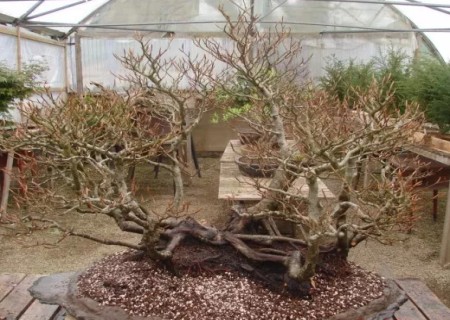
How to repot a Japanese zelkova (Zelkova serrata) bonsai? Master the correct repotting method
When a bonsai tree grows too long in a limited potting-soil environment, the fertility gradually runs out over time, and the potting soil also becomes increasingly compacted, so air and water permeability are both seriously affected. Therefore, repotting a bonsai tree at the right time is the foundation for ensuring it continues to grow well. Japanese zelkova bonsai is no exception.
-
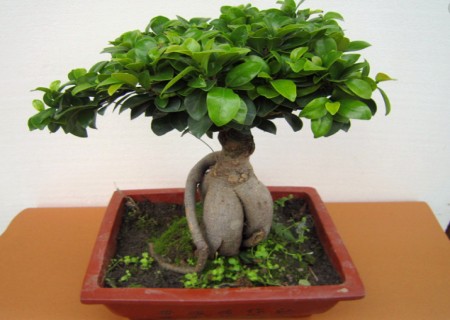
The Correct Method and Detailed Steps for Repotting a Ficus Bonsai
Ficus bonsai generally need repotting once every 2 years, and the timing for repotting is generally set after the ficus enters dormancy, that is, the two periods of early spring or late autumn. When repotting a ficus, the potting soil should be adjusted; a suitable amount of fully decomposed organic matter can be added to the potting soil
条件筛选