The correct method and operating steps for changing the soil of a plum blossom bonsai
Plum blossom is a flowering plant with fairly strong ornamental value, very suitable for flower viewing. After being trained into a bonsai, it can also be appreciated for its form and even its roots. Moreover, plum blossom is not strict about potting soil; usually, as long as it can meet the conditions of being fertile and loose, breathable and well-draining, it can often survive. But after all, it is grown in a pot, and the space in a pot is rather limited, so after being grown for a long time, not only does the potting soil tend to become compacted, but the nutrients in the potting soil are also nearly used up. Therefore, we need to change its soil regularly.
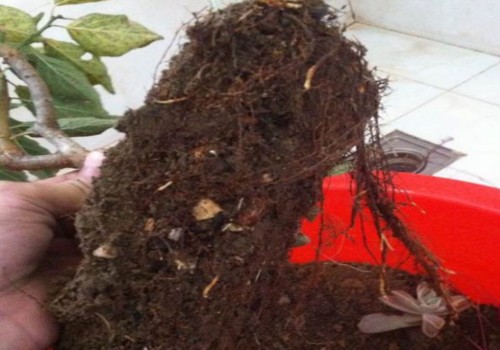
Changing the soil for plum blossom is rather physically demanding work, but it is also very necessary work. Especially if the soil we use is too sticky and heavy, over time it tends to become even more prone to compaction, which not only affects the roots' ability to exchange air, but also easily causes waterlogging and leads to root rot. So if we use relatively sticky and heavy soil to grow plum blossom in pots, then the frequency of changing the soil often needs to be higher. So, how do you change the soil of a plum blossom bonsai?
To change the soil for plum blossom, we first need to determine the best time, so that the harm that changing the soil brings to the plant can be minimized. Taking everything into consideration, it is generally recommended that the most suitable time to change the soil is in spring after the plum blossom has finished blooming. Because at this time the plant has become relatively weak after flowering and needs to recover growth and sprout, and changing the pot at this time will not affect that year's flowering, so it is generally better to wait until after we have enjoyed the flowers before changing its soil.
But when changing the soil for plum blossom, you must never replace all the old soil at once, and you should also try your best to ensure the root system is not damaged, otherwise it may affect the plant's establishment in the pot. Of course, when I say here not to injure the plant's root system, I mainly mean not to injure the plant's robust roots, because this is one of the key factors for ensuring the plant establishes itself in the pot and survives. Each time, we can use new potting soil to replace 1/3 of the old soil for the plum blossom, doing it over multiple years until the old potting soil has all been replaced. In this way, the plant not only establishes itself in the pot quickly, but also will not suffer extensive root damage.
Of course, when repotting plum blossom, it also needs to be combined with root pruning. After carefully removing it from the pot, check the condition of the plum blossom's root system yourself. Once you find roots in undesirable forms such as rotten roots, damaged roots, old and weak roots, or diseased roots, be sure to cut them off. Then you can use medication to disinfect and sterilize the wounds. If you want the plant to establish itself in the pot and take root faster, we can also use a little rooting agent.
After that, we can then change the soil and pot the plum blossom according to the normal procedure. After completing the potting, it is also necessary to water it thoroughly in time, preferably by the soaking-pot method, because watering this way is often more thorough. If you water the plum blossom directly, it is often difficult to water it thoroughly. Because the first watering after potting is very critical for the plant to establish itself in the pot and survive, this watering is called the “root-setting water.”
Next, place the plum blossom bonsai whose soil has been changed in a cool, ventilated place to recover. During this period, besides spraying the plant more often to keep it moist, you usually cannot water or fertilize it directly. Because a plum blossom that has just been potted has a relatively poor ability to take up water through its roots, since at this time the plant is in the recovery period. So even if we give it water and fertilizer, the plant often cannot absorb them in time, and instead it is easy to harm its root system, thereby affecting its establishment in the pot and survival.
It should be noted that plum blossom relatively prefers fertile and loose, breathable and well-draining neutral or slightly acidic sandy soil, so it is recommended that you prepare new potting soil for plum blossom according to this standard. But there are also quite a few soil-mixing schemes that can meet this standard, so I recommend using edible residue, stacked mixed fertilizer soil, and coal ash soil, mixed and prepared in a ratio of 4:4:2. If these materials are not easy to find, then I recommend using leaf mold soil, garden soil, and sand rich in organic matter and humus, mixed and prepared in appropriate proportions.