-
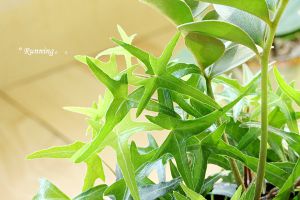
Repotting English ivy requires mastering the correct methods and steps
Many people are unclear about how to repot English ivy. Actually, it is not difficult. First, we choose a good potting soil for it, and after removing the plant from its pot, place it into the flower pot. Then prune the unpotted plant, cut off the bad roots, plant it in the new potting soil, and finally press the soil firm. After the operation is complete, we need to give it plenty of water so the new soil and roots fully bond, which helps it better adapt to the new environment.
-
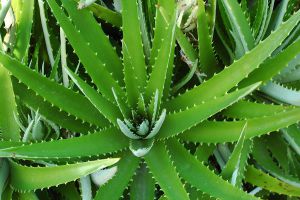
How to Prune Aloe Vera: Detailed Guide to the Correct Methods and Steps
Many people grow aloe vera, but they don't know how to prune it. In fact, the specific method depends on the purpose of pruning. If it is to beautify the plant, use a sterilized sharp knife to cut off the lower leaves along the base of the leaf; if it is to deal with root rot, you need to completely cut away the rotted roots; if it is to inhibit its growth, you can cut off some of the new shoots.
-
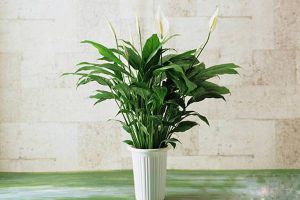
How do you repot a peace lily? Correct steps and precautions
Why does your peace lily look more and more listless the longer it grows? Because you have not repotted it for too long! So how do you repot it? First, in late autumn and early winter, prepare new potting soil and a pot for it. After that, take the plant out of the old pot, plant it into the pot filled with new potting soil, firm the soil down, then water it thoroughly until water flows out of the drainage hole at the bottom of the pot, and finally place it in a spot without strong light for a period of care.
-
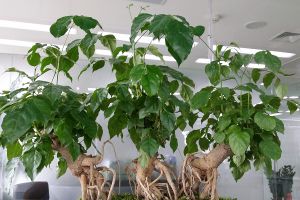
What to Do If the Radermachera sinica (China Doll) Has Root Rot? Learn the Correct Way to Handle It
Have you ever run into root rot while growing a Radermachera sinica (China Doll)? How should we deal with it? First, dig the plant out of the soil and rinse it clean, then cut off the rotted roots, soak it in a fungicide, and let it dry in a shady spot; during this time you need to change the potting soil, and it is best to choose a soil mix with good aeration and drainage for replanting.
-
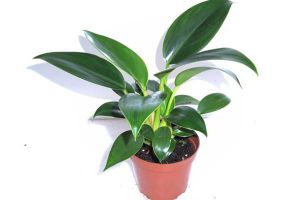
How to water a Golden Pothos? Detailed guide to the correct watering method
It is actually drought-tolerant, and if you water it often and give it a lot of water, it may very well die. In spring it only needs moderate watering, once every ten days to half a month; it grows fastest in summer, so it needs more water. In autumn the amount of water needs to be controlled, and in winter the amount of water needs to be reduced.
-
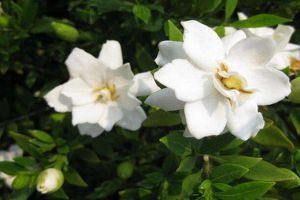
How to prune a large-leaf gardenia? Teach you the correct method
When it comes to pruning this plant, it is very important to adjust the specific method according to the time. For example, do not prune the side branches in spring. When the new branches have grown about three nodes, pinching is needed. In addition, another pinching should be done in August.
-
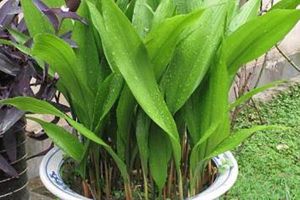
How to fertilize Aspidistra? Correct methods and precautions
I believe many friends are very fond of Aspidistra, so do you know how to fertilize it? First is frequency: we should apply flower fertilizer once or twice a month; too little may cause it to lack nutrients, while too much may burn the seedlings. Second is the type of flower fertilizer: you can apply decomposed human and animal manure, or buy specialized flower fertilizer. Finally, note that when repotting, add some crushed bone and cake fertilizer as a base fertilizer.
-

How often should you water a bougainvillea? A detailed guide to the correct watering method
Bougainvillea is originally called Bougainvillea glabra, and it is grown in most parts of China. Today we will talk about how often it should be watered in daily care. In spring and autumn, it grows relatively fast, so we need to water it once a day; in summer, the temperature is too high, so we need to water it once in the morning and once in the evening; in winter, its water demand is not high, so watering it once every 5 days is enough.
-
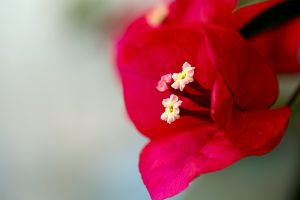
How to Pinch Bougainvillea: A Detailed Guide to the Correct Method
A single bougainvillea can display multiple flower colors at the same time, and it is easy to keep alive, but if it is allowed to grow freely it will not form a low, spherical shape. To maintain its plant form, pinching is necessary. The specific method is to wait until it grows to 20 to 30 cm, then cut off the branch tips. When the side branches grow to about 10 cm, continue pinching them off, but leave three or four leaves for shaping later, cut off the other terminal leaves, and then use the same method to pinch the small twigs on the side branches. Note that you can only pinch shorter branches; if there are overly long leggy branches, choose to prune and shorten them instead.
-

Reasons Why Bougainvillea Does Not Sprout and the Correct Way to Handle It
Many gardening enthusiasts find that their bougainvillea does not sprout, which gives them a real headache. How should this problem be solved? We mainly look for the cause from the following three aspects and take corresponding measures: the first is temperature, and if it is unsuitable, adjust it to the range of 15°C-30°C; the second is whether the roots were damaged during transplanting, and if they were damaged, adjust the environment around it and place it in a bright, well-ventilated spot; the third is whether it has been watered too much, and if there is too much water, reduce the amount of watering somewhat.
条件筛选