-
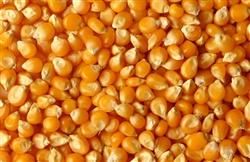
What is the correct method for pre-sprouting corn seeds?
How do you pre-sprout corn seeds? What should you pay attention to when pre-sprouting corn seeds? Experienced gardeners are also asked to share their advice, such as: if corn seeds cannot be sown during the optimal sowing period, the variety has a longer growth period, and the soil moisture is good, the pre-sprouting sowing method can be used, which can make corn emerge 5 days earlier and mature 3-5 days earlier...
-
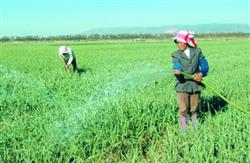
The Correct Methods for Watering and Fertilizing Garlic
How should garlic be watered and fertilized? What should be noted? We ask experienced readers to help explain. Because garlic has a long growing period and has relatively low water requirements but a high fertilizer requirement, Zhongdi Network has compiled the methods for watering and fertilizing during garlic cultivation. These are listed in detail below for readers' reference...
-
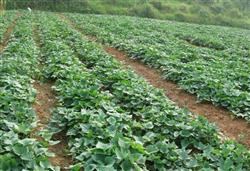
What is the correct method for turning sweet potato vines during cultivation?
How do you turn sweet potato vines during cultivation? Should it be done during the rainy season or during drought? We ask experienced gardeners to help explain. Because sweet potato is a vine-like herbaceous plant, the vines grow prostrate along the ground, and secondary roots form at the stem nodes in the soil. Therefore, the yield of sweet potatoes is related to the tubers; the larger the tubers, the higher the yield. Moreover, the size of the tubers is not only...
-
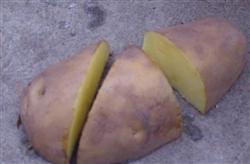
The correct method for cutting seed potatoes and sprouting them
How do you cut seed potatoes and sprout them? What should you pay attention to? Is there any fellow gardener who can help explain? Zhongdiwang has compiled the methods for cutting seed potatoes and sprouting them, and a detailed introduction is given below for fellow gardeners' reference. Seed potato cutting methods: 1. Size of seed potato pieces: generally...
-
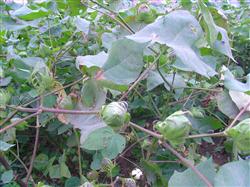
Correct methods and key technical points for fertilizing cotton in the late stage
How should cotton be fertilized in the late stage? Please explain the methods. Around mid to late September is the late growth stage of cotton. During this period, the cotton root system's ability to absorb nutrients declines noticeably, but if nitrogen, phosphorus, potassium, zinc, boron and other fertilizers are sprayed on the cotton leaves, it can prevent premature senescence, promote early maturity, prevent disease, prevent boll shedding, and produce large bolls...
-

How to harvest lotus root properly? Master the correct harvesting method
How is lotus root best harvested? Please give guidance. Harvesting lotus root too early affects yield, while harvesting too late lowers quality. Therefore, the harvest time should be determined according to how early or late the plants develop and the intended use. ① Huaxiang lotus root. The newly formed lotus root is called huaxiang lotus root, also known as tender lotus root. This kind of lotus root has a very low starch content and features a fresh, tender, sweet and crisp flavor. When the lower-layer leaves of huaxiang lotus root are yellow-green, the middle-layer leaves are dark green, the upper leaves have all taken shape, and no new leaves appear in the whole plant, it can be harvested. Early September is the best time, but harvesting at this time affects yield, so only a small amount should be harvested. ② Mid-Autumn lotus root. Mid-Autumn lotus root can be harvested around the Mid-Autumn Festival, when the lower-layer leaves in the whole field have withered, the middle-layer leaves are yellow, and the upper-layer leaves are yellow-green. Harvesting Mid-Autumn lotus root is mainly to meet people's needs for the Mid-Autumn Festival and National Day. ③ Red-rust lotus root and white-rust lotus root. Red-rust lotus root is generally harvested in mid-October, named because the surface of the lotus root has a rust color at this time. At this stage the lotus root contains more starch and can be used for cooked food or processed into lotus root powder. By the end of October, the redness of the lotus root fades and turns white, and it is called white-rust lotus root. At this time the lotus root is rich in starch, suitable for processing and eating, and can also be stored until after the beginning of spring the following year.
-
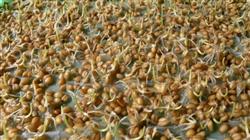
How to save wheat seeds? I'll teach you the correct seed-saving method
It's wheat harvest season again, and here's how to save wheat seeds: The quality of wheat seeds is the foundation and key to a good wheat harvest. In principle, when choosing varieties, farmers should buy wheat varieties that have passed national approval from qualified seed suppliers. Some farmers use their own saved wheat seeds, and they should follow five points....
-
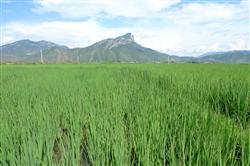
What are the correct methods and precautions for draining and drying rice fields?
How to dry a rice field properly? An introduction. Draining and drying a rice field is an important measure for improving paddy soil structure, promoting rice seedling roots to grow downward, enhancing rice root vigor, increasing rice stalk toughness and lodging resistance, controlling ineffective tillering, raising the percentage of productive tillers, improving the field microclimate, and reducing the occurrence of rice diseases and insect pests. But...
-
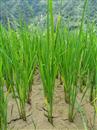
What is the correct method and purpose of draining paddy fields for rice?
How do you drain a paddy field for rice? What does it do? Please explain the field-draining method. Draining paddy fields is one of the main technical measures for increasing rice yields and promoting early ripening. 1. Main purposes of field draining. 1) Control ineffective tillering and consolidate effective tillering. When rice tillering has reached a certain number, that is, once there are enough seedlings, in our province, in terms of time, the effective tillering termination period is around the end of June. Early tillers can form panicles, while tillers after the termination period cannot form panicles or only form small panicles. In production, by draining the field, the young tiller buds at higher positions cannot get water and fertilizer and stop growing, reducing nutrient consumption, so that the main stem and large tillers receive more nutrient supply, laying a foundation for strong stems and large panicles.
-
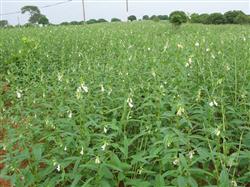
How should summer sesame be fertilized? Master the correct fertilization method
How should summer sesame be fertilized? Please provide guidance. For high-yield cultivation of summer sesame, fertilization should involve heavy and shallow application of base fertilizer, a moderate amount of seed fertilizer, heavy application of flower bud fertilizer, and supplemental spraying of phosphorus and potassium fertilizers; organic fertilizer should be the main type, combined with phosphorus and potassium fertilizers, and the amount of chemical fertilizer should be minimized as much as possible to improve sesame quality. For every 100 kg produced...
条件筛选