Repotting English ivy requires mastering the correct methods and steps
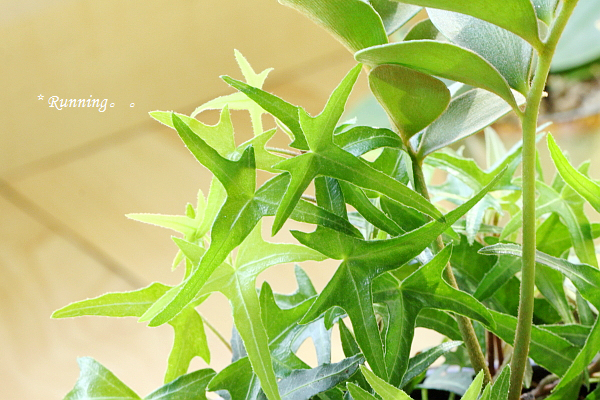
1. Method for removing from the pot
The first thing we need to do is remove it from the pot. We must control the timing well; generally this operation needs to be done when the soil is relatively dry, because at this time its soil has shrunk, making it easy to pull out of the pot, and the soil will not scatter.
We need to use a bamboo piece to remove the surrounding soil, then cut off some old roots and some overly long roots. If there are rotten roots, we should deal with them even more. Cutting roots needs to be clean and quick, but the number of roots cut must be controlled well; we cannot cut off a lot when there are only a few roots left. During the process of removing soil, we must pay attention: leave the soil around the fine hair roots, so that after repotting it will grow well.
2. Planting and laying soil
Before transplanting, we need to place some fragments or plastic mesh at the bottom of the pot, so that water drainage and air permeability are better. If it is a relatively large pot, we can also put in more, then spread coarse-grained soil, and finally move the tree in.
During the moving process, we need to first put in the soil we prepared, then hold the plant with our hands, place it in and adjust the position, and finally tamp the soil firm. It is best not to leave gaps, otherwise problems will appear in later growth. Generally the pot we use is the original one, unless it cannot fit, then we change to a slightly larger pot.
3. Replenishing water
After repotting, we need to give an excess of water the first time, so that its roots and the new soil will bond better. After that, wait until it dries before replenishing water.
When replenishing water again, because the old roots are damaged and the new roots have not yet grown out, we cannot water too much, otherwise the roots are prone to rot. Generally we can sprinkle some water on the leaves, so that it can get water while the roots are not damaged.
4. Shallow pots should be covered with moss; deep pots should leave a "water opening"
If using a shallow pot, then we need to spread green moss on top; if using a deep pot, this is not needed, so that watering will not cause loss of water.
5. Use good potting soil
Better soil must satisfy good fertility, air permeability and other aspects well. We can mix it ourselves or buy it.