-
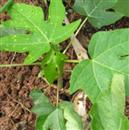
Methods and Technical Key Points for Controlling Root Rot in Papaya Seedlings
Papaya is a subtropical crop, propagated by seedlings and transplanting. Analysis suggests the main causes of root rot at the seedling stage are: water accumulation in the seedbed after rain, excessively high fertilizer concentration during the seedling stage, nematode invasion of the roots, and infection by root rot pathogens. Control measures: 1. The papaya root system carries out respiration in the soil. Under oxygen-deficient conditions, anaerobic respiration...
-
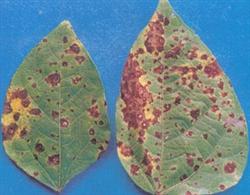
How to prevent and control mung bean leaf spot disease? Detailed explanation of control methods
1. Choose disease-resistant varieties, plant at a reasonable density, and ensure good ventilation in the field. 2. Strengthen field management, and pay attention to draining or dispersing soil moisture after heavy rain. 3. At the early stage of the disease, choose 70% mancozeb 500x solution, or 41% Texiao Shajunwang 2000x solution, or 20% Landi 500x solution for spray control. Spray once every 7 to 10 days, spraying continuously...
-
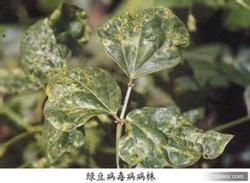
Timely pest and disease control during the wheat greening stage
I. Viral disease (1) Symptoms This disease occurs very commonly, with more cases at the seedling stage. In the field it mainly manifests as mosaic mottling, crinkled mosaic, and so on. In mild cases, plants show mosaic and mottling symptoms at the seedling stage. In severe cases, seedlings develop crinkled, small-leaved, clustered mosaic plants, with deformed, crinkled leaves...
-
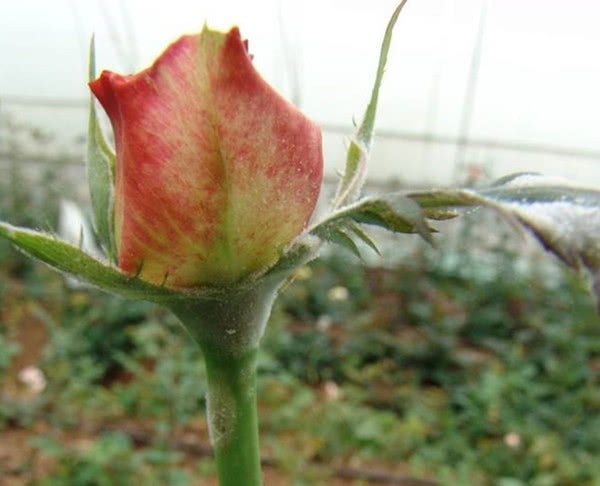
What are the common pests and diseases of roses? A detailed guide to prevention and control methods
Roses originated in China and were introduced abroad as early as 200 years ago. Through long-term crossbreeding and selection by European and American horticulturists, modern roses have developed to more than 20,000 varieties. Roses are cold-resistant and highly adaptable, suitable for both ground planting and container growing, so they are widely cultivated around the world...
-
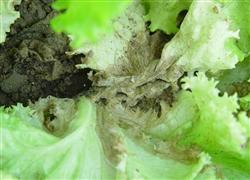
What are the common diseases of lettuce? Detailed explanation of control methods
When lettuce is grown in greenhouses in winter, it is prone to a variety of diseases. Several common diseases of lettuce and their control measures are summarized as follows: Sclerotinia rot mainly affects the base of the stem. In the early stage of the disease, the affected part is yellow-brown to brown and water-soaked, then spreads to the entire stem, causing the stem to rot or spreading upward to cause leaf rot, and finally the plant withers...
-
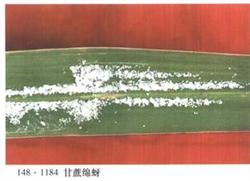
What to Do About Phosphorus Deficiency in Sugarcane? Symptom Identification and Control Methods
In the mid-to-late growth stages of sugarcane in Jinggu County, it is prone to damage by sugarcane woolly aphids. If control is not timely, it can cause severe yield reduction in sugarcane. Sugarcane woolly aphids gather on the back of leaves along both sides of the midrib, sucking sap, causing sugarcane leaves to wither and yellow, and excrete honeydew on the leaves, inducing sooty mold, affecting normal leaf photosynthesis...
-
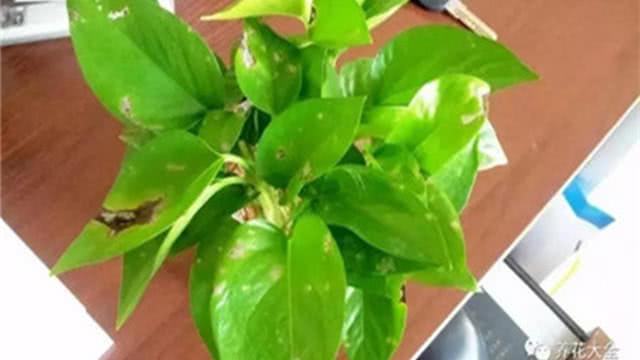
What to Do About Rotten Leaves on Pothos? Just Control Watering and It Will Grow Green and Fill the Pot
There are many reasons why pothos leaves rot: if it is caused by overwatering, it needs to be placed in a spot with light and good ventilation, and the amount of watering should be slightly reduced. If it is caused by poor ventilation, you need to open the windows for ventilation, and close the windows at night in winter. If it is caused by cold damage,...
-
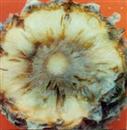
What are the control methods for pineapple fruitlet brown rot?
Pineapple fruitlet brown rot, also known as black heart disease, is a disease that occurs commonly in pineapple-growing regions worldwide, and is more prevalent in Cayenne-type pineapples. The disease mainly affects ripe fruit. Symptoms: the appearance of affected fruit is no different from healthy fruit, but symptoms can be seen when cut open. Infected fruitlets turn brown or form black...
-
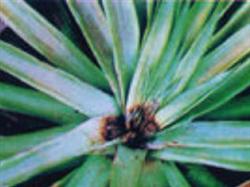
How to prevent and control pineapple heart rot? Introduction to practical methods
This disease mainly affects seedlings, but can also affect mature plants. In affected plants, the leaves are still greenish at first, only slightly darker and duller in color, while the central leaves are yellowish-white. Afterward, the leaf color gradually turns yellow or reddish-yellow, the leaf tips dry up, and a water-soaked rotting area develops at the leaf base. The most important characteristic of this disease is that the central leaves can be pulled out easily....
-

Which chemical agents give good control results against pineapple heart rot?
This disease mainly affects seedlings, but can also affect mature plants. In affected plants, the leaves are still greenish at first, with only a slightly darker, lusterless leaf color, and the central leaves are yellowish white. After that, the leaf color gradually turns yellow or reddish yellow, the leaf tips dry up, and a water-soaked rotting surface develops at the leaf bases. The most important feature of this disease is that the central leaves can be pulled out easily....
条件筛选