Methods and Technical Key Points for Controlling Root Rot in Papaya Seedlings
Papaya is a subtropical crop, propagated by seedlings and transplanting. Analysis suggests the main causes of root rot at the seedling stage are: water accumulation in the seedbed after rain, excessively high fertilizer concentration during the seedling stage, nematode invasion of the roots, and infection by root rot pathogens. Control measures: 1. The papaya root system carries out respiration in the soil. Under oxygen-deficient conditions, anaerobic respiration...
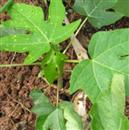
Papaya is a subtropical crop, propagated by seedlings and transplanting. Analysis suggests the main causes of root rot at the seedling stage are: water accumulation in the seedbed after rain, excessively high fertilizer concentration during the seedling stage, nematode invasion of the roots, and infection by root rot pathogens.
Control measures:
1. The papaya root system carries out respiration in the soil. During anaerobic respiration under oxygen-deficient conditions, biochemical reactions inside the root system produce methanol (alcohol), and root rot occurs due to alcohol poisoning. This phenomenon is mostly caused by water accumulation in the seedbed or soil compaction leading to insufficient air and oxygen deficiency in the soil. When preparing the seedbed, drainage ditches between the beds should be properly opened to prevent the seedbed from being flooded after rain.
2. Papaya seedling roots are young and tender, so a dilute concentration is best when fertilizing. Too high a concentration easily makes it impossible for the young roots to absorb, and instead causes the free water in the young root cells to seep outward, leading to dehydration and death, which in turn causes root rot. This is what farmers often call "the crop being burned to death by fertilizer."
3. After papaya seedling roots are damaged by nematodes, the internal tissues of the young roots are destroyed, hindering the absorption and transport of nutrients to the plant, and tumor-like swellings of varying sizes appear on the roots, leading to root rot. When discovered, spray with 70% propamocarb 600-fold solution or 70% chlorothalonil 800-fold solution.
4. The occurrence of root rot disease is what causes root rot in seedlings. When it occurs, spray with 25% triadimefon 5-6 g per mu diluted with water at 500-700 times.