What to Do About Phosphorus Deficiency in Sugarcane? Symptom Identification and Control Methods
In the mid-to-late growth stages of sugarcane in Jinggu County, it is prone to damage by sugarcane woolly aphids. If control is not timely, it can cause severe yield reduction in sugarcane. Sugarcane woolly aphids gather on the back of leaves along both sides of the midrib, sucking sap, causing sugarcane leaves to wither and yellow, and excrete honeydew on the leaves, inducing sooty mold, affecting normal leaf photosynthesis...
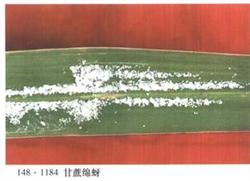 1. Symptoms of phosphorus deficiency in sugarcane: The root system is underdeveloped, growth is slow, and tillering is sparse. Aboveground growth is poor, sugarcane nodes are short and small, leaves are initially distinctly green-blue, later turning yellow-green, leaf tips and margins dry up, and some leaves may show distinct purple coloration and an abnormally upright posture. When phosphorus deficiency is severe in sugarcane, plant leaves are very narrow and produce large numbers of white spots and freckles.
2. Control methods:
1. Apply phosphorus fertilizer early, preferably as a base fertilizer at planting time.
2. Cultivate (hoe) earlier and increase phosphorus fertilizer application. When applying, place it as close to the root system as possible so that sugarcane can absorb it easily.
3. Where conditions permit, soil testing and fertilizer recommendation can be carried out. When the concentration of phosphoric acid in the soil already meets the needs of sugarcane, applying phosphorus fertilizer is useless; while slightly acidic soil can increase the solubility of phosphorus, so applying phosphorus fertilizer is effective. In acidic soil, applying slightly alkaline calcium magnesium phosphate fertilizer is better than using superphosphate.