-
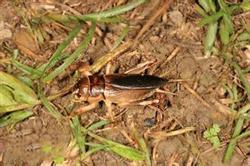
Occurrence, Damage Characteristics and Control Methods of the Peanut Field Cricket
What are the characteristics of the damage caused by the field cricket on peanuts? How to control it? (1) Morphological characteristics: The field cricket is commonly known as the large mole cricket, big-headed cricket, etc. ① Adult: body length about 41 mm, width 13 mm, body yellow, brown, or dark brown. Between the compound eyes there is a "Y"-shaped shallow groove. The pronotum is well developed, with a distinct longitudinal groove, and on both sides there are peach-colored patches of a lighter shade...
-
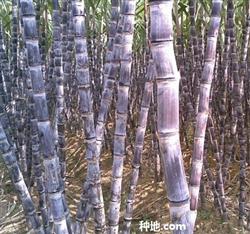
Control Methods for Mosaic Virus Disease in Black-Skinned Chewing Cane
How should black-skinned sugarcane be given micronutrient fertilizers? Please advise. A major reason for the low yield and poor quality of continuous cropping of chewing cane is the lack of medium and trace elements such as magnesium, silicon, calcium, zinc, boron, iron, molybdenum and manganese in the soil, resulting in an insufficient supply of medium and trace elements, which causes poor growth of chewing cane, not only stunted plants and shortened internodes...
-
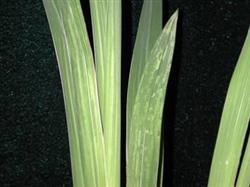
Control methods and technical key points for Lily symptomless virus
Lilies originate in China. They are distributed across the southeast and southwest, as well as Henan, Hebei, Shaanxi and Gansu, with wild and cultivated forms found in various places, mainly used as cut flowers and for garden planting as potted ornamentals. The bulbs are used for food and medicine, the fresh flowers contain aromatic oil used as a fragrance, and the fruits are eaten. A cold-hardy, autumn-planted scaly bulbous herbaceous flower. There are quite many cultivated varieties; besides white, the flowers also come in yellow, red, pale red, variegated and other colors.
-
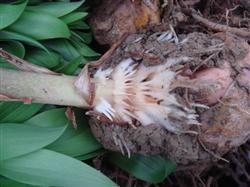
Symptom Identification and Control Methods for Rhizoctonia Disease in Lilies
Symptoms: If the infection is mild, it only affects the leaves in the soil and the green leaves at the lower part of young shoots, and sunken light brown spots appear on the leaves. Generally speaking, although the growth of the plant is somewhat affected, it can still continue to grow. In severely infected plants, aboveground growth is hindered, and the white underground leaves as well as the lowest aboveground leaves will rot or wilt and fall off, leaving only brown scars on the stems.
-
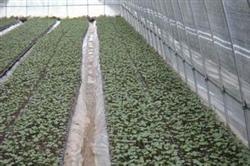
What are the control methods for boll shedding in cotton?
The reasons for the high or low emergence rate of cotton are, generally speaking, manifold: they include the effect of the weather during the previous year's cotton harvest season on the maturity of the cotton, as well as whether the cotton seedling-raising techniques were properly matched. As for the climatic conditions of the previous year, the weather during the cotton harvesting period was, on the whole, fairly good, which was favorable for the maturation of cotton seeds...
-
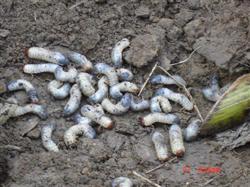
Control methods for underground pests in sugarcane cultivation
How to control underground pests in sugarcane cultivation? Please advise. Underground pests of sugarcane are a major group of important pests seriously harming sugarcane production in Yunnan, mainly including: sugarcane beetles, sugarcane weevils, stem-boring weevils, sugarcane termites, sugarcane root aphids, etc. Among them, sugarcane beetles, sugarcane weevils and stem-boring weevils are the most common and cause the most serious damage...
-
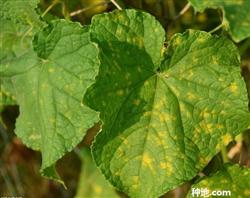
How to prevent cucumber downy mildew? Master these control methods
How to prevent cucumber downy mildew? Please explain that cucumber downy mildew is one of the most common and most serious diseases occurring on cucumber. It can occur throughout the entire growth period of cucumber and mainly damages the leaves. After the leaves are affected, water-soaked light green spots first appear and gradually turn yellow-green and yellow. It occurs in all parts of our city and causes great...
-

How to prevent and control cucumber diseases? Sharing practical prevention and control methods
How do you lower the vines when growing cucumbers in a greenhouse? Please provide guidance on lowering greenhouse cucumber vines at the right time to reduce plant height, allow the leaves to be distributed evenly, maintain a reasonable position for light exposure, strengthen cucumber growth vigor; this is one of the important companion measures for achieving high-yield, efficient, and high-quality greenhouse cucumber cultivation. First, remove diseased leaves, old leaves...
-
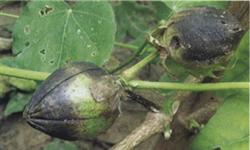
What are the control methods for cotton boll rot?
1. Poor light is suitable for the rapid infection and spread of pathogens, and the disease is often severe, with cotton boll rot also being relatively serious. Types of cotton boll diseases: cotton boll rot is caused by infection and damage to cotton bolls by multiple pathogens. In cotton-growing areas of our province in years with abundant summer and autumn rain, cotton fields have relatively high humidity, heavier closure, and ventilation and light penetration account for 28.3% of boll diseases. In our province, the number of rainy days and rainfall in late August...
-
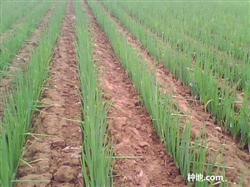
How to prevent and control waterlogged root rot in Welsh onions? These methods you need to master
What methods can increase the yield of Welsh onions? Please advise. To increase the yield of Welsh onions, you can refer to the following methods: 40-50 days after planting Welsh onions, the root system has basically recovered and begins to enter the vigorous growth period of the leaves. In terms of technical management measures, it is necessary to shift from mainly promoting root growth in the early stage to mainly promoting stem and leaf growth. To improve the...
条件筛选