What are the control methods for cotton boll rot?
1. Poor light is suitable for the rapid infection and spread of pathogens, and the disease is often severe, with cotton boll rot also being relatively serious. Types of cotton boll diseases: cotton boll rot is caused by infection and damage to cotton bolls by multiple pathogens. In cotton-growing areas of our province in years with abundant summer and autumn rain, cotton fields have relatively high humidity, heavier closure, and ventilation and light penetration account for 28.3% of boll diseases. In our province, the number of rainy days and rainfall in late August...
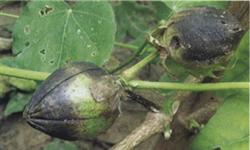
1. Poor light is suitable for the rapid infection and spread of pathogens, and the disease is often severe, with cotton boll rot also being relatively serious. Types of cotton boll diseases: cotton boll rot is caused by infection and damage to cotton bolls by multiple pathogens. In cotton-growing areas of our province in years with abundant summer and autumn rain, cotton fields have relatively high humidity, heavier closure, and ventilation and light penetration account for 28.3% of boll diseases. In our province, the number of rainy days and rainfall in late August are the key factors affecting the occurrence of cotton boll blight. If there are 3-5 days of overcast and rainy weather during this period, the disease will occur more severely. Extensive cotton field management, delayed topping or chemical control measures, and excessive vegetative growth of plants all favor the occurrence of the disease.
2. Control methods for cotton boll rot
1. Reasonable fertilization: Increase the application of organic fertilizer and phosphorus and potassium fertilizer, apply nitrogen fertilizer in appropriate amounts, prevent excessive vegetative growth of cotton plants, reduce cotton field closure, and improve ventilation and light penetration.
2. Reasonable pruning: For cotton fields with too narrow row spacing and early row closure, in order to reduce excessive field shading and improve light conditions and ventilation in the middle and lower parts, the side tips should be removed as early as possible, which can reduce square and boll shedding and boll rot.
3. Chemical control: Chemical control is an important measure in the integrated control of cotton boll rot, and targeted fungicide spraying should be carried out. In August-September, when the weather forecast predicts several consecutive days of overcast and rainy weather, spraying should be carried out promptly for protection. Spraying should be concentrated on the middle and lower parts of the cotton plants. Commonly used agents include carbendazim 1000-fold solution, 80% penconazole wettable powder diluted 500-600-fold, 70% chlorothalonil wettable powder diluted 500-fold, etc.