-
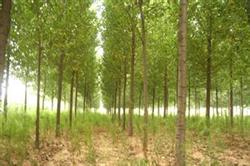
Poplar Pest Control Methods and Key Technical Points
Poplar pests can be divided into the following major categories based on their mode of damage and the corresponding control measures: 1. Leaf-eating pests: mainly including Clostera anachoreta (poplar prominent moth), Micromelalopha troglodyta (poplar small prominent moth), Cerura menciana (poplar two-tailed prominent moth), Botyodes diniasalis (poplar yellow leaf-roller), slug moths, and scarab beetles. Poplars from the seedling stage to the timber stage are all damaged by the above pests, which feed and cause leaf defects or completely strip the foliage...
-
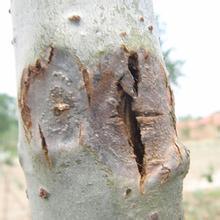
Common Poplar Pest Control Methods and Technical Key Points
In recent years, poplar canker disease has occurred widely, with incidence rates reaching over 30% in severely affected plots. Canker disease severely weakens tree vigor and inhibits growth. If not controlled in time, it will inevitably cause significant economic losses to growers. Disease symptoms: Canker disease mainly affects the trunk and is a chronic disease. In the early stage, on the bark...
-
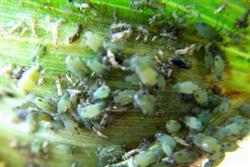
How to control sorghum aphids? These methods you need to know
How to control sorghum aphids? Please give me some guidance. The control methods for sorghum aphids can refer to the following: ① Detect early and control early: when aphids occur in spots and patches, eliminate them promptly to prevent spread. In the early stage, you can simply wipe off the aphids by hand; when severe, use pesticides for control. ② Chemical control methods: A. Dusting: at the seedling stage, use 2.5 kg of 1.5% dimethoate powder per mu; 2 to 3 kg of 1.5% 1605 powder. B. Spraying: use 50 to 70 L of a 1500-fold dilution of 40% dimethoate emulsifiable concentrate per mu; 500 mL of 25% methamidophos emulsifiable concentrate, add 500 to 750 L of water, with a per-mu dosage of 75 L (Note: this pesticide is a highly toxic pesticide, strictly follow the operating procedures, stop using it 28 days before harvest, do not mix it with alkaline pesticides, and wash the equipment clean after use); 0.01 to 0.02 kg of 50% pirimicarb wettable powder, diluted with 30 to 50 L of water (do not let it contact human skin, and do not mix it with strong acids or strong alkalis); 20 mL of 30% omethoate emulsifiable concentrate, diluted with 75 L of water, spray the plants during the occurrence period. C. Smearing on plants: use a 50- to 100-fold dilution of 40% omethoate emulsifiable concentrate, and smear it on the 3rd to 4th nodes at the base of the sorghum (about 17 cm). In the later stage, when the plants age, it is not suitable to use. D. Fumigation to kill aphids: use 0.2 to 0.3 kg of 5% 3911 granules per mu, mix with 2 kg of sand and soil, and apply the pesticide to one ridge every 12 ridges, which can fumigate and kill aphids.
-
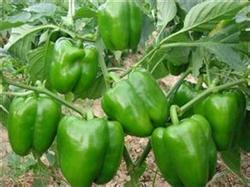
What are the control methods for sweet pepper plant death
What controls sweet pepper plant death? Please introduce the control methods. 1. Main causes of sweet pepper plant death: First, the soil temperature is too high within 0-15 cm of the topsoil near the root system; second, the soil moisture is too heavy within 0-20 cm of the topsoil near the root system. As long as one condition is met, a small number of plants will die; if both...
-
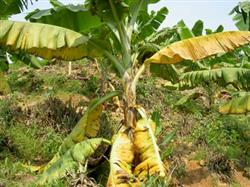
Detailed Explanation of Common Banana Diseases and Control Methods
What diseases affect bananas and how are they controlled? Please give an introduction. For what diseases affect bananas and how are they controlled, you can refer to the following: Bunchy top disease: Banana bunchy top disease, commonly known as "jiaogong", "xiacao" or "congcao", is a serious worldwide banana viral disease. The typical symptom is that on the underside of diseased leaves, along the lateral veins and the base of the petiole or midrib, some...
-
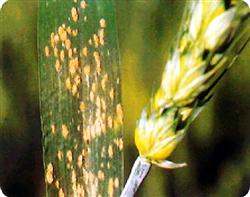
Detailed Explanation of Wheat Pest and Disease Control Methods
How to control wheat pests and diseases? Please provide guidance and an introduction. For controlling wheat pests and diseases, you can refer to the following control methods: Stripe rust: In early spring, adopt the strategy of "detect one spot, treat a whole patch," carrying pesticide during scouting and blocking the center of infection; in spring, combine spot treatment with general treatment, and for severely affected fields and fields with susceptible varieties, carry out a second spray treatment depending on the condition...
-
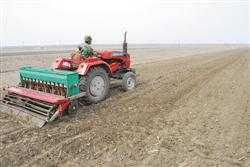
A Detailed Guide to Pest and Disease Control Methods for Autumn-Sown Wheat
How do you prevent pests and diseases in autumn-sown wheat? Please provide guidance. The autumn sowing period is the foundation and key to doing a good job of wheat pest and disease control. We hope farmers will seize this favorable opportunity of autumn sowing, adopt effective measures, and do a good job of controlling underground pests, wheat powdery mildew and other pests and diseases, striving to eliminate wheat pests, diseases and weeds in the bud...
-
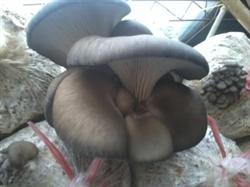
What types of deformed oyster mushrooms are there? Detailed explanation of prevention and control methods
Deformed mushrooms are a relatively common physiological disorder in oyster mushroom production, seriously affecting the yield and quality of oyster mushrooms, and even causing them to completely lose their commercial value. This disorder is mainly caused by improper management, and in a few cases by spawn degeneration, mutation, or viral infection. The main types of deformed mushrooms include: 1. Tall-stemmed mushroom, with a small cap...
-
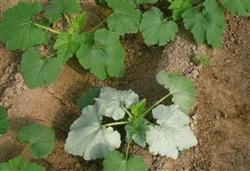
What are the control methods for silverleaf disease in zucchini?
How do you control silverleaf disease in zucchini? What does silverleaf disease look like? Affected zucchini plants show weak growth, a shorter plant type, drooping leaves, wrinkled leaves at the growing point, and a semi-dormant state, with shortened internodes on the upper stem; the stems, young leaves, and petioles of functional leaves become chlorotic, leaf chlorophyll content decreases, and leaves initially appe...
-
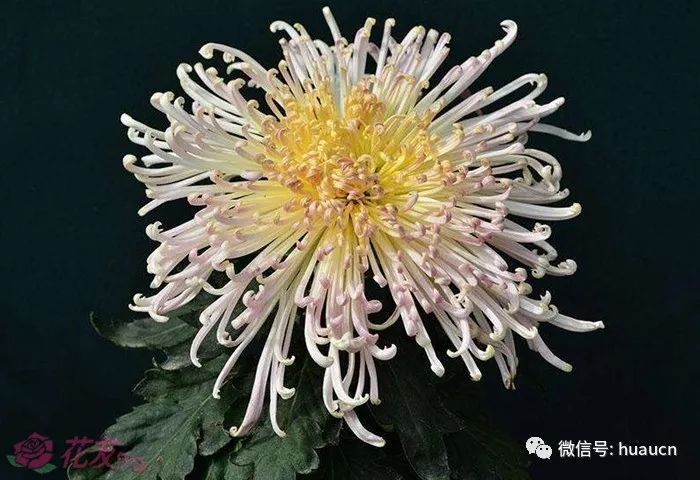
Chrysanthemums, jasmine, and Chinese roses easily attract three kinds of pests: flower pest and disease prevention and control methods
Many people like to grow some flowers and plants indoors, which both greets the environment and cultivates their interests. But flowers and plants are not only somewhat delicate to grow, they are also very easily "favored" by small insects, which is annoying and also quite frustrating. Let me introduce to flower lovers several kinds of flower...
条件筛选