-
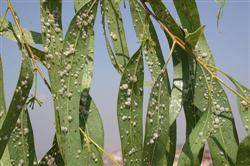
Eucalyptus Pest and Disease Control Methods and Key Practical Techniques
The main pests and diseases of eucalyptus include: bacterial wilt, leaf blight (commonly known as defoliation disease), eucalyptus seedling stem rot, eucalyptus leaf roller, termites, and scarab beetles, etc. (1) Bacterial wilt: When the bacterial wilt pathogen infects young trees in the forest, the above-ground symptoms can be divided into two types. The first is the acute type, in which the leaves of the diseased plant rapidly lose water and wilt, hanging on the branches without falling off, showing the typical "green wilt" symptom. For this type of diseased plant, the time from onset to the death of the whole plant is relatively short, generally only 2-3 weeks. The second is the chronic type, in which the diseased plant shows stunted growth, dwarfism, and the lower leaves first turn purplish-red, then gradually deepen and spread upward, and finally the leaves dry up and fall off. Some stems and side branches develop irregular dark brown necrotic spots, and in severe cases the entire plant dies. For this type, the time from onset to the death of the whole plant is relatively long, generally 3-6 months. Eucalyptus bacterial wilt is prone to epidemic outbreaks under high temperature and high humidity. Root collar injury, surface runoff, and root-to-root contact between plants are the main pathways for pathogen invasion and spread. Control measures: select disease-resistant strains; carry out quarantine of seedlings before leaving the nursery, and try to avoid bringing diseased seedlings to the plantation; also try to avoid establishing eucalyptus plantations on forest land that is likely to carry Pseudomonas solanacearum (soil where peanuts, tobacco, potatoes, tomatoes, mulberries, kapok, beefwood, and canna have been planted); do not apply undecomposed organic fertilizer; strengthen tending and management to improve tree disease resistance. After a plant becomes diseased, there is still no proven effective control method; once discovered, the only option is to immediately pull it out roots and all, spread lime on the soil in the planting hole for disinfection, and destroy the diseased plant.
-
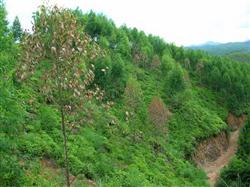
What are the control methods for bacterial wilt in eucalyptus?
Bacterial wilt of eucalyptus and its control. Bacterial wilt of eucalyptus, caused by Ralstonia solanacearum (Smith) Yabuuchi, is a bacterial wilt disease that seriously harms eucalyptus in South China. In the early stage of infection, seedlings generally become wilted, followed by leaf blight, and the seedlings die rapidly; the roots of diseased plants become necrotic, appear water-soaked, and have...
-
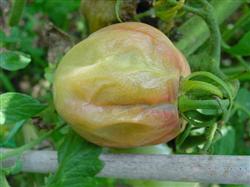
What are the control methods for autumn tomato fruit rot?
What methods can prevent autumn tomato fruit rot? Please explain. Fruit rot during the fruiting stage of autumn tomatoes is mainly caused by soft rot, brown rot, and anthracnose. Strengthening scientific management and preventing these three diseases are effective ways to control fruit rot. 1. Management on sunny days. In general, tomato fruit rot is caused by pathogen infection...
-
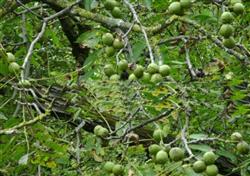
Pecan Pest and Disease Control Methods and Key Technical Points
How do you control pests and diseases in pecans? Please provide guidance. The methods for controlling pecan pests and diseases can refer to the following: Pecan seedlings have many pests and diseases. Common pests include aphids, scarab beetle larvae, and cutworm larvae, while the main disease is root rot. In controlling pests and diseases, grasp the principle of "prevention is more important than cure, with prevention as the priority"...
-
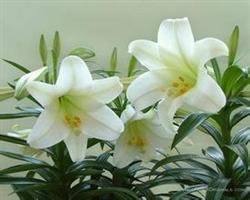
Cut Lily Disease Prevention and Control Methods and Key Technical Points
I. Lily blight 1. Symptoms: Stems, leaves, flowers and scales can all be affected, mainly the tender leaves of the flowers. When leaves are affected, small water-soaked spots appear, which gradually expand and turn grayish-green. When the stem is affected, the water-soaked discolored area spreads upward and downward and rots, further developing into bending and drooping of the stem. In severe cases, the flowers...
-
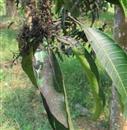
How to prevent and control mango sooty mold? Introduction to practical methods
What is mango sooty mold? How to prevent and control this fungal disease. Currently, 6 pathogens causing mango sooty mold have been identified in China. It damages leaves, branches and shoots, and fruit, affecting leaf photosynthesis and fruit appearance. Control methods: First, rational close planting and pruning to keep the canopy well ventilated and exposed to light. ...
-
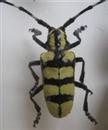
What are the control methods for the mango stem borer (Rhytidodera simulans)?
Distribution and damage: it occurs both domestically and abroad, with varying degrees of occurrence in Yunnan, Guangdong, Guangxi, Fujian and other areas of China. The larvae bore into and feed on the branches of fruit trees such as mango and cashew, usually entering through young branches and gradually boring downward into larger branches and the trunk, seriously affecting the growth vigor of the plant and ultimately causing the death of the entire plant....
-
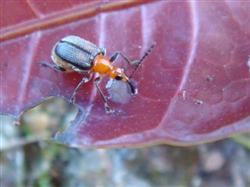
What are the control methods for mango weevil infestation?
1. The mango leaf-cutting weevil is widely distributed. Adult beetles feed on tender mango leaves, causing the leaves to dry up; or the female lays eggs on tender leaves and bites the tender leaves off at the base, affecting plant growth. Control methods: ① During the period of new shoot growth, pick up the bitten-off fallen leaves from affected plants once every 3 days, dry them in the sun and burn them to kill the larvae;...
-
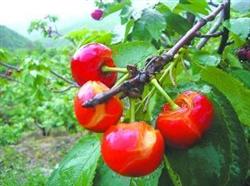
How to Prevent Fruit Cracking in Sweet Cherries: A Detailed Guide to Practical Control Methods
Cherries are prone to cracking in rainy weather. What methods can prevent fruit cracking in sweet cherries? When cherries are exposed to rain close to maturity or before harvest, fruit cracking occurs. This problem is widespread in cherry-producing regions of China and brings huge losses to fruit growers every year. Methods such as spraying mineral substances, hormones and other protective agents to prevent fruit cracking have an effect of only about 1%-3%; breeding excellent crack-resistant rootstocks and varieties is an effective measure, but so far there are still no highly resistant rootstocks and varieties available for selection; flood irrigation of the cherry orchard 24 hours before rain can reduce the fruit cracking rate of sweet cherries by 30%, but because weather changes cannot be accurately predicted, fruit growers cannot accurately apply this technique; the trunk girdling technique at full bloom stage has a very significant effect on preventing fruit cracking, but it often easily causes heavy gumming and tree death due to heavy fruit load or weak tree vigor. Aiming at the main problems in sweet cherry production, this study controlled the fruit cracking rate of sweet cherries within 0.3% at low cost by building simple "rain shelters" for sweet cherries.
-

Harm and Control Methods of the White-Spotted Flower Chafer on Sunflowers
Damage characteristics: The 1st-2nd instar larvae feed on the tubular flowers; after the 3rd instar they bore along the gaps between the sunflower seeds and feed on the seeds, eating part or all of the seed kernel, resulting in empty shells or bored seed heads. They bore many tunnels in the flower head and spin silk webs on the seeds of the head, binding together insect droppings and debris, forming a felt-like mass. The damaged flower heads mostly rot and become moldy, ...
条件筛选