-
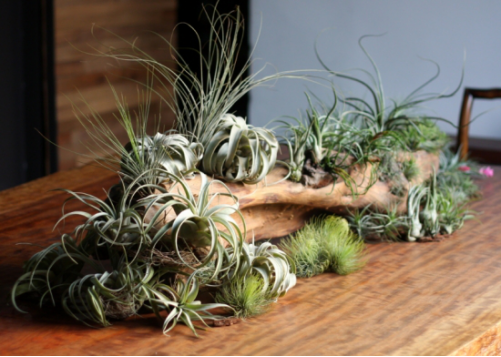
How to grow air plants? Detailed guide to cultivation methods and precautions
Cultivation environment temperature: 15°C to 25°C is the standard. In winter, above 5°C. In summer, if the temperature must not exceed 25°C, if it exceeds this, ventilation and sprinkling/watering need to be increased. Water: generally water once or twice a week. In addition, air plants have high requirements for air humidity, and misting is also very important
-
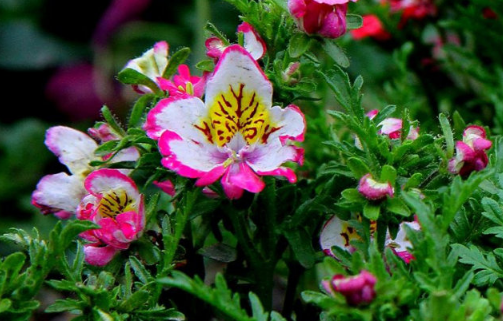
How to Grow and Care for Schizanthus pinnatus: Methods and Precautions
Pot and Soil Selection Schizanthus pinnatus has its own requirements when it comes to planting. It is best to choose a 10-15 cm pot. When transplanting seedlings, remember to keep soil around the roots. The soil should be loose, airy, fertile and well-draining. You can mix this kind of soil yourself according to the proportions, but if you find that too troublesome
-
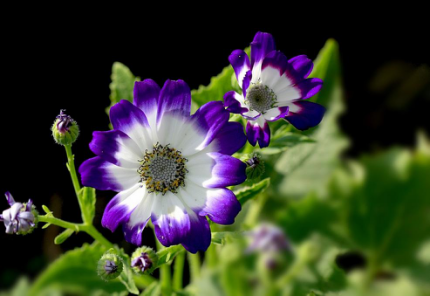
How to grow cineraria? Detailed guide to cultivation methods and precautions
1. Sunlight: Cineraria likes to grow in cooler places and has low tolerance for high temperatures, so it should not be left in direct sunlight for long periods in daily care and needs appropriate shading. 2. Temperature: For temperature, keeping it at around 15°C in daily care is best; too high a temperature will cause water to evaporate too quickly
-
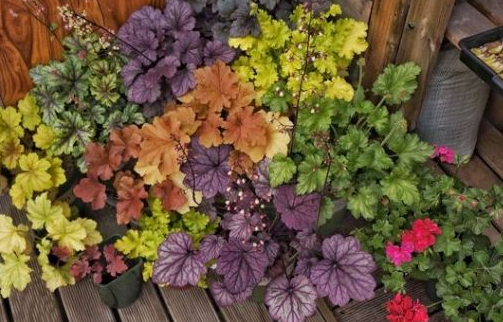
How to Grow Coral Bells (Heuchera)? Detailed Care Methods and Precautions
1. Growing environment. Coral bells like to grow in a warm, humid and well-ventilated growing environment, and they are also very cold-hardy and fairly shade-tolerant, but they love sunlight very much. During their growing period, they must be given enough sunlight so that they can grow well. Another point is
-
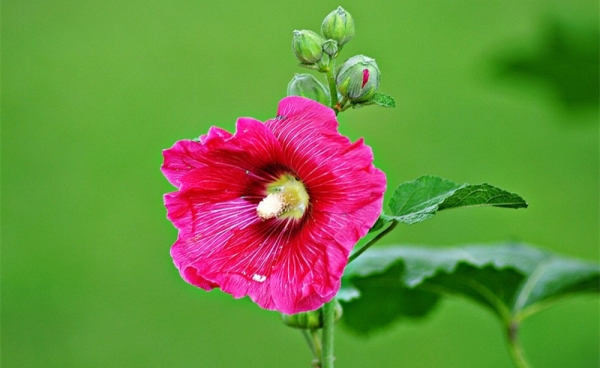
How to grow hollyhocks? Detailed guide to cultivation methods and precautions
Soil: Hollyhocks have a relatively strong tolerance to salt and alkali, so it is best to plant them in loose, fertile, sandy soil with good drainage. Watering: Hollyhocks have a relatively high demand for water during the flowering period, so we need to water appropriately to keep the soil moist and help prolong the flowering period. Temperature: The suitable temperature for hollyhock growth is 25 to 30 degrees
-
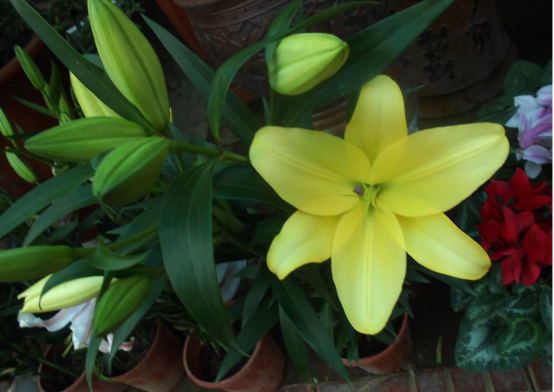
Lily Cultivation Methods and Precautions
Environment and Soil: Lilies do best in well-drained, humus-rich sandy soil, ideally acidic soil, which supports healthier growth. Temperature: The ideal temperature for growing lilies is 16-24°C; if it drops below 5°C or rises above 30°C, lilies will stop growing
-
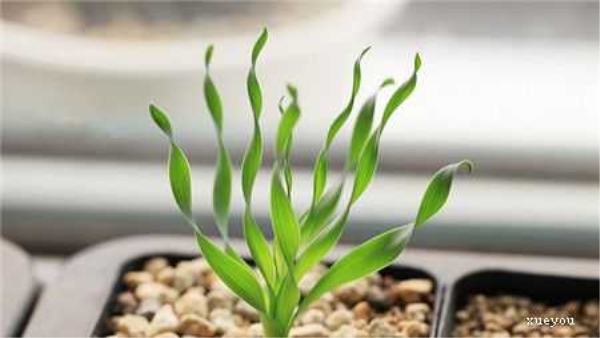
What are the precautions for growing Albuca spiralis?
During the growing period, Albuca spiralis has a relatively high demand for nutrients, so we need to apply a thin, well-rotted liquid fertilizer once a month to promote vigorous plant growth. When it blooms in spring, some phosphorus fertilizer can be sprayed to encourage flowering. The above is an introduction to the growing methods and precautions for Albuca spiralis
-
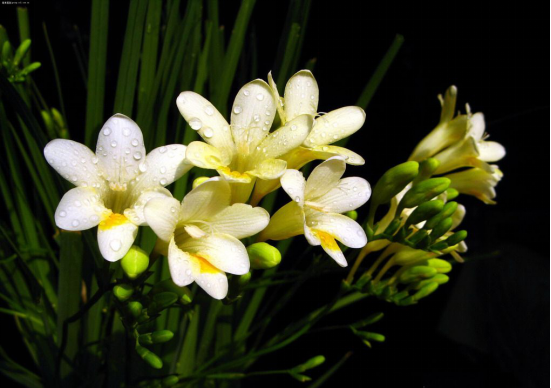
How to grow freesia? Detailed guide to cultivation methods and precautions
Soil Freesia grows best in loose, sandy soil with strong water retention and good drainage. Before planting freesia, the soil should be drenched and disinfected with a solution of quintozene, methyl bromide and carbofuran mixed in proportion, then left for a week after disinfection before use. Corm treatment Before planting, it is not only the soil that needs disinfecting
-
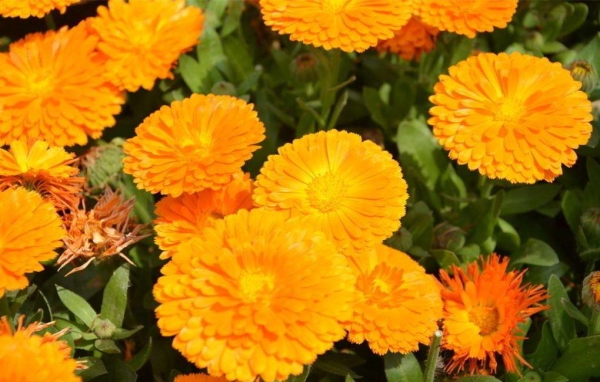
Calendula (Pot Marigold) Growing Methods and Precautions
Soil: Calendula does not have strict soil requirements and prefers to grow in fertile, well-drained alkaline sandy soil. The soil pH is best around 6-7. Sufficiently fertile soil ensures that calendula will branch more and bloom more. Light: Calendula prefers to grow in an environment with ample sunlight, but high-temperature environments should be strictly avoided.
-
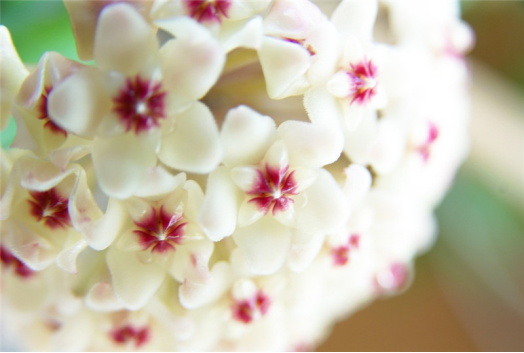
How to Grow Hoya? Detailed Guide to Cultivation Methods and Precautions
1. Choose a suitable growing environment. Hoya cannot be exposed to harsh sun or lack light; the most suitable temperature range is between 10°C-38°C, and it needs a trellis to climb and grow. 2. Choose a growing pot. It is best to use a small flower pot so that Hoya can fill the pot with roots as early as possible. 3. Watering scale. Hoya itself is succulent and holds a lot of water
条件筛选