What are the precautions for growing Albuca spiralis?
During the growing period, Albuca spiralis has a relatively high demand for nutrients, so we need to apply a thin, well-rotted liquid fertilizer once a month to promote vigorous plant growth. When it blooms in spring, some phosphorus fertilizer can be sprayed to encourage flowering.
The above is an introduction to the growing methods and precautions for Albuca spiralis. Have all you flower lovers learned it? If you want to learn more, please follow Four Seasons Plants Network!
How to grow Albuca spiralis? Growing methods and precautions for Albuca spiralis
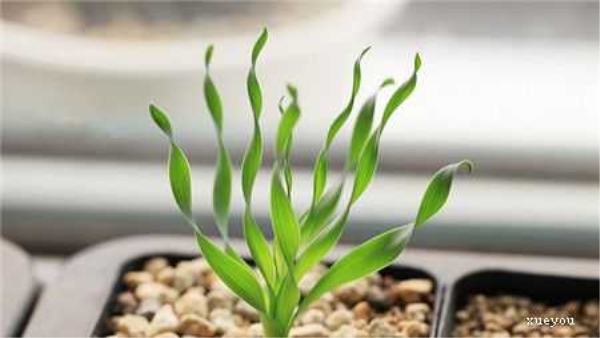
Albuca spiralis
[Common questions] How to grow Albuca spiralis? What are the growing methods and precautions for Albuca spiralis?
[Expert answer] Thekey points of Albuca spiralis growing methods and precautions are as follows:
1. Temperature:It can overwinter safely at no lower than 5°C.
2. Light:Albuca spiralis loves light, and during the growing period it should be given sufficient light. If the light is insufficient, the leaves will be thin and weak, and the degree of curling will be poor, making it hard to bring out the unique charm of Albuca spiralis. In contrast, plants grown in a sunny spot have short, thick leaves that spiral and twist, giving them high ornamental value. However, after April, a shade net should still be set up to avoid scorching sun and prevent the leaf tips from drying up.
Albuca spiralis
3. Water and fertilizer:Albuca spiralis likes a moist environment. During the growing period, the soil should be kept moist but not waterlogged. If there is long-term drought and lack of water, although the plant will not die, its growth will stall, the leaves will turn yellow, and they may even wither; if the potting soil is waterlogged for a long time, it will cause the bulb to rot. You can often spray water on the plant to increase air humidity and prevent the leaf tips from drying up. In summer, to avoid being flooded during the rainy season, you can place the flowerpot on a rack or on a stand of a certain height, and pay attention to controlling watering to prevent the bulb from rotting due to waterlogging, but do not let the potting soil dry out completely either, so as to avoid the bulb drying up. From October each year to April of the following year is the period of vigorous plant growth. Apply a well-rotted thin liquid fertilizer or compound fertilizer once a month to provide sufficient nutrients and make the plant grow vigorously. After the flower scape emerges in spring, spray a 0.5% potassium dihydrogen phosphate solution 2 to 3 times to promote flowering.
4. Pollination:After Albuca spiralis blooms, different plants should be selected for artificial pollination so that the plants set fruit. After the seeds mature, be careful to harvest them and do not let them scatter; if you do not want to keep seeds, promptly cut off the remaining flower stalks after flowering to avoid consuming too many nutrients.
5. Repotting:Albuca spiralis is generally repotted once a year at the end of August. The potting soil should be fertile and loose, rich in humus, and have good drainage and air permeability. It can be mixed from 3 parts leaf mold or peat soil and 2 parts vermiculite or sandy soil, with a small amount of bone meal added. When repotting, cut off the rotten roots. When planting, leave about 1/3 of the bulb exposed above the soil surface. After planting, water thoroughly and place it in a sunny spot for care. Afterward, be careful to keep the soil moist, and before long new leaves will grow from the top of the bulb.
[Editor's conclusion] Albuca spiralis is a plant that likes cool conditions and fears heat. In summer it enters dormancy, and from September to April of the following year is its growing period, but the winter temperature must not be lower than 5°C. The editor of First Agricultural Economics has given you a brief introduction to the specifics above, and I hope this article is helpful to you.
Growing methods and precautions for Albuca spiralis
Growing methods for Albuca spiralis
Light and temperature
Albuca spiralis likes light. If the light is insufficient, its leaves will become thin and weak, and the degree of curling will be poor, causing it to lose its ornamental value. Sufficient light, however, can meet the growth needs of Albuca spiralis, making it spiral and twist and giving it plenty of ornamental value. However, in summer a shade net needs to be set up for shading to prevent strong direct light from scorching the leaf tips. Albuca spiralis likes a somewhat cool environment and is relatively afraid of heat. Generally in winter the temperature can be kept above 10°C for normal growth, and it can overwinter safely at no lower than 5°C. In summer the plant begins to go dormant and the leaves dry up. It can be placed in a ventilated, dry place to pass the summer, and after autumn it can grow again and be managed normally.
Soil
Albuca spiralis likes fertile, loose soil and requires soil rich in humus. Generally, leaf mold or peat soil can be chosen and mixed with vermiculite and sand to ensure good drainage. Some bone meal can be added to the soil as a base fertilizer.
Water and fertilizer management
Albuca spiralis likes a moist growing environment. During the growing period, the soil should be kept moist but not waterlogged; waterlogging will cause the bulb of Albuca spiralis to rot, and care should be taken not to let it lack water, otherwise the Albuca spiralis plant will stall in growth and its leaves will turn yellow. You can often spray water on the Albuca spiralis plant to maintain relatively high air humidity, and drain promptly during the rainy season. As for fertilizing, during the vigorous growth period each year, apply a well-rotted thin liquid fertilizer once a month, which can make the plant grow vigorously. When it blooms in spring, some phosphorus fertilizer can be sprayed to encourage flowering.
Precautions for growing Albuca spiralis
Propagation
Albuca spiralis is generally propagated by sowing. After flowering, cross-pollination between different plants can be chosen so that they set fruit, and after the seeds are taken out they can be sown. Note that if you are not keeping seeds, then after Albuca spiralis blooms you can cut off the flower stalks to reduce nutrient consumption.
Repotting
Albuca spiralis needs repotting. The time for repotting is generally in August each year. When repotting, the roots need to be trimmed, and when potting, the bulb can be left exposed above the soil surface. After replanting, water thoroughly and place it in a sunny spot for care.