-
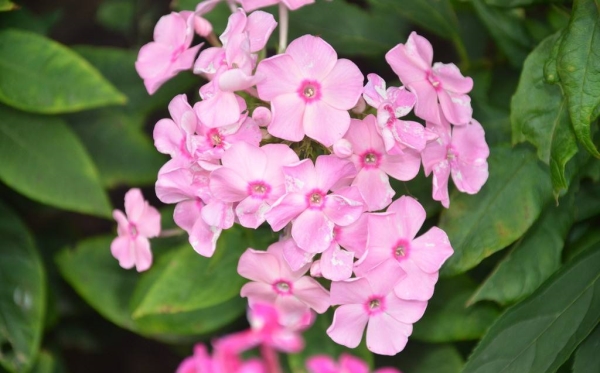
What care precautions are there for verbena?
Because verbena likes to grow in sunny, loose and fertile soil, it is best to grow it in an environment with plenty of sunlight. It loves a warm and humid climate, but is not tolerant of drought, so it needs frequent watering. It is not demanding about soil; in loose, fertile, fairly moist neutral soil it can root at every node.
-
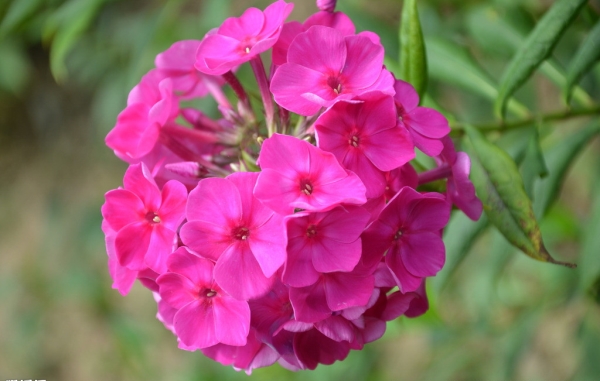
Detailed Guide to the Care Methods and Precautions for Verbena
Soil: Verbena likes to grow in fertile, sandy soil with good drainage. Light: Verbena is a semi-light plant and can be kept in shaded conditions. Avoid direct sun exposure, which will cause the leaves of verbena to become smaller, the internodes of the branches to shorten, and the lower leaves to turn yellow and fall off.
-
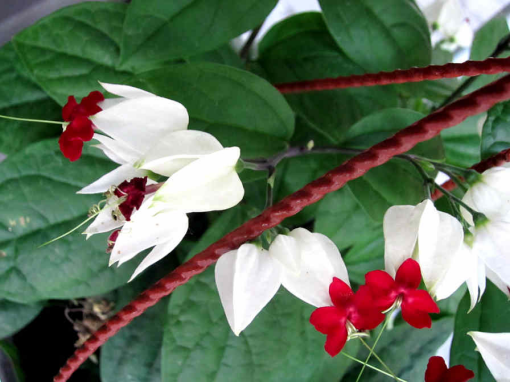
How to Grow Bleeding Heart Vine? Detailed Guide to Cultivation Methods and Precautions
Bleeding heart vine generally lives in a semi-shaded environment and likes warm, humid conditions, but is not cold-tolerant. Its optimum growing temperature is 18-24°C, so in winter the temperature must be maintained, and it is best moved indoors or into a greenhouse. 1. Watering During the growing period of bleeding heart vine, keep it frequently moist, but do not overwater; simply keep the potting soil moist.
-
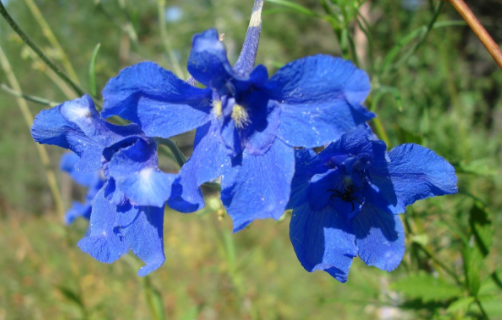
What are the precautions for growing larkspur?
Repotting: As the plant grows, the nutrients in the soil are gradually lost, which weakens the plant's growth, and at this point the plant needs to be repotted. Repotting is generally done once every 2-3 years. Pests and diseases: Larkspur can also be attacked by pests and diseases, the most common being black spot and rhizome soft rot.
-
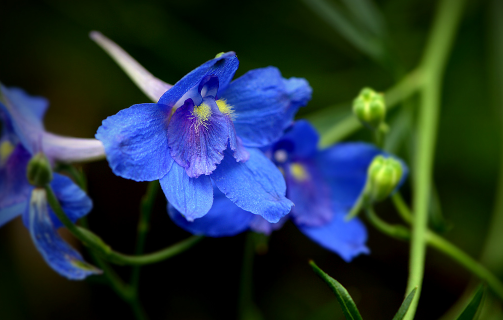
What are the cultivation methods and precautions for Delphinium grandiflorum
Fertilizing Delphinium grandiflorum requires different types of fertilizer at different stages. For example, before planting, organic fertilizer should be applied along with an appropriate amount of compound fertilizer as a base fertilizer; during the vegetative growth stage, nitrogen fertilizer needs to be added, as the Delphinium grandiflorum plant grows rapidly at this time, and timely nutrient supplementation can make the leaves large and deep green; during the flowering stage, phosphorus and potassium fertilizer should be supplemented in time
-

What are the precautions for growing Anemarrhena asphodeloides
Precautions for growing Anemarrhena asphodeloides
-
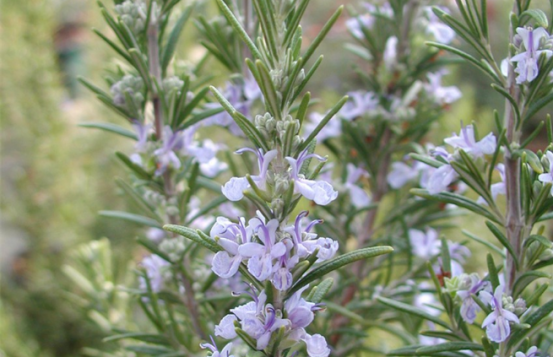
How to grow rosemary? Detailed guide to cultivation methods and precautions
1. Light and temperature. Rosemary likes a warm and suitable environment. In the south it can be grown year-round, while in the north it is mostly grown in pots, which makes it easier to move indoors in winter to keep warm. Rosemary likes sunlight and needs no less than 8 hours of sunlight per day. In summer, when temperatures are high, it can be shaded appropriately. 2. Soil
-
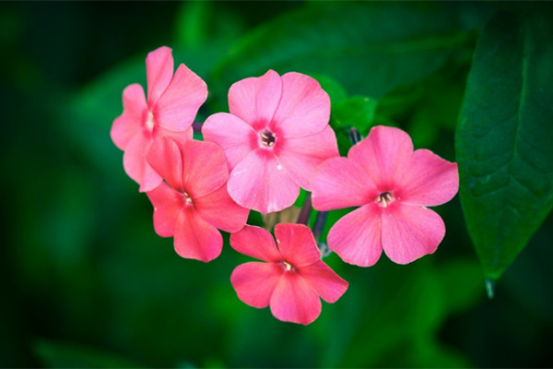
How to Grow Dipladenia? A Complete Guide to Growing Methods and Precautions
1. Flowering period The flowering period of dipladenia is mainly summer and autumn; with proper care, it can also bloom in other seasons. 2. Light Dipladenia prefers a warm, humid and sunny environment, and can also be placed in a slightly shaded spot, but insufficient light reduces flowering. The optimum growing temperature is 20-30°C
-

What are the precautions for growing sundews?
Propagation methods: To propagate sundews, leaf cuttings are generally used, but stem cuttings can also be used. Alternatively, the small bulbils on the plant can be removed and planted promptly, or the relatively simple method of seed propagation can be used for sowing.
-
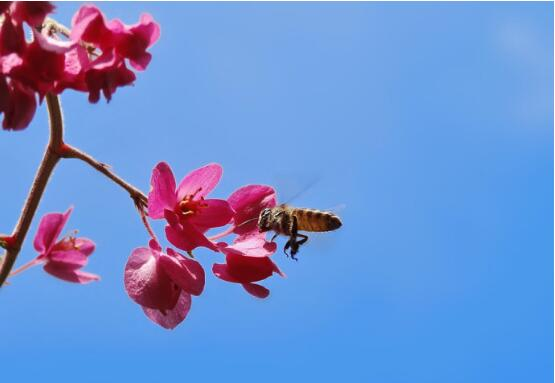
How to grow coral vine? A detailed guide to care precautions
Full sunlight. During the hot summer period, remember to place the coral vine under tree shade for care, but still ensure three to four hours of direct sunlight each day. Only in this way will the coral vine avoid leggy growth. If growing it as a potted plant at home, try to place the pot on a south- or west-facing balcony
条件筛选