Lily Cultivation Methods and Precautions
Environment
Soil: Lilies do best in well-drained, humus-rich sandy soil, ideally acidic soil, which supports healthier growth.
Temperature: The ideal temperature for growing lilies is 16-24°C; if it drops below 5°C or rises above 30°C, lilies will stop growing.
Light: Lilies love full sunlight. Too short a light period affects flower bud differentiation and also interferes with normal flower development, so it is best to place them in a spot with plenty of sunshine.
Watering: Keep the lily's potting soil moist. In summer and autumn, water once in the morning and once in the evening. In spring and winter, check the soil moisture before watering; if the soil is dry, water appropriately. When temperatures are high, mist around the plant to lower the temperature.
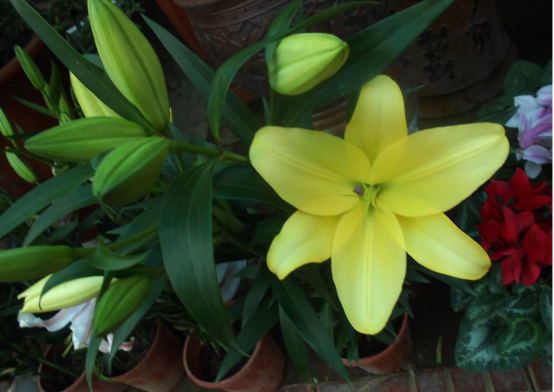
Common Diseases
Leaf spot: Brown spots appear on the leaves, and in severe cases the entire leaf turns black and the plant dies. Once spotted, immediately remove the diseased leaves and spray with zineb wettable powder.
Bulb rot: Brown lesions appear on the lily's bulb, and in severe cases it becomes rotten. After symptoms appear, spray with zineb.
Now that you know how to grow lilies, how do we get them to bloom more and more? Let's look at lily propagation methods together!
How to Grow Lilies, Lily Cultivation Methods
The lily symbolizes a harmonious union lasting a hundred years. For Chinese people who value good fortune, lilies are also common at wedding banquets. Now that spring has arrived, many people are starting to grow lilies, but lilies are not that easy to keep alive. Today I'll share with you how to grow lilies and lily cultivation methods.
The lily is a perennial herb of the Liliaceae family, native to China, Japan, Korea and elsewhere. It prefers moist conditions and light, and requires fertile, humus-rich, deep sandy soil with extremely good drainage. Most varieties grow best in slightly acidic to neutral soil.
Lily Cultivation Methods
Planting: In northern regions, choose a sunny, wind-sheltered spot; in southern regions, it can be planted in a slightly shaded place. The best planting time isAugust to September。Apply sufficient base fertilizer one month before planting and deep-plow the soil. Compost and plant ash can be used as base fertilizer. The planting depth is generally 3-4 times the diameter of the bulb, so the roots and stems can absorb nutrients. In the north, if planted too shallow, it is prone to cold damage in winter and will affect the growth of the roots and small bulbs. During the growing period, avoid hoeing and weeding to prevent damage to the roots and stems. If conditions allow,scatter some wood chips on the planting ground as soil cover. This prevents weeds from growing, preserves soil moisture and lowers soil humidity, which benefits bulb development.
For container growing,it is best done in September to October. The growing medium should be a mix of leaf mold, sandy soil and garden soil in a 1:1:1 ratio, with plenty of fully decomposed compost and a small amount of bone meal added at the bottom of the pot as base fertilizer. The planting depth is generally about 2-3 times the diameter of the bulb. Lilies do not have very high fertilizer requirements; usually applying fertilizer when growth begins in spring and at the early flowering stage is enough. Lilies need relatively more nitrogen and potassium fertilizer,During the growing period, apply potassium fertilizer every 10-15 days, while phosphorus fertilizer should be limited, because too much phosphorus causes yellowing leaves. During the flowering period, phosphorus fertilizer can be applied additionally for 1-2 days. To make the bulb plump,remove spent flowers promptly after bloomingto reduce nutrient consumption,watering only needs to keep the potting soil moist, but during the peak growing season and in dry weather, water more frequently as appropriate, and often sprinkle water around the flower pot to raise air humidity.The potting soil should not be too wet, otherwise the bulb easily rots. For container-grown lilies,repot once a year, replacing with fresh growing medium and base fertilizer. In addition,during the growing period, rotate the pot once a week. Otherwise the plant tends to grow lopsided, which affects its appearance.
Loading
How to Grow Lilies: Lily Cultivation Methods and Precautions
Lilies are not only beautiful but also very fragrant, and are extremely popular. How do you grow lilies? Below, let's talk about lily cultivation methods and precautions.
Lily Cultivation Methods:
1. Soil: For container-grown lilies, the growing medium should be a mix of leaf mold, sandy soil and garden soil in a 1:1:1 ratio, with plenty of fully decomposed compost and a small amount of bone meal added at the bottom of the pot as base fertilizer.
2. Sunlight: Lilies love light. If they lack sunlight, long-term shading will affect normal flowering. In addition, during the growing period, rotate the pot once a week. Otherwise the plant tends to grow lopsided, which affects its appearance.
3. Temperature: The temperature for lily growth and flowering is 16-24°C. Below 5°C or above 30°C, growth almost stops. The plant only grows normally above 10°C, and growth stalls again above 25°C. If the winter nighttime temperature stays below 5°C for 5-7 days, flower bud differentiation and flower bud development will be severely affected, delaying flowering or even causing blind flowers and split flowers.
4. Watering: Watering only needs to keep the potting soil moist, but during the peak growing season and in dry weather, water more frequently as appropriate, and often sprinkle water around the flower pot to raise air humidity. The potting soil should not be too wet, otherwise the bulb easily rots.
5. Fertilizing: Lilies do not have very high fertilizer requirements; usually applying fertilizer when growth begins in spring and at the early flowering stage is enough. Some growers abroad believe that lilies need relatively more nitrogen and potassium fertilizer, and that it should be applied every 10-15 days during the growing period, while phosphorus fertilizer should be limited, because too much phosphorus causes yellowing leaves. During the flowering period, phosphorus fertilizer can be applied additionally for 1-2 days.
6. Pests and diseases: Common lily diseases include lily mosaic virus, bulb rot, leaf spot and leaf blight. When leaf spot appears, remove the diseased leaves and spray once with a 500-fold dilution of 65% zineb wettable powder to prevent it from spreading.
7. Pruning: To make the bulb plump, remove spent flowers promptly after blooming, to reduce nutrient consumption and avoid affecting the blooming of other flowers.
Lily Cultivation Precautions:
For container growing, it is best done in September to October. The growing medium should be a mix of leaf mold, sandy soil and garden soil in a 1:1:1 ratio, with plenty of fully decomposed compost and a small amount of bone meal added at the bottom of the pot as base fertilizer.
The planting depth is generally about 2-3 times the diameter of the bulb. Lilies do not have very high fertilizer requirements; usually applying fertilizer when growth begins in spring and at the early flowering stage is enough. Some growers abroad believe that lilies need relatively more nitrogen and potassium fertilizer, and that it should be applied every 10-15 days during the growing period, while phosphorus fertilizer should be limited, because too much phosphorus causes yellowing leaves.
During the flowering period, phosphorus fertilizer can be applied additionally for 1-2 days. To make the bulb plump, remove spent flowers promptly after blooming, to reduce nutrient consumption. Watering only needs to keep the potting soil moist, but during the peak growing season and in dry weather, water more frequently as appropriate, and often sprinkle water around the flower pot to raise air humidity.
The potting soil should not be too wet, otherwise the bulb easily rots. For container-grown lilies, repot once a year, replacing with fresh growing medium and base fertilizer. In addition, during the growing period, rotate the pot once a week. Otherwise the plant tends to grow lopsided, which affects its appearance.