-
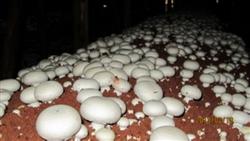
New Techniques and Management Key Points for Cultivating Button Mushrooms with Corncobs
1. Pressing water for the mycelium should be done at the right time. When mycelium emerges on the bed surface, it indicates that the mycelium has reached the bottom of the compost and has fully developed within the casing layer, and has already gained the ability to fruit. At this point, water should be sprayed at the right time to press the mycelium. Method: Increase ventilation to let strong wind blow into the mushroom shed, causing the mycelium on the soil surface to lie down; control the amount of water sprayed according to the mycelium development in the casing layer, generally...
-
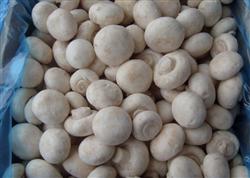
Detailed Explanation of the New Technique for Cultivating Button Mushrooms with Corncobs
A large amount of corn is grown in northern China, and after crushing, corncobs can be used for button mushroom cultivation. In recent years, the area used for cultivating button mushrooms with corncobs has grown rapidly. Corncobs contain 91.3% organic matter and 51.8% soluble carbohydrates, with a carbon-to-nitrogen ratio of 56.70:1. For a button mushroom cultivation area of 100 sq m, 200...
-
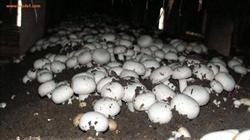
Detailed Explanation of Key Techniques for Cultivating Button Mushrooms (Agaricus bisporus) with Biogas Residue
1. Base material formula: biogas residue 3000 kg, wheat straw or rice straw 3000 kg, superphosphate 120 kg, urea 18 kg, lime powder 180 kg, gypsum powder 90 kg, light calcium carbonate 30 kg, edible mushroom three-dimensional nutrient essence 1440 g (12 bags). This formula is suitable for a cultivation area of 200-220 sq m....
-
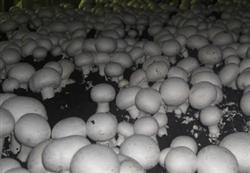
Utilization of Wheat Straw and Cattle and Horse Manure in Button Mushroom Cultivation
The overwintering period of button mushrooms in greenhouses generally refers to the period from the Winter Solstice of that year to the Awakening of Insects in the following year. During this period, the time is long and the temperature is low, and the mycelium is in a stage of extremely slow or stopped growth. Although a small amount of fruiting bodies may sometimes be produced, it is of little significance in production. Depending on the degree of dryness or wetness of the mycelium layer, either dry overwintering or wet overwintering methods can be used for management...
-
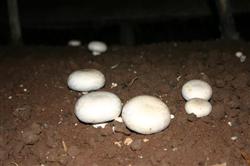
Eight Key Points for the Prevention and Control of Diseases and Pests in Button Mushrooms
With the rapid development of mushroom production, finding ways to improve economic returns and reduce costs is the direction that growers and related technical personnel are striving toward. North China has large amounts of corn straw, and using it instead of rice straw to cultivate mushrooms can greatly reduce costs. The relevant techniques are introduced as follows: 1. Mushroom compost formula...
-
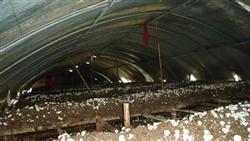
Detailed Explanation of Key Points for Button Mushroom Greenhouse Cultivation Techniques
1. Greenhouse specifications: 20 m long, 12 m wide, covering an area of 1.2 mu (including mixing yard, living quarters, roads, etc.), with 8 bamboo racks of 8 layers each inside, and a planting area of 1000 sq m. 2. Compost formula (for 1000 sq m): rice straw 22500 kg, cow manure 3000 kg, rapeseed cake 1000 kg, compound fertilizer 400 kg, urea 1...
-
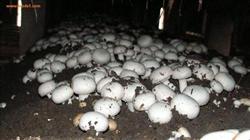
How to prevent and control button mushroom diseases? These measures must be mastered
Disease prevention and control principles: prevention first, with equal emphasis on prevention and control. 1. Rot disease: a fungal disease, mainly characterized by white mycelium as fine as spider silk appearing on the casing soil layer of the mushroom bed, growing irregularly and arranged in a spider-web pattern; infected mushroom bodies basically stop growing and gradually turn brown, soften and rot. Prevention and control measures: treat the casing soil material to prevent disease before it appears. For chemical treatment of the mushroom shed, generally use Baibingsha to spray the mushroom shed in a carpet-like manner to thoroughly kill pathogenic bacteria; after sealing for 2 days, it can be put into use. Keep the shed temperature above 12°C and shed humidity below 90%. If disease is found, immediately take measures to dig out and clean up.
-
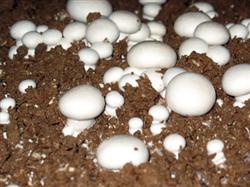
Detailed Explanation of the New Technology for Two Crops of Button Mushrooms in One Year
1. Mushroom shed treatment. In the past, most mushroom sheds used were simple greenhouses with a single-slope design, or simple semi-underground sheds. During low-temperature seasons, it was difficult to use sunlight to raise the temperature, so after cultivation entered November, the shed temperature dropped along with the air temperature. When the lowest shed temperature reached 8°C, mushrooms stopped fruiting, and it was only after the air temperature rose again in March of the following year...
-
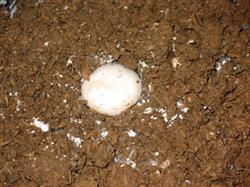
Water management is very important for autumn cultivation of button mushrooms
Casing soil is a technical measure unique to button mushroom production. Before casing, pay attention to the following aspects: (1) The surface of the compost should remain dry; if the surface is too wet, ventilate. (2) Check for contaminating microorganisms and pests; once found, measures must be taken. (3) The compost surface should be given a "..."
-
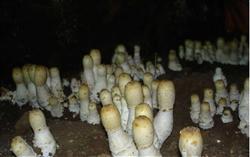
Management Methods for Primordia Induction in Button Mushrooms, Shaggy Mane Mushrooms, and Almond Mushrooms
The shaggy mane mushroom (Coprinus comatus) is a new variety of premium edible fungus with high nutritional and medicinal value. According to analysis by relevant edible fungus research experts, every 100 grams of dried shaggy mane mushroom contains 25.4 grams of crude protein, 3.3 grams of fat, 51.5 grams of nitrogen-free carbohydrates, 7.3 grams of cellulose, 12.5 grams of ash, and a caloric value reaching 346 kil...
条件筛选