-
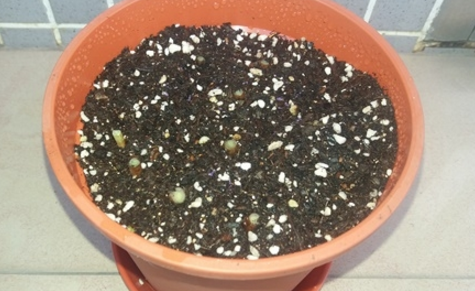
A detailed guide to growing society garlic - even beginners can learn it easily
1. Collecting seeds Society garlic blooms in summer, and its capsules ripen in autumn. This is the time to collect seeds. Once the capsules split open, you can take out the seeds, sort them, and discard any damaged ones. It is best to store the seeds until the next spring for sowing. 2. Soil Society garlic needs fertile soil for growth
-
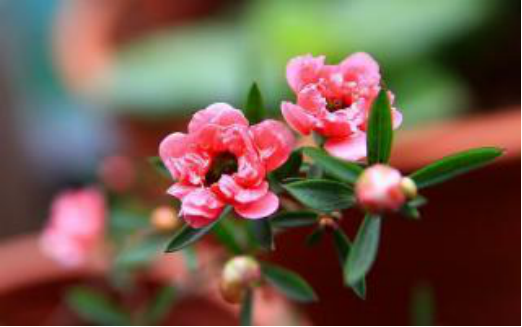
A detailed guide to growing Leptospermum scoparium: even beginners can easily grow it well
1. Soil: Growing Leptospermum scoparium requires soil rich in humus, and the soil pH should be suitable, preferably slightly acidic. In addition, growing Leptospermum scoparium has high requirements for soil drainage. 2. Watering: When growing Leptospermum scoparium, watering does not need to be too much, but the soil should be kept moist. Water in moderation
-

A detailed guide to ornamental peach care, easy for beginners to master
1. Soil. Ornamental peach likes dry, airy conditions, so the soil for planting it should have good permeability and be suitable for drainage; neutral or slightly alkaline sandy soil is more suitable for its growth. 2. Watering. Ornamental peach is fairly drought-tolerant and not suited to frequent watering. It only needs one watering each in early spring and late autumn
-
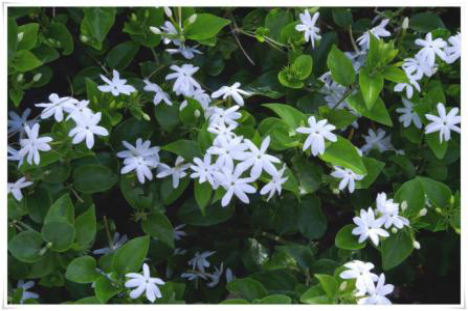
A Detailed Guide to Growing Jasminum multiflorum, Easy for Beginners to Learn
Growing Environment: Jasminum multiflorum is suited to growing in warm, sunny environments, usually at elevations of around 1,000 m. Because it is rather sensitive to cold, if grown in cold regions it needs to be placed in a greenhouse for overwintering. It also likes fertilizer and is suited to loose, fertile soil
-
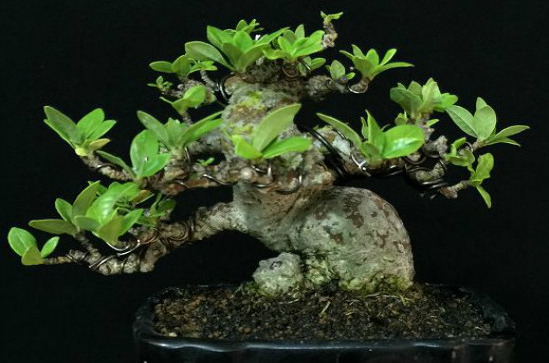
A Complete Guide to Growing Dwarf Gardenia: Even Beginners Can Learn
1. Soil. Dwarf gardenia is usually grown in pots for ornamental display, so the potting soil is very important when growing it. Dwarf gardenia is suited to loose, well-drained, slightly acidic soil, so when growing it you can choose leaf mold or fertile peat soil for planting. 2. Light
-
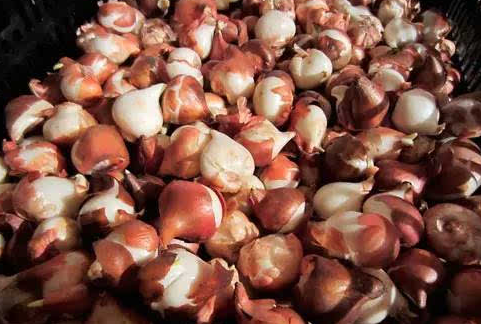
A detailed guide to tulip planting methods, easy for beginners to learn
Sowing time: Tulips are generally sown in November, when the climate is more suitable for seed germination; after germination, they are buried in the soil to overwinter. Seed selection: when buying bulbs, choose larger ones, otherwise the bulb quality is poor and they are not easy to bloom. Soil: the flower pot for planting tulips must have air holes at the bottom, and choose loose, breathable potting soil
-
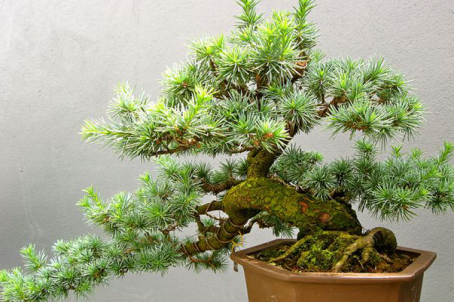
A Detailed Guide to Making Cedar Bonsai, Easy for Beginners to Learn
When making a cedar bonsai, pay attention to pot selection, soil, and shaping. For making cedar, it is best to use a purple clay pottery pot or a glazed pottery pot. If the bonsai is relatively large, a deep round pot or a carved stone pot can be used, but wire must be used to secure the base of the roots to prevent loosening. The soil chosen should preferably be loose in texture and well-draining.
-
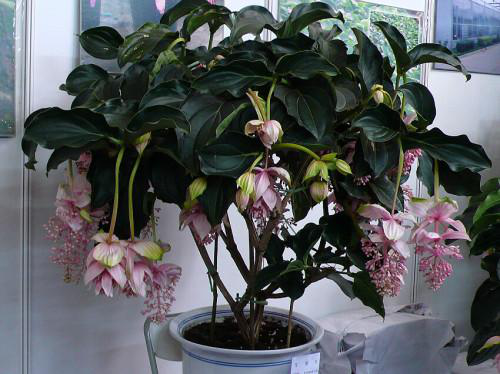
How to grow the Medinilla magnifica - even beginners can easily care for it well
Temperature: The Medinilla magnifica likes a hot and humid environment and is not cold-tolerant. Summer is its best growing season, but be careful not to let it be exposed to direct sunlight. In winter, keep it warm and maintain a growing temperature of no less than 16°C. Soil: The Medinilla magnifica has fairly high requirements for soil.
-
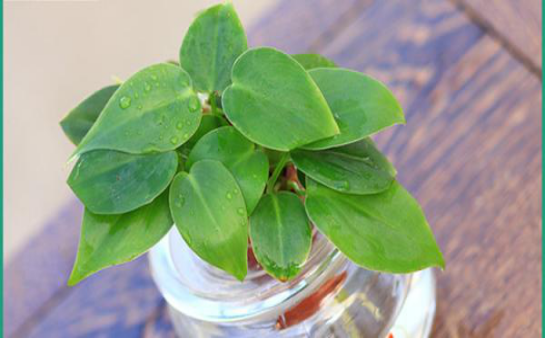
A detailed guide to heartleaf philodendron propagation methods, easy for beginners to master
Cuttings propagation of heartleaf philodendron: Cuttings are best taken from May to September. Cut healthy stems with 2-3 nodes and insert them directly into coarse sand or sphagnum moss, keeping the medium moist and the temperature at around 22-24°C. Roots will form about 20-25 days after insertion.
-
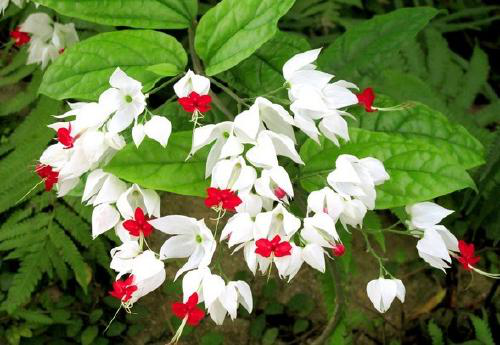
What are the propagation methods for Bleeding Glory-Bower? Beginners can master them easily
Bleeding Glory-Bower is usually propagated by cuttings. Cuttings of Bleeding Glory-Bower are generally taken from May to June each year; both old and young branches can be used as cuttings. Take 8-10 cm stem sections for cuttings. The cutting bed can use a nutrient-rich mixed soil of potting soil. About half will root 3 weeks after insertion.
条件筛选