A detailed guide to tulip planting methods, easy for beginners to learn
Sowing time
Tulips are generally sown in November, when the climate is more suitable for seed germination; after germination, they are buried in the soil to overwinter.
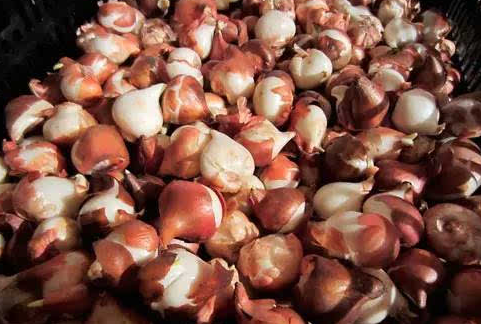
Seed selection
When buying bulbs, choose larger ones, otherwise the bulb quality is poor and they are not easy to bloom.
Soil
The flower pot for planting tulips must have air holes at the bottom, and choose loose, breathable potting soil; keep the soil dry before planting.
Planting
Before planting tulips, peel off the brown skin of the bulbs. The soil should not be too deep, about 3 to 4 cm is suitable, with a little of the stem exposed.
Rooting
After planting, wait for the bulbs to take root. At this time the flower pot does not need to be placed in sunlight; just keep the soil dry. Roots will form in half a month. You can shake the flower pot to check the bulbs; if they do not move, roots have already grown, but do not dig them out to confirm.
Watering
After the bulbs take root, move them into sunlight and water appropriately, while also keeping them appropriately dry. Often basking in the sun helps the plants overwinter.
Tulip planting methods
Tulip courtyard planting
Bulb treatment
Before planting tulips, the bulbs need low-temperature treatment; treatment at 5°C or 9°C is most suitable, and they can then be planted directly.
Planting time
Tulips cultivated in courtyards need to be planted in late October each year.
Courtyard planting method
When planting tulips in a courtyard, the row spacing should be kept at about 14-16 cm, sufficient base fertilizer should be applied, the most suitable soil covering depth is 4 cm, and the trench depth is 15-20 cm. After planting, water promptly. At germination and flowering, apply light fertilizer 2-4 times.
Tulip pot planting
Pot selection for pot planting
Choose a flower pot with a diameter of 10-20 cm. Line the bottom of the pot with rubble, bricks, or stones as a drainage layer, then add fertile, well-draining soil. Note here that the soil chosen should be new soil; old soil that has been planted in cannot be used, to prevent infection by pests and diseases.
Pot planting method
Plant 1-2 bulbs in a flower pot with a 10-15 cm diameter, and plant 3-5 bulbs per pot in an 18-20 cm flower pot. When planting, the top of the bulbs should be level with the soil surface.
After planting, place it in a cool place to observe for about 3-5 days, then water thoroughly and place it outdoors for care. When the surface of the pot soil is below 1 cm, it needs watering.
From December each year to February of the following year, the entire flower pot should be covered with plastic film and placed outdoors in a ventilated, sunny place; keeping it at 5°C allows the roots to grow. The pot soil should be watered thoroughly, and not watered when not dry.
Pot planting method for tulips
Tulips have unique flower shapes, large and beautifully colored blooms, and many varieties. Many flower lovers like to grow a few themselves. If you are a beginner at growing flowers and have no experience, do not be afraid; below, Xiaomo will take you through the actual planting of tulips in a simple way.
Key points of this article
Tulip bulbs, substrate soil, flower pot, water
Tulip bulbs need a period of low-temperature treatment before they can grow and bloom normally. Generally, bulbs sold by regular sellers have been treated, but it is still unavoidable that some unscrupulous shops fool customers with room-temperature bulbs, so ask carefully before buying.
Do not forget to disinfect the bulbs before planting. Formalin or carbendazim solution will both work. Soak the bulbs in the disinfectant solution for about 30 minutes. In addition, as needed, a few drops of gibberellic acid can be added to promote bulb germination.
Tulip bulbs have a layer of gray-brown skin on the outside. Generally, peeling off the skin before planting can increase the speed of germination and rooting and benefit growth.
The substrate soil used for cultivation can be appropriately mixed with some slow-release compound fertilizer as base fertilizer. If there is no substrate soil, sandy soil can also be used; the soil is required to be fertile and have good water and air permeability.
Before planting, first put some base soil in the flower pot, then place the bulbs in. Place the bulbs in the center, upright. The planting depth is generally 1.5 times the size of the bulbs. The number planted per pot depends on the size of the flower pot. Generally, a 20 cm pot can plant 3 plants in a triangular arrangement.
When filling with soil, press appropriately around the flower pot with your fingers to better fix the bulbs. Do not press the central bulb part, otherwise it is easy to damage it. After pressing, fill and level it loosely. Generally, water thoroughly once immediately after planting, and afterward keep the soil moist until germination.
Notes
Disinfection is essential
Substrate soil and sandy loam are best for cultivation soil
Soil moisture must be sufficient before germination