A Complete Guide to Growing Dwarf Gardenia: Even Beginners Can Learn
1. Soil.
Dwarf gardenia is usually grown in pots for ornamental display, so the potting soil is very important when growing it. Dwarf gardenia is suited to loose, well-drained, slightly acidic soil, so when growing it you can choose leaf mold or fertile peat soil for planting.
2. Light.
Gardenia is a sun-loving, light-seeking plant, and dwarf gardenia is no exception. When growing dwarf gardenia, place the pot in a sunny, well-ventilated spot so that it receives plenty of light, which keeps the leaves greener and makes the flowers bloom better.
3. Watering.
Dwarf gardenia likes a warm, humid environment. During its growth, water it promptly, and in hot summer weather you can also mist the leaves, which helps them absorb water and become more lustrous. In winter, reduce watering somewhat to prevent root rot. Also, water dwarf gardenia during the daytime in general, and avoid watering at night.
4. Fertilizer.
Dwarf gardenia needs a fair amount of fertilizer during growth, especially in the vigorous growing season; apply soybean cake, sesame paste residue or peanut bran once every half month, which helps dwarf gardenia produce more flowers and bloom abundantly.
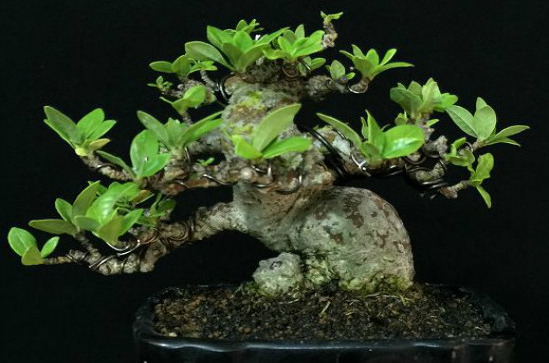
Now that we have covered how to grow dwarf gardenia, let us talk about the points to note when growing it.
How to Grow Dwarf Gardenia: Growing Methods for Dwarf Gardenia
Dwarf gardenia has very high ornamental value. It can be planted in massed clumps or placed at forest edges, in front of courtyards, in courtyard corners or along roadsides, and can also be used for balcony greening, potted flowers, cut flowers or bonsai, etc. So how do you grow dwarf gardenia? Let us take a look at the growing methods for dwarf gardenia!
Growth Habits of Dwarf Gardenia
Dwarf gardenia is a typical acid-loving flower. It likes a warm, humid climate and is not cold-tolerant. It likes sunlight but cannot withstand intense direct sun. It grows best in loose, fertile, well-drained, slightly clayey acidic soil. In Northeast China, North China and Northwest China it can only be grown as a potted greenhouse flower. It is resistant to sulfur dioxide and can absorb sulfur to purify the air.
Propagation Methods for Dwarf Gardenia
1. Sowing: Dwarf gardenia is mainly propagated by seed, mostly in spring, but the seeds germinate slowly, sprouting about 1 year after sowing and flowering after 3 to 4 years. Potted plants in the north rarely produce seeds.
2. Cuttings: In the north, take cuttings in a greenhouse from October to November; in the south, cuttings can be taken anytime from April to the beginning of autumn, but the survival rate is highest between summer and autumn. Choose healthy 2-year-old branches as cuttings. When the rooted seedlings begin to grow, transplant them or pot them individually; they can flower after 2 years.
3. Layering: In April, select vigorous branches from 3-year-old mother plants for layering. If there is a three-forked branch, you can layer at the fork and get three plants at once. Roots generally form after 20 to 30 days, and the layers can be separated from the mother plant in June, then divided and planted or potted individually the following spring.
Growing Methods for Dwarf Gardenia
1. Soil: Dwarf gardenia should be given acidic potting soil, with a suitable pH of 5 to 6. For the growing medium you can choose leaf mold, peat soil, or composted sawdust plus half garden soil. Do not use old wall soil or coal cinder.
2. Watering: Water dwarf gardenia whenever the surface of the potting soil looks dry. In the evening you can use a spray bottle to sprinkle water on the leaves. For plants that grow too vigorously with longer internodes, do not water at night; water in the morning after the sun comes out.
3. Fertilizing: Add 3% decomposed cake fertilizer to the growing medium of dwarf gardenia as a base fertilizer. During the growing season, water once a week with alum fertilizer made by fermenting cake fertilizer with ferrous sulfate. At the bud stage, water 1 to 2 times with a 0.1% potassium dihydrogen phosphate solution. Stop fertilizing in summer above 35°C and in autumn below 15°C.
4. Light: Dwarf gardenia likes sunlight but cannot withstand intense direct sun. It can also grow in semi-shade for a long time, but it needs to maintain 60% of full-day light to meet its growth needs.
5. Repotting: For home potted dwarf gardenia, change the potting soil when the crown width reaches about 28 cm. If repotting, plant it into the new pot together with the root ball. It is usually best to change the soil in March in spring.
6. Pruning: For dwarf gardenia, select and keep three main branches according to the tree shape, and cut off other branches sprouting from the roots at any time. Remember not to shorten the tops of branches in spring, otherwise it will not bloom that year.
7. Overwintering: In the north, the roots of dwarf gardenia are damaged after the severe winter and only recover in spring, so wrap the pot well with foam plastic or other insulating material to protect the roots, and place it in a wind-sheltered, sunny spot for the winter.
Growing Methods for Dwarf Gardenia
Dwarf gardenia is also known as què shé zhī zi, xiǎo huā zhī zi, què shé huā and so on. It is an evergreen shrub of the genus Gardenia in the family Rubiaceae. It is cultivated in most parts of China and has very high ornamental value. It can be planted in massed clumps or placed at forest edges, in front of courtyards, in courtyard corners or along roadsides, and can also be used for balcony greening, potted flowers, cut flowers or bonsai, etc. Let us take a look at the growing methods for dwarf gardenia!
Growth Habits of Dwarf Gardenia
Dwarf gardenia is a typical acid-loving flower. It likes a warm, humid climate and is not cold-tolerant. It likes sunlight but cannot withstand intense direct sun. It grows best in loose, fertile, well-drained, slightly clayey acidic soil. In Northeast China, North China and Northwest China it can only be grown as a potted greenhouse flower. It is resistant to sulfur dioxide and can absorb sulfur to purify the air.
Propagation Methods for Dwarf Gardenia
1. Sowing: Dwarf gardenia is mainly propagated by seed, mostly in spring, but the seeds germinate slowly, sprouting about 1 year after sowing and flowering after 3 to 4 years. Potted plants in the north rarely produce seeds.
2. Cuttings: In the north, take cuttings in a greenhouse from October to November; in the south, cuttings can be taken anytime from April to the beginning of autumn, but the survival rate is highest between summer and autumn. Choose healthy 2-year-old branches as cuttings. When the rooted seedlings begin to grow, transplant them or pot them individually; they can flower after 2 years.
3. Layering: In April, select vigorous branches from 3-year-old mother plants for layering. If there is a three-forked branch, you can layer at the fork and get three plants at once. Roots generally form after 20 to 30 days, and the layers can be separated from the mother plant in June, then divided and planted or potted individually the following spring.
Growing Methods for Dwarf Gardenia
1. Soil: Dwarf gardenia should be given acidic potting soil, with a suitable pH of 5 to 6. For the growing medium you can choose leaf mold, peat soil, or composted sawdust plus half garden soil. Do not use old wall soil or coal cinder.
2. Watering: Water dwarf gardenia whenever the surface of the potting soil looks dry. In the evening you can use a spray bottle to sprinkle water on the leaves. For plants that grow too vigorously with longer internodes, do not water at night; water in the morning after the sun comes out.
3. Fertilizing: Add 3% decomposed cake fertilizer to the growing medium of dwarf gardenia as a base fertilizer. During the growing season, water once a week with alum fertilizer made by fermenting cake fertilizer with ferrous sulfate. At the bud stage, water 1 to 2 times with a 0.1% potassium dihydrogen phosphate solution. Stop fertilizing in summer above 35°C and in autumn below 15°C.
4. Light: Dwarf gardenia likes sunlight but cannot withstand intense direct sun. It can also grow in semi-shade for a long time, but it needs to maintain 60% of full-day light to meet its growth needs.
5. Repotting: For home potted dwarf gardenia, change the potting soil when the crown width reaches about 28 cm. If repotting, plant it into the new pot together with the root ball. It is usually best to change the soil in March in spring.
6. Pruning: For dwarf gardenia, select and keep three main branches according to the tree shape, and cut off other branches sprouting from the roots at any time. Remember not to shorten the tops of branches in spring, otherwise it will not bloom that year.
7. Overwintering: In the north, the roots of dwarf gardenia are damaged after the severe winter and only recover in spring, so wrap the pot well with foam plastic or other insulating material to protect the roots, and place it in a wind-sheltered, sunny spot for the winter.