-

A detailed explanation of the key points of gecko farming technology, beginners can learn it too
Key points of gecko farming technology
-
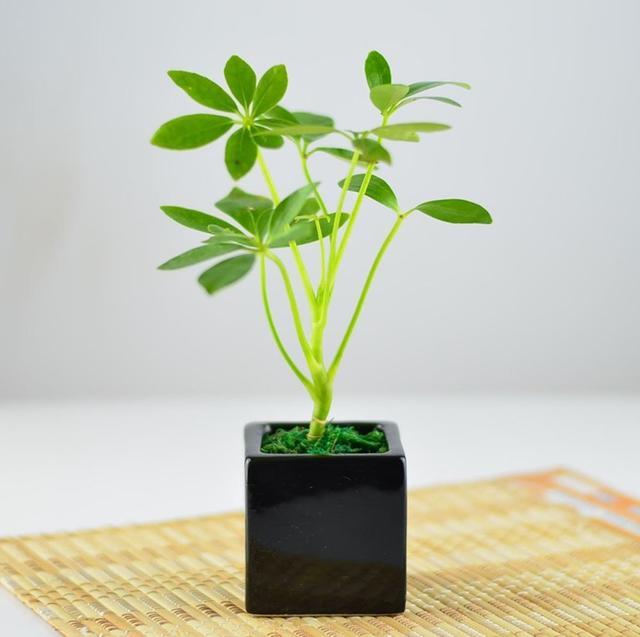
Tropical plants are great for growing indoors, and beginners might want to try these
Growing plants at home not only purifies the indoor air, but also makes the living space feel full of life. But many beginners don't know how to choose plants, so here are several potted plants that are suitable for growing at home, not...
-
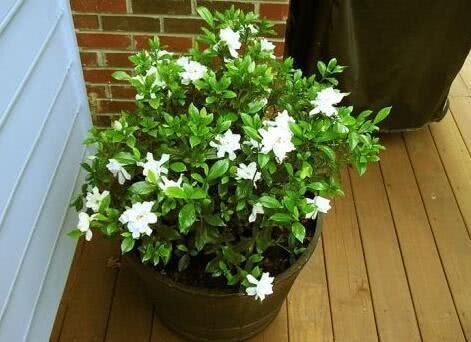
The 5 potted flowers widely recognized as the hardest to grow; beginners lose a pot with every one they plant
Growing flowers is hard work. Some flowers you may care for with all your strength, yet all they give you in return is withering and fading. Below, Xiao Ye introduces 5 potted flowers widely recognized as hard to grow, so be extra...
-

What are the things to note for beginners growing succulents
What should beginners pay attention to when growing succulents
-

A Detailed Guide to Hydroponic Tulip Growing: Beginners Can Learn It Easily
1. Buying materials. Growing tulips hydroponically is a technical job, and sharpening the axe does not delay the woodcutting, so the first thing to do is go shopping: buy the equipment needed for hydroponic tulips and, most importantly, the tulip bulbs. 2. Disinfection. Disinfection is a necessary step for hydroponic plants, and it is also the starting point where hydroponic tulips go from beginner to giving up.
-

-

-
A detailed guide to growing campanula: even beginners can get the hang of it easily
Choosing the time: In spring or late winter to early spring, sow seeds in a plastic tunnel to keep them warm, so that the flowering period avoids the heat of summer. You can also sow in autumn; generally, seedlings sown in autumn of the same year need to be grown until the following spring and summer before they bloom. Choosing the seeds: Campanula seeds are extremely small
-
A detailed guide to nasturtium cuttings propagation, easy for beginners to learn too
Cutting time: Nasturtium cuttings are usually taken from April to June, and according to the experience of gardening enthusiasts, the success rate is generally very high when the temperature is around 18°C. Stem selection: Choose a healthy, pest- and disease-free plant, cut off a 5-7cm tip cutting, and remove the lower leaves.
-
Detailed Guide to Sowing Globe Amaranth: Even Beginners Can Easily Learn
Sowing time: Globe amaranth seeds are collected in September-October and sown in April-May. The suitable temperature for sowing is 20-25°C, sown in open-field seedbeds. Transplanted in June. Seed treatment: Globe amaranth seeds are densely covered with fine hairs, so they sprout slowly and require artificial germination treatment.
条件筛选