-
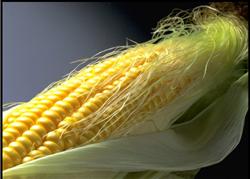
What impact does the application of organic fertilizer have on food safety?
What impact does the application of organic fertilizer have on food safety? Please explain. At present, the issue of the quality and safety of agricultural products in China is attracting increasingly widespread attention from society. The factors that trigger the safety of agricultural products, especially quality and safety, include both natural and human aspects, among which pollution of the ecological environment, namely water, soil, air, organisms and other aspects...
-
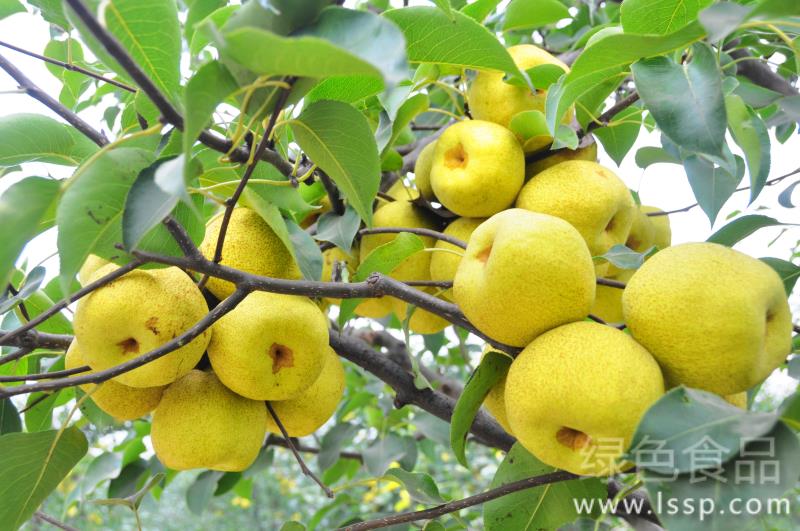
Preparation and Application Methods of Bordeaux Mixture in Pear Orchards
Preparation and Application Methods of Bordeaux Mixture in Pear Orchards
-
A Detailed Guide to Potassium Fertilizer Application Methods for Underground Tuber Crops
How should potassium fertilizer be applied to underground tuber crops? Why should it be applied this way? Underground tuber crops such as potato, peanut, taro, sweet potato, yam, Jerusalem artichoke, carrot and others all have a potassium-loving nature and a relatively high demand for potassium, so in cultivation even more attention should be paid to applying potassium fertilizer to achieve high yields. For every 1000 kg of potato produced...
-
Which crops are suitable for potassium sulfate and potassium chloride application?
Which crops are suitable for potassium sulfate or potassium chloride application? Please give an introduction. Crop chloride tolerance refers to a crop's ability to endure chloride applied to the roots without suffering toxicity; the lower the concentration at which toxicity begins, the poorer the chloride tolerance. Among common crops, those with strong chloride tolerance include sugar beet, spinach, foxtail millet, kenaf, radish, chrysanthemum, rice, sorghum...
-
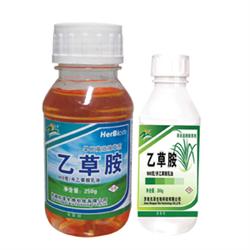
Introduction to the correct application methods of acetochlor
How is acetochlor applied? Please explain. Acetochlor is also known as Harness and acetochlor. It is suitable for soybeans, oil crops, peanuts, corn, cotton, vegetables, etc. It controls annual grass weeds and some broadleaf weeds. It is ineffective against perennial weeds. Acetochlor is a pre-emergence soil treatment, applied before crop emergence around sowing time...
-
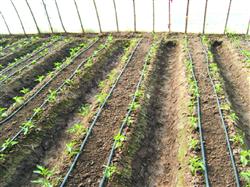
How to use flush fertilization well? You need to master the correct application methods
How do you use flush fertilization well? Please give an introduction. First, correctly choose the type of fertilizer for flush fertilization. Only water-soluble fertilizers can be applied with water. Among nitrogen fertilizers, urea, ammonia water, ammonium sulfate and ammonium nitrate are commonly used; among potassium fertilizers, there are potassium chloride and potassium sulfate, and potassium nitrate can also be used. Among phosphorus fertilizers, even if they are water-soluble monoammonium phosphate and phos...
-
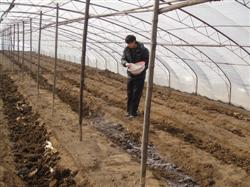
Correct application methods for ammonium-nitrogen compound fertilizer
How should ammonium-nitrogen compound fertilizer be applied? Please give an introduction. There are three types of nitrogen fertilizer in compound fertilizer: ammonium nitrogen, nitrate nitrogen and urea. Nitrate nitrogen is absorbed most quickly by crops, but it is not easily retained in the soil and is prone to leaching with water, so it is best used as a top dressing and less suitable as a base fertilizer; urea also leaches easily, and after being applied to the soil it must undergo transformation before it can be absorbed by crops. This process takes a long time when spring soil temperatures are low, and its effect is too slow, so it is also not ideal as a base fertilizer. Only ammonium nitrogen is both easily adsorbed and retained by the soil, not prone to leaching, and unaffected by low temperatures, giving it the highest utilization rate and making it the most ideal base fertilizer. Therefore, ammonium-nitrogen compound fertilizer is suitable for application as a base fertilizer.
-
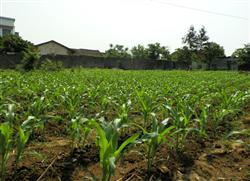
Which crops can paraquat be used on? Detailed introduction to its scope of application
Which crops can paraquat be used on? Please give a detailed introduction. Paraquat is a fast-acting non-selective herbicide with contact action and a certain systemic action. It is rapidly absorbed by the green tissues of plants, causing them to wither and die. It has no effect on non-green tissues. In soil it rapidly binds to soil particles and becomes deactivated, with no effect on plant roots and many...
-
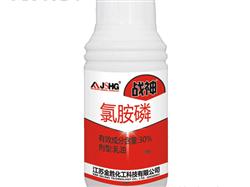
Which pests can chloramidophos control? A detailed explanation of its scope of application
Which pests can chloramidophos control? Please introduce 30% chloramidophos emulsifiable concentrate, a new insecticide variety with independent intellectual property rights, capable of efficiently controlling a variety of pests, mainly the larvae of the rice leaf roller. Such as the striped stem borer, the yellow stem borer, the pink stem borer, the brown planthopper, leafhoppers, the cotton bollworm, the cabbage caterpillar, the beet armyworm, etc., low...
-
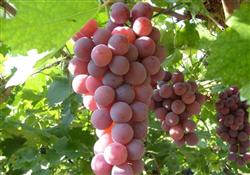
Application methods of foliar fertilizer for American grapes
How should foliar fertilizer be applied to American grapes? Please provide an introduction to the method. American grapes are currently a premium variety among grape cultivars, and because of their bright and glossy appearance, rich nutrition, and good storage tolerance, they are very popular in the fruit market. During the middle and late stages of grape growth (from flowering to fruiting), foliar spraying of fertilizer should be carried out, as it helps promote large clusters and large berries,...
条件筛选