Introduction to the correct application methods of acetochlor
How is acetochlor applied? Please explain. Acetochlor is also known as Harness and acetochlor. It is suitable for soybeans, oil crops, peanuts, corn, cotton, vegetables, etc. It controls annual grass weeds and some broadleaf weeds. It is ineffective against perennial weeds. Acetochlor is a pre-emergence soil treatment, applied before crop emergence around sowing time...
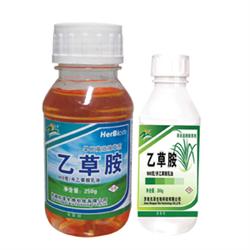
How is acetochlor applied? Please explain
Acetochlor is also known as Harness and acetochlor. It is suitable for soybeans, oil crops, peanuts, corn, cotton, vegetables, etc. It controls annual grass weeds and some broadleaf weeds. It is ineffective against perennial weeds.
Acetochlor is a pre-emergence soil treatment, applied as a spray to the soil surface before crop emergence around sowing time. Grass weeds absorb it through the shoots, while broadleaf weeds absorb it through the roots and young shoots. Once absorbed into the plant, the chemical interferes with nucleic acid metabolism and protein synthesis. It stops the growth of young shoots and young roots, ultimately causing death. Its residual activity in the soil can last about 2 months.
The dosage of acetochlor is related to soil moisture and organic matter content. The application rate should be determined according to different seasons, different crops and weed conditions. For sandy soil with low organic matter content, a low dose should be used. Applying the chemical under high temperatures or rain after application causes seeds to contact the dose and suffer phytotoxicity. After emergence, the leaves shrivel and turn yellow.
After weeds are damaged, the young roots and young shoots are inhibited. The leaves cannot emerge from the coleoptile, or the emerged leaves are deformed, shortened and thickened, and then die.
Click to get more herbicide application techniques
Click to get more pesticide application techniques