Application methods of foliar fertilizer for American grapes
How should foliar fertilizer be applied to American grapes? Please provide an introduction to the method. American grapes are currently a premium variety among grape cultivars, and because of their bright and glossy appearance, rich nutrition, and good storage tolerance, they are very popular in the fruit market. During the middle and late stages of grape growth (from flowering to fruiting), foliar spraying of fertilizer should be carried out, as it helps promote large clusters and large berries,...
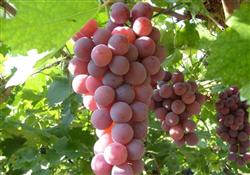
How should foliar fertilizer be applied to American grapes? Please provide an introduction to the method
American grapes are currently a premium variety among grape cultivars, and because of their bright and glossy appearance, rich nutrition, and good storage tolerance, they are very popular in the fruit market. During the middle and late stages of grape growth (from flowering to fruiting), foliar spraying of fertilizer should be carried out, which has a good effect on promoting large clusters and large berries, increasing yield and income, and improving quality. Six foliar fertilizer spraying methods are introduced below.
1. Urea aqueous solution. Where the soil is sandy, fertility is low, base fertilizer is insufficient, and plants are short, weak-growing, and yellowing leaves, a 0.7%-1% urea aqueous solution can be applied to the leaves from the grape flowering stage to the fruiting stage. This can make the leaves noticeably turn green and become larger and thicker, and has a good effect on improving photosynthetic efficiency and increasing dry matter accumulation, with an average yield increase of more than 20%.
2. Superphosphate water extract. On the basis of base application or seed application of phosphate fertilizer, a 1.5%-2% superphosphate extract (filtered after soaking for 14-16 hours) can be sprayed twice during the flowering and fruiting stages, which can enhance flowering and fruiting performance and increase grape yield by 12%-18%.
3. Plant ash water extract. Plant ash is a farmyard potassium fertilizer, containing an average of more than 5% potassium. At the beginning of the grape fruiting stage, spraying a 5% plant ash extract twice has a significant effect on disease prevention, drought resistance, strengthening seedlings, improving quality, and improving grape quality.
4. Potassium dihydrogen phosphate aqueous solution. Potassium dihydrogen phosphate is a highly effective compound fertilizer containing phosphorus and potassium. From the grape flowering stage to the fruit enlargement stage, spray a 0.3% potassium dihydrogen phosphate solution on the leaves twice.
5. Ammonium molybdate aqueous solution. As a trace element nutrient for grapes, molybdenum has a significant effect on promoting the utilization of nitrogen and metabolic functions in grapes and increasing grape yield, and can increase yield by more than 15%. The best effect is achieved by seed dressing with ammonium molybdate combined with foliar spraying. From the grape flowering stage to the fruiting stage, spray a 0.1% ammonium molybdate aqueous solution on the leaves twice. Dissolve 1-2 kg of ammonium molybdate in 40°C warm water, then add cool water to the required concentration for spraying.
6. Boron fertilizer aqueous solution. Boron has a very significant effect on promoting grape growth and improving fertilization and pollination, while boron deficiency leads to low single-berry weight per cluster. Spraying a 0.2% boric acid or 0.3% borax aqueous solution on the leaves during the fruiting stage can increase the number of fruits per plant, with an average increase in single-cluster weight of 50 g.
Click to get more foliar fertilizer application methods
Click to get more fertilizer application methods
Click to get more grape cultivation techniques