-
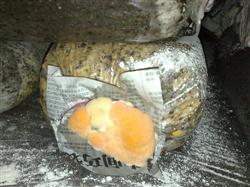
What is Ganoderma Neurospora? An Analysis of Ganoderma Cultivation Techniques
What is Ganoderma Neurospora? What harm does Neurospora do to Ganoderma? How to prevent and control it? Please give an introduction. Neurospora is also called Neurospora sitophila or red bread mold, bread mold, Neurospora, and Monilia. It belongs to the subdivision Ascomycotina, order Sordariales, genus Neurospora. It is a contaminant fungus that poses a great threat in the production of Ganoderma edible mushroom spawn. It spreads relatively quickly.
-
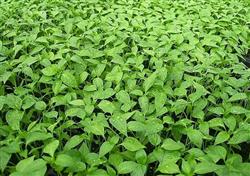
How to grow pepper seedlings in summer? A full analysis of the key cultivation techniques
How do you grow pepper seedlings in summer? Please give guidance. For summer and autumn pepper seedling cultivation, while doing a good job of seed treatment, natural room-temperature germination, and selecting plug trays for sowing, the main things to address are high temperature and drought, strong winds and heavy rain, preventing seedlings from growing leggy, and preventing pests and diseases. For detailed methods, refer to the following: 1. Seed...
-
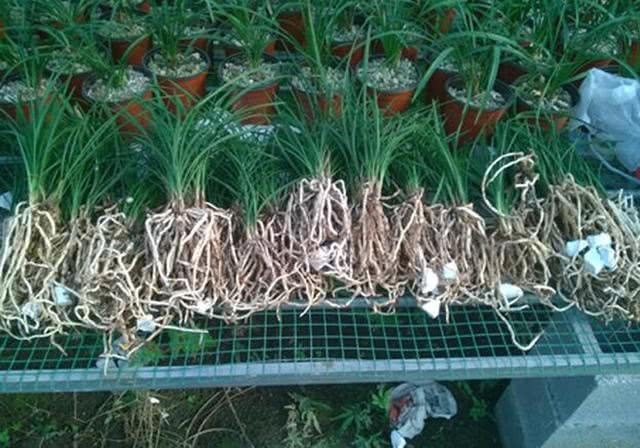
How to choose orchid potting medium? An in-depth analysis to help you grow orchids without worry
First: Principles for choosing orchid potting medium. Choosing orchid potting medium is a key step in cultivating orchids and growing them well, because orchid roots differ somewhat in structure from the roots of other flowers and trees. They are fleshy aerial roots, thick and plump, and need to coexist with fungi...
-
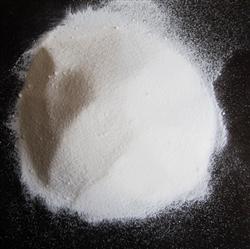
Is potassium nitrate fertilizer good? Analysis of pros, cons and application results
Is potassium nitrate fertilizer good? How should potassium nitrate fertilizer be used for good results? What should be noted when buying potassium nitrate fertilizer? Please explain: potassium nitrate fertilizer is a two-element fertilizer of nitrogen and potassium, available in white powder and granular forms, easily soluble in water, and is one of the high-concentration compound fertilizer types mainly containing potassium. Potassium nitrate usually exists as granules, with a white appearance...
-
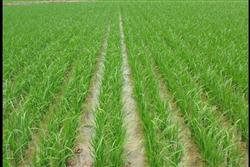
What are the methods for topdressing crops? A full analysis of practical techniques
What are the methods for topdressing crops? Please give an introduction. The following methods for topdressing crops are for reference: 1. Direct broadcasting: after the crop is watered or after rain, when the field moisture is suitable and you can enter the field, broadcast the fertilizer directly between the crop rows and plants. Although this method is relatively simple, part of the fertilizer...
-
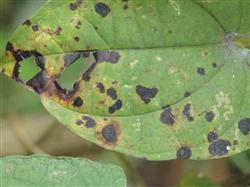
What is yam anthracnose? An analysis of yam cultivation techniques
What is yam anthracnose? What harm does anthracnose do to yams? What methods can prevent and control yam anthracnose? Please help introduce the harm anthracnose does to yams: In the early stage of the disease, slightly sunken brown spots appear on the leaf veins, continuously expanding into dark brown lesions, with irregular concentric rings in the middle,...
-
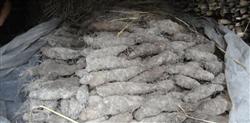
Why do yams grow deformed? An analysis of cultivation technique causes
Why are the yams dug up from planting deformed? What causes yam deformity? What methods can prevent yam deformity? Please help us figure this out - there are mainly several causes of yam deformity, such as the yam seed material used, the soil quality of the planting site, and also the yam...
-
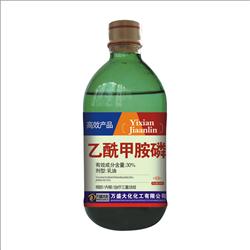
How effective is acephate? A comprehensive analysis of its insecticidal efficacy
How effective is acephate? Please introduce its characteristics. Acephate is a systemic insecticide with stomach-poison and contact action, and it can also kill eggs; it has a certain fumigant effect and is a slow-acting insecticide. If mixed with pesticides such as carbaryl and dimethoate, it has a synergistic effect and can extend the residual effectiveness period. Scope of application: suitable...
-
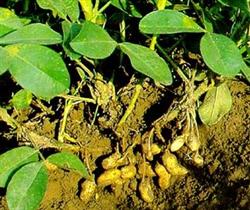
Peanut Cultivation Techniques: An Analysis of Peanut's Fertilizer Absorption Characteristics
How does the peanut absorb fertilizers? Please explain. Peanut kernels are rich in protein and fat, and forming these substances requires large amounts of nutrients. According to research, producing every 100 kg of peanut pods requires 6.8 kg of pure nitrogen (N), 1.3 kg of phosphorus (P2O5), and 3.8 kg of potassium (K2O). Nitrogen is needed the most, followed by potassium, and phosphorus the least...
-
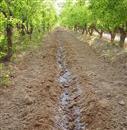
Why do jujube trees need basal fertilizer in autumn? An analysis of the reasons
Why do jujube trees need basal fertilizer in autumn? Here is an introduction to the reasons. The reasons for applying basal fertilizer to jujube trees in autumn are as follows: 1. Applying basal fertilizer in autumn is conducive to the rotting and decomposition of organic fertilizer. Around the time of fruit harvest in autumn, the air temperature and soil temperature are still relatively high, which is suitable for the reproduction and activity of microorganisms. This can accelerate the decomposition of organic matter in the soil and release the various nutrients needed by winter jujube trees...
条件筛选