-
What to Do About Cold Damage in Flowers? Symptom Identification and Prevention Methods
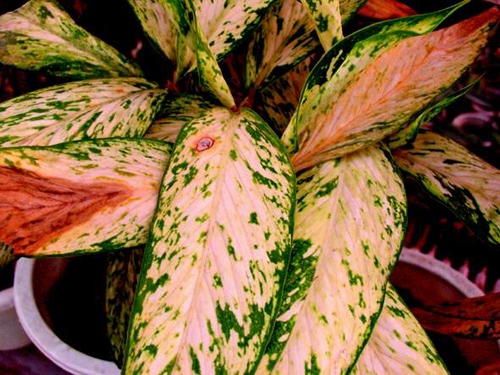
When flowers suffer mild cold damage, herbaceous flowers show discoloration, necrosis and spots on the surface; woody flowers also show bud blight, cracked bark, gum exudation and leaf drop.
-
What are the common misconceptions about fertilizing camellia bonsai?
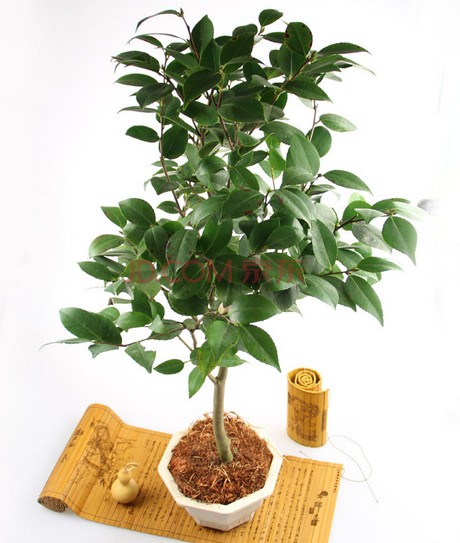
Many people like to grow flowers at home, as it beautifies the room, purifies the air, regulates temperature and cools the heat, and also cultivates character and pleases body and mind. However, to make potted flowers flourish with lush branches and large, brightly colored blooms, besides watering, fertilizing is also an important part of the flower-growing process. When flowers are in their growth period,
-
How to fertilize bonsai and flowering plants, and what to do about over-fertilization?
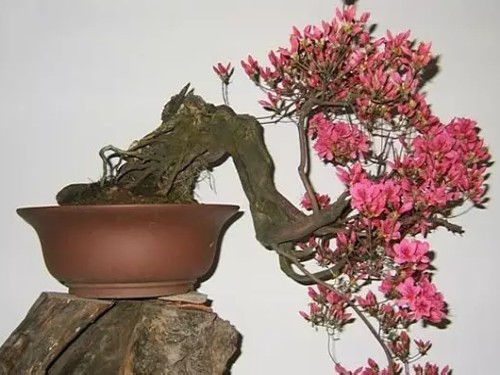
Fertilization should mainly be based on the ecological conditions and biological characteristics of the plants, paying attention to the relative balance of the three major nutrient elements, as well as factors such as soil composition and the characteristics of the fertilizer to decide which fertilizer to use. 1. Choose fertilizer based on its characteristics: fertilizers are divided into organic fertilizers and inorganic fertilizers.
-

What to Do About False Growth in Rose Cuttings? A Few Remedies to Teach You
Roses root and survive from cuttings very easily, but beginners still run into the phenomenon of false growth during the cutting process. How to tell whether a rose cutting has truly taken root or is only showing false growth is often a rather headache-inducing problem. False growth looks like the cutting has survived, but in fact it is not survival in the true sense. So
-
What about the sensitive plant? A detailed guide to sensitive plant care
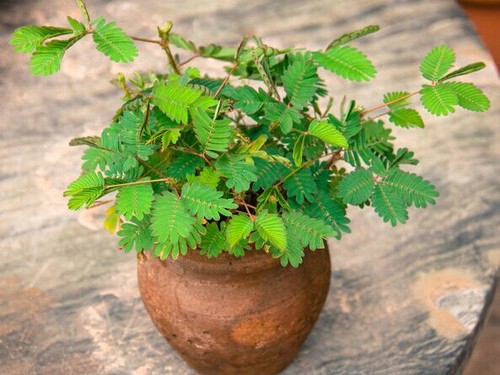
The sensitive plant (Mimosa pudica) is a fascinating plant that can predict changes in the weather. If you touch it with your hand, its leaves close up quickly, and when they open again it is very slow, which indicates that the weather will clear up; if, when you touch the sensitive plant, its leaves contract slowly and droop sluggishly, or even close slightly and then open again
-
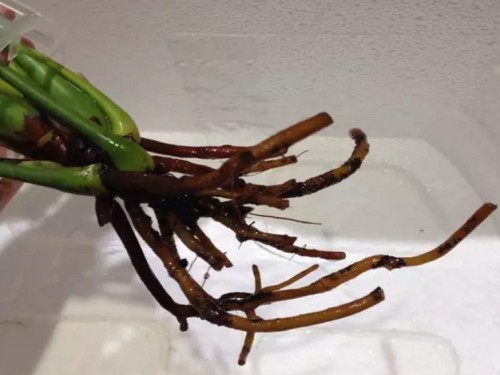
What to Do About Root Rot in Hydroponic Anthuriums? Causes and Solutions
The key to growing Anthurium in water is ensuring healthy root growth. Anthuriums have aerial roots and need plenty of oxygen, but the oxygen in water is far less than in soil, and many factors can cause root rot. Below, we introduce ways to prevent root rot in hydroponic Anthuriums! Hydroponic plants often grow less vigorously than soil-grown ones.
-
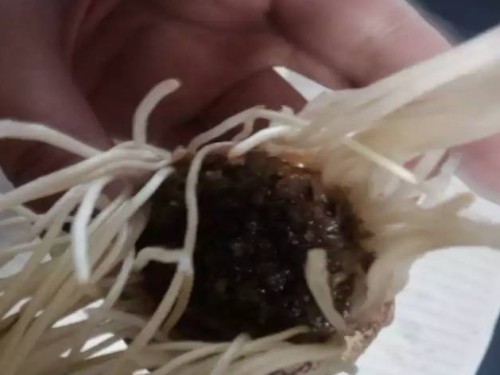
What to Do About Root Rot in Hydroponic Plants? Cause Analysis and Treatment Methods
Anyone who loves growing green plants knows that hydroponic plants are generally easier to grow than soil-grown plants. However, if they are not properly cared for, hydroponic plants are also very prone to root rot. So-called root rot means the plant's roots turn yellow, black, and soft; when you gently pull at the base of the root with your hand, the outer skin peels off very easily, leaving only the woody part.
-
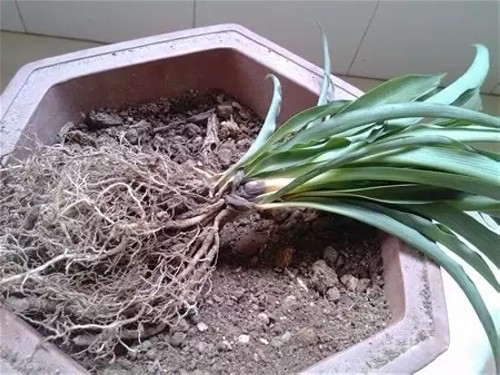
Why do potted spider plants get root rot? What to do about root rot in spider plants
Spider plants have fleshy roots and look beautiful whether grown in soil or water, but once root rot strikes, it is chaos all around: the whole plant relies on its roots to absorb nutrients, and when the roots are unhealthy the plant also falls prey to pests and diseases. Root rot in spider plants is mainly caused by root damage or waterlogging, or by over-fertilizing. When repotting or dividing the plant, be sure to damage the roots as little as possible
-
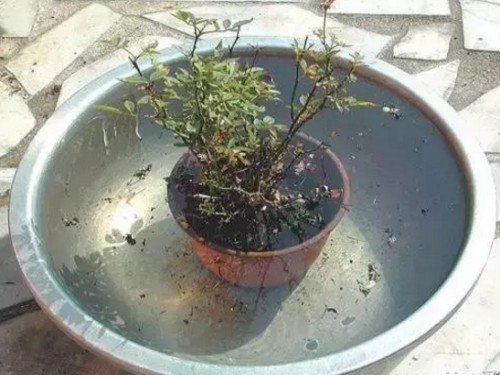
What should you do about ants in your bonsai? A few effective ways to get rid of them
When growing plants, gardening enthusiasts may often run into ant infestations on their flowers, especially potted flowers. So how do you control ants in potted flowers? Below are several methods for controlling ant infestations for gardening enthusiasts. How do you control ants in potted flowers? When growing plants, gardening enthusiasts may often run into ant infestations on their flowers
-
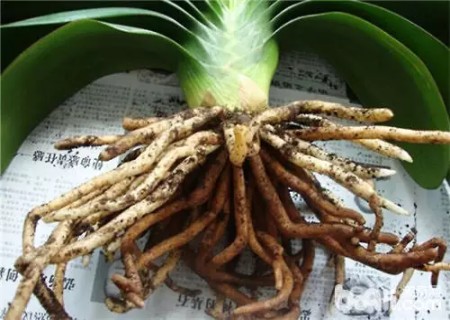
What to Do About Root Rot in Potted Flowers? Here's the Correct Way to Handle It
Potted flowers are often prone to root rot due to uncontrolled watering, improper fertilizing, poor management and other reasons, ruining flowers carefully cultivated for years or even decades - truly a great pity. If an accurate diagnosis can be made in the early to middle stages of root rot and effective measures taken,
条件筛选