What to Do About Root Rot in Hydroponic Plants? Cause Analysis and Treatment Methods
Anyone who loves growing green plants knows that hydroponic plants are generally easier to grow than soil-grown plants. However, if they are not properly cared for, hydroponic plants are also very prone to root rot. So-called root rot means the plant's roots turn yellow, black, and soft; when you gently pull at the base of the root with your hand, the outer skin peels off very easily, leaving only the woody part. If you smell the plant's roots, there is also a foul odor. If the plant's roots rot, the water of the hydroponic plant will also have a foul odor.
If you do not want your beloved green plant to wither and die just like that, then let the editor share a few little tips with you! However, as the saying goes, know yourself and know your enemy, and you can fight a hundred battles with no danger of defeat. In order to defeat root rot, let us first understand the reasons it appears.
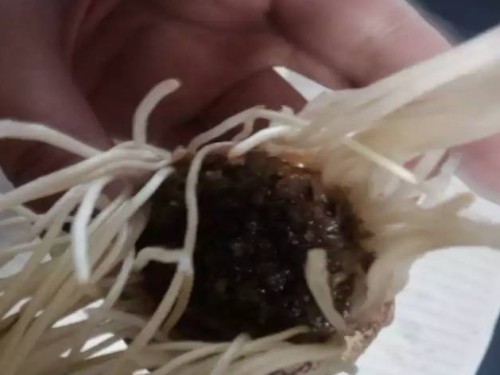
I. How to Determine Whether a Hydroponic Plant Has Root Rot
1. Observe the plant's roots. If you find that the roots have already turned yellow, black, and soft, and when you gently pull at the base of the root with your hand, the outer skin peels off very easily, leaving only the woody part, it means the plant already has root rot;
2. Smell the water with your nose. If the water has a foul odor, it means the root system may also have rotted and deteriorated;
3. Smell the roots with your nose. If the roots have a foul odor, then it proves that the roots have already rotted.
II. Treatment Methods for Root Rot in Hydroponic Plants
1. Take out the soaked flowers and plants, rinse them with running clean water, and at the same time clean the original growing container. Put the cleaned flowers and plants back into the original vessel and grow them in clean water, changing the clean water once every 1-2 days. After the plant adapts to the environment and the newly sprouted roots are stable, then add nutrient solution.
2. After discovering root rot, you must promptly cut off the rotted parts. Generally, root rot gradually spreads upward from the root tips. After pruning, keep cutting until you reach normal roots. After changing the water, pay attention and observe. If root rot continues to appear, handle it promptly.
3. Soak the treated flowers and plants in a 0.5% potassium permanganate solution for 10-20 minutes to sterilize them, and spray a 0.5% potassium permanganate solution into the original growing container to disinfect it.
III. Causes of Root Rot in Hydroponic Plants
1. Root rot occurs because you did not change the water in time. Cloudy water quality easily causes root rot. Residual plant fragments and other matter in the water cause the water quality to deteriorate. If you find that the water quality is relatively cloudy or has an unusual odor, you should change the water in time to ensure the plant's normal growth.
2. Rot starts from the tips of the flower roots and often occurs in hot summers. The main reason is that as the temperature continues to rise, the water temperature also rises, microorganisms reproduce faster, dissolved oxygen decreases, and water quality deteriorates. If nutrient solution is then added incorrectly, making the dissolved nutrient concentration too high, it can easily cause the root system of hydroponic plants to rot.
3. Water submerges all the roots and even the root crown. Generally, the best way to grow them is to leave half of the roots in the water and expose the other half to the air. This can greatly increase the oxygen supply to the plant's roots and can effectively reduce the occurrence of root rot.
4. Rot starts from the base of the leaf stem. The main reason is that nowadays many flower lovers like to buy containers with planting baskets as vessels. "The sharp corners formed by cutting open the bottom of the planting basket cause continuous damage to the flowers and plants." During production, wrapping the flower roots with plastic sheeting, although it reduces the first injury to the flower roots, once the plastic sheeting is removed, the damage has only just begun. Every time you change the water, disinfect, adjust the flower shape, move the position, add water, or rinse the flowers and plants with water, it will aggravate the continuous damage to the flowers and plants caused by the cut surfaces of the plastic sharp corners. Although these wounds are very small, can a flower and plant that forever carries festering wounds live well?
Root rot in hydroponic plants generally falls into two situations:
The first situation is rot starting from the base of the leaf stem (the place where the planting basket grips the flower root or the base of the leaf stem). The main reason is "the continuous damage to the flowers and plants caused by the sharp corners formed by cutting open the bottom of the planting basket." During production, wrapping the flower roots with plastic sheeting, although it reduces the first injury to the flower roots, once the plastic sheeting is removed, the damage has only just begun. Every time you change the water, disinfect, adjust the flower shape, move the position, add water, or rinse the flowers and plants with water, it will aggravate the continuous damage to the flowers and plants caused by the cut surfaces of the plastic sharp corners. Although these wounds are very small, can a flower and plant that forever carries festering wounds live well?
For those hydroponic plants that took 3 months to acclimate, they do not rely on the plastic's elastic rebound force to grip the flower roots, but instead rely on extensive use of nylon zip ties to secure the planting basket to the flowers and plants. This kind of fixation is very firm and stable. The result is that there is no displacement between the "plastic sharp corners or blade-like cut surfaces gripping the flower roots" and the flower roots. As a result, every time you change the water, disinfect, adjust the flower shape, move the position, add water, or rinse the flowers and plants with water, it will not cause continuous damage to the flowers and plants.
For the first situation, the following work needs to be done:
Method 1: Use nylon zip ties extensively to secure the planting basket to the flowers and plants. You must ensure that there is no displacement between the flowers and plants and the planting basket, to prevent the continuous damage to the flowers and plants caused by the plastic sharp corners or blade-like cut surfaces gripping the flower roots.
Method 2: Round off the "traditional planting basket," or add soft cloth, foam, or tape. Once there are no plastic sharp corners or blade-like cut surfaces gripping the flower roots, naturally there is no more continuous damage to the flowers and plants.
The second situation is rot starting from the tips of the flower roots. It often occurs in hot summers. The main reason is that as the temperature continues to rise, the water temperature also rises, microorganisms reproduce faster, dissolved oxygen decreases, and water quality deteriorates. If nutrient solution is then added incorrectly, making the dissolved nutrient concentration too high, it can easily cause the root system of hydroponic plants to rot.
For the second situation, the following work needs to be done:
1. Remove or cut off all the rotted root system. If the stem has also been infected, cut off the infected part as well.
2. Soak the pruned and treated flowers and plants in a 0.5% potassium permanganate solution for 10-20 minutes to sterilize them, and spray a 0.5% potassium permanganate solution into the original growing container to disinfect it.
3. Take out the soaked flowers and plants and rinse them with water from a hose; at the same time, clean the original growing container.
4. Put the cleaned flowers and plants into the cleaned original growing container, then grow them in clean water.
5. Change the water once every 1-2 days, only changing the clean water without adding nutrient solution. If the water quality is clear, you can reduce the frequency of water changes. After 10-15 days of care, new roots can sprout.
6. If the weather is hot, still grow them in clean water. Wait until the temperature stabilizes at 18-25 degrees, then add nutrient solution for cultivation.
Finally, no matter what kind of flower it is, it always needs sunlight. After the above work is completed, you should still put the hydroponic plant on the balcony to get some sun and enhance its immunity.