What to Do About Root Rot in Potted Flowers? Here's the Correct Way to Handle It
Potted flowers are often prone to root rot due to uncontrolled watering, improper fertilizing, poor management and other reasons, ruining flowers carefully cultivated for years or even decades - truly a great pity. If an accurate diagnosis can be made in the early to middle stages of root rot and effective measures taken, it may be possible to save some of the flowers from dying.
Root rot in plants must be treated differently depending on the type, such as succulents, orchids, woody plants, herbaceous plants and so on; even within these major categories, individual varieties are involved. Not all plants with root rot are treated the same way, so gardeners should apply what they learn flexibly and not copy methods blindly. Root rot in plants is mostly caused by long-term waterlogging of the potting soil. When caring for plants, gardeners must remember that it is better to water less - plants are not easily killed by drought, but if the potting soil is waterlogged for too long, the roots rot easily.
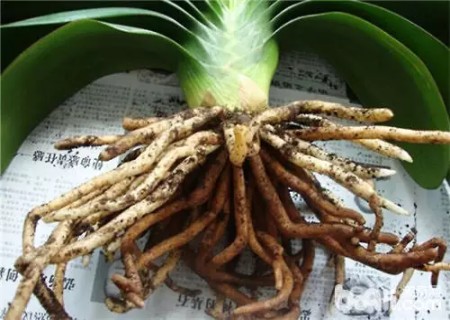
Why do potted flowers get root rot?
1. Soil that is too heavy and clayey: most flowers prefer loose soil with good drainage. When the soil is too heavy and clayey, poor drainage and poor aeration make the roots prone to blackening and rotting. A loose, well-drained potting mix should be chosen.
2. Poor drainage: if the drainage hole at the bottom of the pot is blocked too tightly, water cannot drain away after watering, which also easily keeps the potting soil wet for a long time and leads to root rot. Therefore, the hole at the bottom of the pot should be properly filled, and for flowers with high drainage requirements, more drainage material should be placed at the bottom of the pot.
3. Overwatering or waterlogging from rain: long-term waterlogging of the potting soil or standing water after heavy rain both affect root respiration and cause asphyxiation and root rot in potted flowers, especially in flowers that cannot tolerate wet conditions. Watering must follow the principle of "don't water until dry, and water thoroughly when you do", keeping the potting soil in a good state of alternating wet and dry. After heavy rain or storms, standing water should be poured off promptly. Schlumbergera, Daphne odora and others are prone to root rot when exposed to rain in midsummer, so they should be placed where rain cannot reach them.
4. Fertilizer that is too concentrated or unrotted. Too concentrated fertilizer causes the cell sap in the flowers to seep outward, damaging the roots and even leading to rapid root rot and death. Applying unrotted fertilizer generates a large amount of heat as it decomposes, burning the roots to death. Therefore, fertilizing should follow the principle of "light fertilizer, applied frequently", and fully rotted fertilizer should be used.
What are the ways to tell if a potted flower has root rot?
1. Check the potting soil: in summer and autumn, for a normally growing flower, water thoroughly once a day in fine weather, then check the potting soil at the same time the next day. If the soil has dried and turned slightly white, the roots are normal; if the soil has not dried out and turned white but is still moist, it means the plant's roots have already begun to rot; if after 2 to 3 days it is still as moist as before, it means most of the plant's root system has rotted.
2. Check the leaf color: if you have several pots of the same kind of flower, put them together. If one plant's leaves lose their green color and luster, turning grayish white, or the leaves wilt, or the lower leaves turn yellow and drop in large numbers outside the normal leaf-shedding season, it means the plant's fine feeding roots have rotted due to waterlogging, fertilizing, or a heavy watering after excessive drought.
3. Check the leaf shape: lengthwise wrinkling and deformity of the leaves of a potted flower also indicate that the plant's roots have rotted. This mainly occurs in flower types with fleshy roots, such as Strelitzia and Clivia. Because the lower feeding roots have rotted, the parts of the leaves connected to them cannot get the water and nutrients they should, so those parts stop growing or even shrink; growth becomes uneven, causing lengthwise wrinkling and deformity of the leaves. Although this does not cause the plant to die, it does affect its normal growth and ornamental value.
4. Check the leaf tips: in some flower types, after being grown for some time, the tips of the leaves become scorched. There are two reasons for this. First, the root tips press against the pot wall, and watering when the air and soil temperatures are high damages and rots the parts of the fleshy root tips that carry out nutritional functions, so water and nutrients cannot reach the leaf tips, causing the leaf tips to die. Second, when the pot is large and the plant is small, the potting soil stays waterlogged for a long time, causing the root tips to rot and lose their nutritional function; if yellow-brown patches appear in the middle or along the edges of the leaves, then disease should be considered a possibility.
5. By feel: for some flowers or tree specimens, such as five-needle pine, cypresses, Buddhist pine, orchids and camellias, when their leaf color looks abnormal, you can gently stroke the leaves with your hand to judge by feel. In a plant whose leaves lack vitality because of root rot, the fingertips feel dryness and warmth, rather than the moist, cool feel of normal leaves. From this you can conclude that the root system has rotted and the plant is on the verge of death.
What should you do when a potted flower has root rot?
If a potted flower has already developed root rot, treat it immediately. For mild root rot, growth becomes slow or stops. If the leaves look lifeless but the wilting is relatively mild, stop watering immediately, move the pot to a place with good air circulation, prop the pot up, and loosen the surface soil to let moisture escape; you can also remove part of the potting soil and replace it with fresh soil to help absorb moisture. After that, only spray water on the leaves, and wait until the potting soil is completely dry before watering it moist again, letting the plant recover slowly. If the leaves are severely wilted and parts of the base of the main stem have turned black, first cut off some branches and leaves, then remove part of the potting soil, scrape away the blackened, rotted parts, apply plant ash or sulfur powder to the wounds, then cover with fresh soil up to above the wounds, and repot once new roots have grown.
When you have determined that a plant has root rot, take the following rescue measures: take the plant out of the pot, pick away the surrounding old soil, locate the rotted roots, cut them off at their base with scissors, then disinfect the wounds with a 0.1% potassium permanganate solution, or apply clean plant ash to the wounds, and repot or plant in the ground again. When potting or planting in the ground, surround the wounds and the severely damaged parts of the root system with clean, damp sand, then cover with clean growing soil to encourage new roots to sprout from the wounds.
While repotting, prune the branches and leaves heavily; sometimes, to ensure survival, 80%-90% of the branches and leaves must be cut off. During the plant's recovery, keep the potting soil moist, spray water frequently on dry branches, stop all fertilizing, and do not let rain fall on the potting soil, to prevent root rot from recurring.
First-aid methods for root rot in potted flowers:
If a potted flower develops root rot, treat it immediately. For mild root rot, growth becomes slow or stops; if the leaves look lifeless but the wilting is relatively mild, stop watering immediately, move the pot to a place with good air circulation, prop the pot up, and loosen the surface soil to let moisture escape; you can also remove part of the potting soil and replace it with fresh soil to help absorb moisture. After that, only spray water on the leaves, and wait until the potting soil is completely dry before watering it moist again, letting the plant recover slowly. Once the plant has fully recovered, return to normal care.
If the leaves are severely wilted and parts of the base of the main stem have turned black, first cut off some stems, branches and leaves, then remove part of the potting soil, scrape away the blackened, rotted parts, apply plant ash or sulfur powder to the wounds, then cover with fresh soil up to above the wounds. After 1 to 2 days, water once, then spray the leaves once every evening. Once roots have grown from the wounds and the plant has recovered, repot it.
How can root rot in potted flowers be prevented?
1. Water moderately, not too frequently - this is a common mistake made by many beginners at growing flowers. Master the principle of watering when dry and stopping when wet. This deserves special attention during the plant's dormant period and in the early stages after potting or repotting.
2. The various organic materials mixed into the potting mix, such as leaf mold, pen manure, sawdust, farmyard manure, stable manure, organic waste and so on, must all be fully fermented and rotted over a long period before use. Never use unrotted fertilizer, otherwise, when the unrotted fertilizer ferments, the temperature gets too high and the roots are burned and rotted.
3. When top-dressing potted plants, the amount and concentration must not be too high; follow the principle of "small amounts, many times" as much as possible. Using too much also burns and rots the roots.
4. Make sure the potting soil drains well. When watering a potted flower, if water stays on the surface of the soil and does not seep down for a long time, there are several possible reasons:
(1) The newly added potting soil is clayey and contains no organic matter or fine sand, so water seeps through with great difficulty.
(2) The tile over the drainage hole at the bottom of the pot blocks the hole, or the layer of crushed stone at the bottom of the pot is too thin, or no crushed-stone drainage layer was placed at all, so water drains poorly.
(3) The potted flower has not been repotted for years, and the roots have filled the pot and formed a dense ball, making it hard for water to seep down.
Therefore, organic humus, river sand, furnace slag, coal ash and similar materials should be added in moderation to ensure the growing medium has good aeration and drainage. Or repot the plant and cut away excess fine roots; otherwise, over time the leaves will turn yellow and drop, and the plant will die from waterlogged, rotted roots.