Why do potted spider plants get root rot? What to do about root rot in spider plants
Spider plants have fleshy roots and look beautiful whether grown in soil or water, but once root rot strikes, it is “chaos all around”: the whole plant relies on its roots to absorb nutrients, and when the roots are unhealthy the plant also falls prey to pests and diseases. Root rot in spider plants is mainly caused by root damage or waterlogging, or by over-fertilizing. When repotting or dividing the plant, be sure to damage the roots as little as possible, and let them dry in the air for a day before potting up; also control the amount of water and water only when the soil is dry, and root rot can be avoided. Long-term watering plus soil that does not breathe will also produce these symptoms. What should you do about root rot in a soil-grown spider plant? I have gathered and organized a few methods for dealing with root rot to share with everyone!
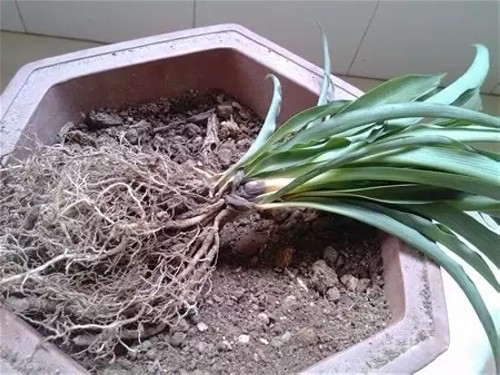
How do you deal with root rot in a spider plant? First, dig the spider plant out, cut off the rotten roots, and disinfect with a potassium permanganate solution. If you do not have potassium permanganate, carbendazim will also work. If you have neither on hand, just clean off the rotten roots thoroughly, then let it dry in a ventilated spot. Do not put it in the sun; drying it in a shady spot is enough, and then replant it in fresh soil. As for replanting, since spider plants are very easy plants to grow, if you happen to have pure sand on hand you can grow it in pure sand first. In my own testing, spider plants grown in pure sand root quickly!
1. Too much water
Cause:
Spider plants love water, but too much water is what they hate most. When watered too much, the roots sit for a long time in an oxygen-poor environment, and over time the root system turns black and rots.
Solution:
Reduce watering, give it more sun, improve ventilation, and let the moisture in the soil evaporate as quickly as possible. You can poke a few holes around the roots of the spider plant to increase aeration. If you have watered far too much, it is best to take the plant out of its pot and either let the soil dry or replace it with fresh soil.
If the problem is discovered too late and the root rot is severe, it is best to take the plant out of its pot, trim off the rotten roots, soak it for a while in a disinfecting solution, let it dry for 2~3 days, and then replant it in fresh soil.
2. Too much fertilizer
Cause:
The spider plant itself will show whether it is being over-fertilized. Frequent fertilizing or fertilizer that is too concentrated easily burns the roots.
Solution:
If the fertilizer concentration is too strong, water immediately and let the water run out from the bottom of the pot. Alternatively, take the plant out of its pot and replace the soil. Also check the roots for rot in time, trim the roots, disinfect them and let them recover.
3. Sticky soil
Cause:
If the soil is not changed for a long time, the soil becomes compacted. Soil that is too sticky is not good for root growth.
Solution:
Change the soil; this is the simplest and most direct method. If the soil compaction is not too severe, you can mix some perlite into the soil to ease it. If the compaction is fairly severe, just replace it with loose, fertile soil.
4. Root damage
Cause:
Root damage can happen in an instant. When you repot, one careless moment can scrape the outer layer or snap the root hairs, and nothing seems wrong at first. But in the soil environment, roots with wounds will slowly rot.
Solution:
Avoid damaging the roots as much as possible. When repotting or trimming roots, handle the plant gently.
Within 1~2 months after root damage, if the roots cannot recover they will gradually rot. After repotting, check how the spider plant is growing and deal with any abnormality promptly. If the roots have rotted away completely, the chances of regrowth are rather slim, but a timely transplant can still save it. Cut off the small plantlets on the stems and plant them directly in potting soil or water; once they have rooted, they can be planted!
5. Pests and diseases
Cause:
Pests and diseases are a problem many plants cannot avoid. When bacteria and fungi breed in the soil, or even root-knot nematodes appear, the first thing to suffer is of course the roots. The insects feed on the root system and then cause rot.
Solution:
If the root rot is mild, you can water the potting soil with a 400-500 times dilution of carbendazim solution to sterilize and disinfect it. Do this once a week for three weeks, and remove the yellow leaves. If the root rot is severe, dig the plant out, cut off the rotten roots, disinfect with a potassium permanganate solution, let it air-dry in a ventilated spot for about 1 day or 2, and replant.