What to Do About Root Rot in Hydroponic Anthuriums? Causes and Solutions
The key to growing Anthurium in water is ensuring healthy root growth. Anthuriums have aerial roots and need plenty of oxygen, but the oxygen in water is far less than in soil, and many factors can cause root rot. Below, we introduce ways to prevent root rot in hydroponic Anthuriums!
Hydroponic plants often grow less vigorously than soil-grown ones. If the amount of water in the container is not managed well, if the water is too full, if the water is not changed often enough, the oxygen content in the water is low; if there is too little water, the roots lack water and growth is slow. All these factors can lead to root rot. So the key to hydroponics is water! Here are measures to prevent root rot in hydroponic Anthuriums:
1. Environmental control
Hydroponic Anthuriums grow almost completely exposed to the environment, so controlling their surroundings is especially important. Place the plant in a spot with diffused light; control the temperature, which must not exceed 28°C in summer and must not fall below 14°C in winter; raise the ambient humidity appropriately, keeping indoor relative humidity above 80%, and increase humidity by misting.
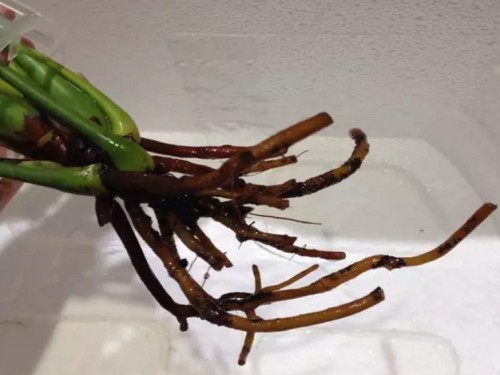
When changing the water, check the Anthurium's root growth regularly. If root rot appears, cut it off immediately; if the stem is also rotting, cut that off too. Soak the treated roots in a 1000-fold potassium permanganate solution for 30 minutes to disinfect, then transfer to fresh clean water. Be careful not to add nutrient solution to the water, and change the water once every 1-2 days. Once new roots grow, return to normal care.
2. Oxygenation measures
Lack of oxygen in the water is the main cause of root rot, so the dissolved oxygen content of the water should be increased in good time. The best way to oxygenate water is to make it flow. You can hold the plant with one hand and swirl the vase with the other; swirling for 1 minute can increase the dissolved oxygen content of the water by 30%; you can also add a little hydrogen peroxide to the water; or first take out the Anthurium and use an aquarium oxygen pump to "re-oxygenate" the water.
3. Change the water regularly
Changing the water regularly promptly removes the mucus secreted by the plant roots, leftover nutrients and algae growth, keeping the water clean. The interval between water changes varies with the season: generally every 5-7 days in spring and autumn, every 7-10 days in winter, and every 2-3 days in summer when temperatures are high. Between water changes, top up with an appropriate amount of water according to how much is left in the container.
Be careful not to fill the water too full when changing it; let at least 1/2 of the Anthurium's roots be exposed above the water, so that the exposed part can absorb enough oxygen.
Our suggestions:
Root rot in hydroponic Anthuriums is mostly caused by not changing the water often enough, or by the water not being clean enough. Especially in the hot, stuffy weather of summer, it is best to change the water once a week. When changing the water, pour out all the old water, wipe the container clean, then cut off the plant's rotten roots, wash the roots and put them back in the container.
Do not put too much water in the container; one third of the container is enough. We suggest you first cut off the rotten roots, then change the water frequently; with proper care, new roots will grow.